What We Do Not Say
Reading Societies When Words and Actions Diverge
How can we understand people when speech does not equal action, behavior does not reveal motive, and some people never enter the measurement?
A method that treats every source as a limited mirror and turns contradiction and absence into better questions rather than faster judgments.
An invitation to readAn invitation to read
The book starts with a smiling-face tap after a digital transaction, then asks who never reached the rating screen. The number may be entirely correct for respondents while remaining blind to those who struggled, abandoned the process, or were absent. Before a measurement tool produces a number, it has already drawn the boundary of reality it can see.
The argument does not replace one simplification with another. Surveys are not lies, and observed behavior is not complete truth. An answer may express identity, intention, or approximate memory; a search may express anxiety; a purchase may reflect constraint; an administrative record reflects an institutional definition. When mirrors disagree, the task is to ask what each measured and what produced the gap.
The journey expands from wording and the cost of candor to perceived norms and missing populations, then to the moment a measure changes behavior because it becomes a target. It tests these problems in money, work, education, family, and services in Arab contexts. Its purpose is not distrust of people, but humility about knowing them and discipline in matching evidence to a decision.
Concept laboratory
The measurement mirror
Each source reflects one aspect of a person through a channel, definition, and context; it is not the person.
The cost of candor
Answer adjustment varies with the social or personal price of disclosure, not sensitivity alone.
Mirror matrix
An illustrative table records what each source sees, who is missing, and which claims it can support.
Illustrative model · invented inputs, not evidence or a prediction.The politics of measurement design
Denominators, start points, and completion rules decide which people appear in a report, even without declared political intent.
A thought you can test
Illustrative model · invented inputs, not evidence or a prediction.
Who is inside the percentage?
60 of 80 respondents agree. There are 200 people in the illustrative population. Reveal those who did not answer. Each mark represents two people.
We cannot infer what the 120 missing people believe. Their absence changes what the evidence can support; it does not reveal their answers.
- Respondents only — 75% of respondents agree.
- Whole population — Only 30% of the whole population is known to agree.
- Known agreement — The whole-population agreement could be between 30% and 90%.
- Unknown views — That interval is a logical bound, not a confidence interval or an estimate.
Anatomy of the argument
An analytical reading of the supplied brief. These stages are not manuscript chapter titles.
- 01
Speech as a social act
Separate identity, intention, memory, wording, interviewer identity, and the setting in which an answer is made.
- 02
Partial mirrors, not one truth
Compare surveys, search, purchase, use, public posting, and records by what each sees and misses.
- 03
A society misreading itself
Distinguish private opinion from beliefs about others and examine perceived norms as an independent influence on behavior.
- 04
Who remains outside the frame
Treat nonresponse, abandonment, digital exclusion, and administrative absence as potentially related to the phenomenon itself.
- 05
When a measure changes its object
Analyze how incentives, denominators, and completion rules reshape behavior and the result leadership receives.
- 06
A decision proportionate to the claim
Match evidence to question, decision scale, and reversibility instead of waiting for impossible completeness.
Visual library
Original conceptual studies. Covers are proposals; captions are editorial writing, not manuscript quotations.
What We Do Not Say
How can we understand people when speech does not equal action, behavior does not reveal motive, and some people never enter the measurement?
Download SVG study ↓
A method that treats every source as a limited mirror and turns contradiction and absence into better questions rather than faster judgments.
Download SVG study · 2:1 ↓
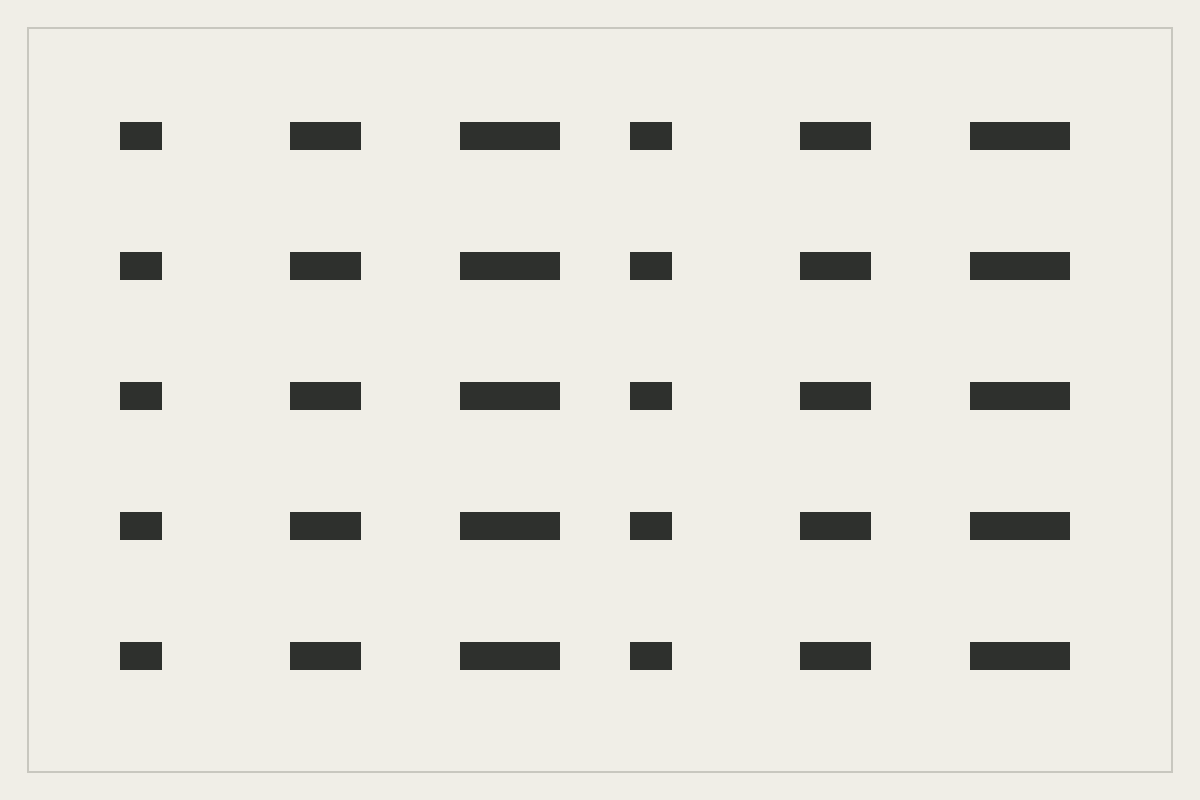
What entered the count
The study shows only the marks captured by the instrument. A precise account of respondents does not automatically make them a complete picture of everyone the question concerns.
Download SVG study ↓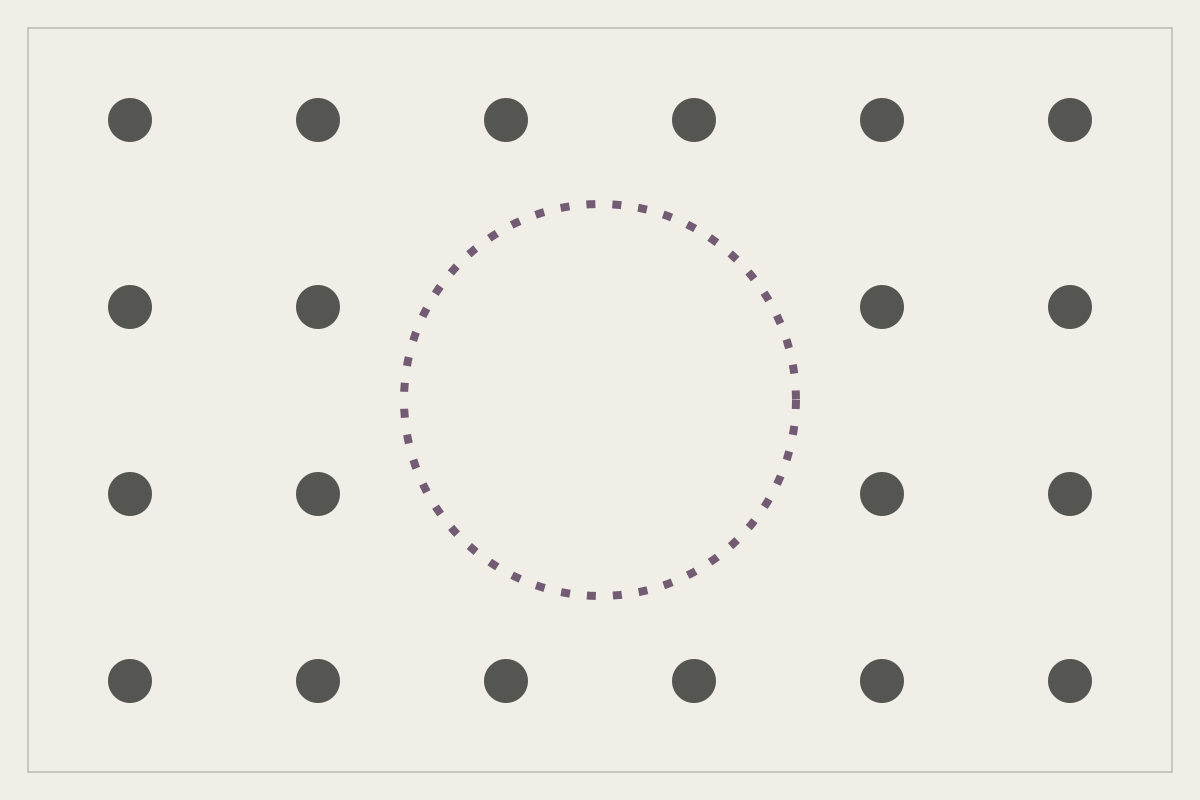
The boundary of nonresponse
Absence remains a gap in the evidence, not a position to be filled by guesswork. Knowing how many people did not answer defines a limit without revealing their views.
Download SVG study ↓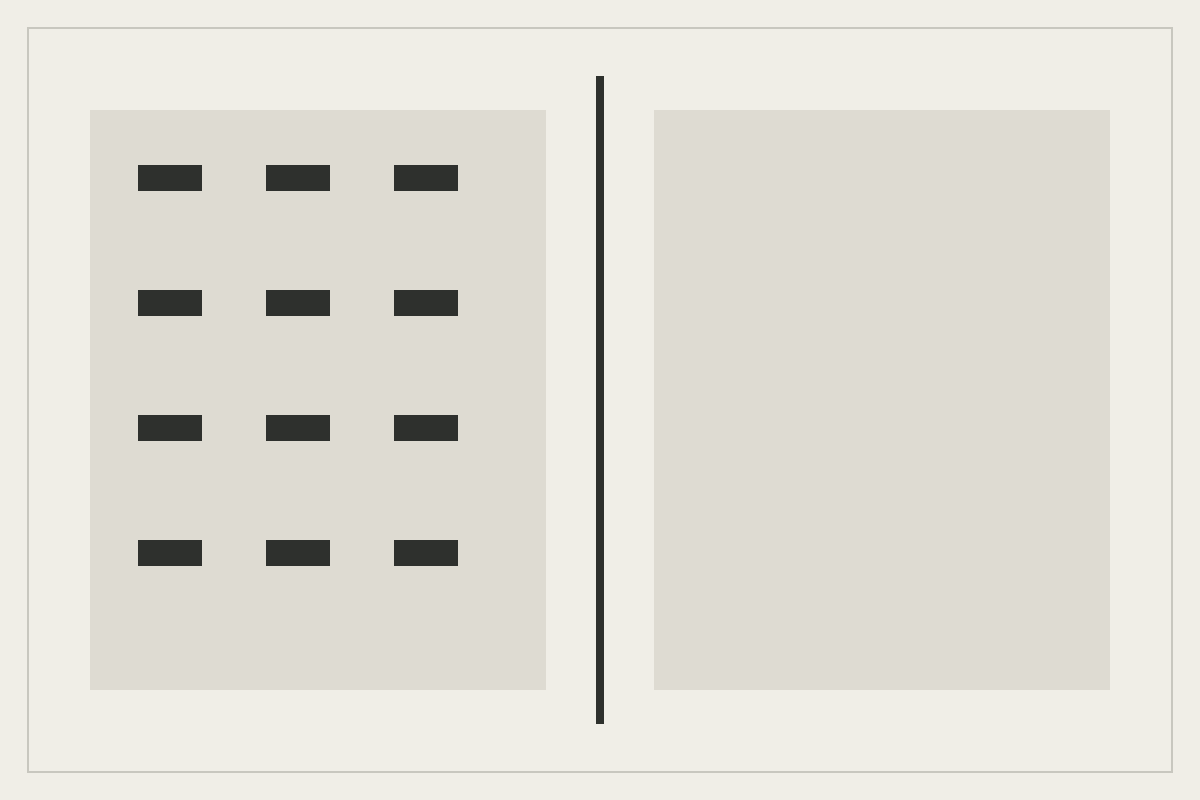
Refusal is distinct from missingness
A refusal tells us that an answer was withheld; a missing record may not tell us why it is absent. Combining the two erases an important difference in what is known.
Download SVG study ↓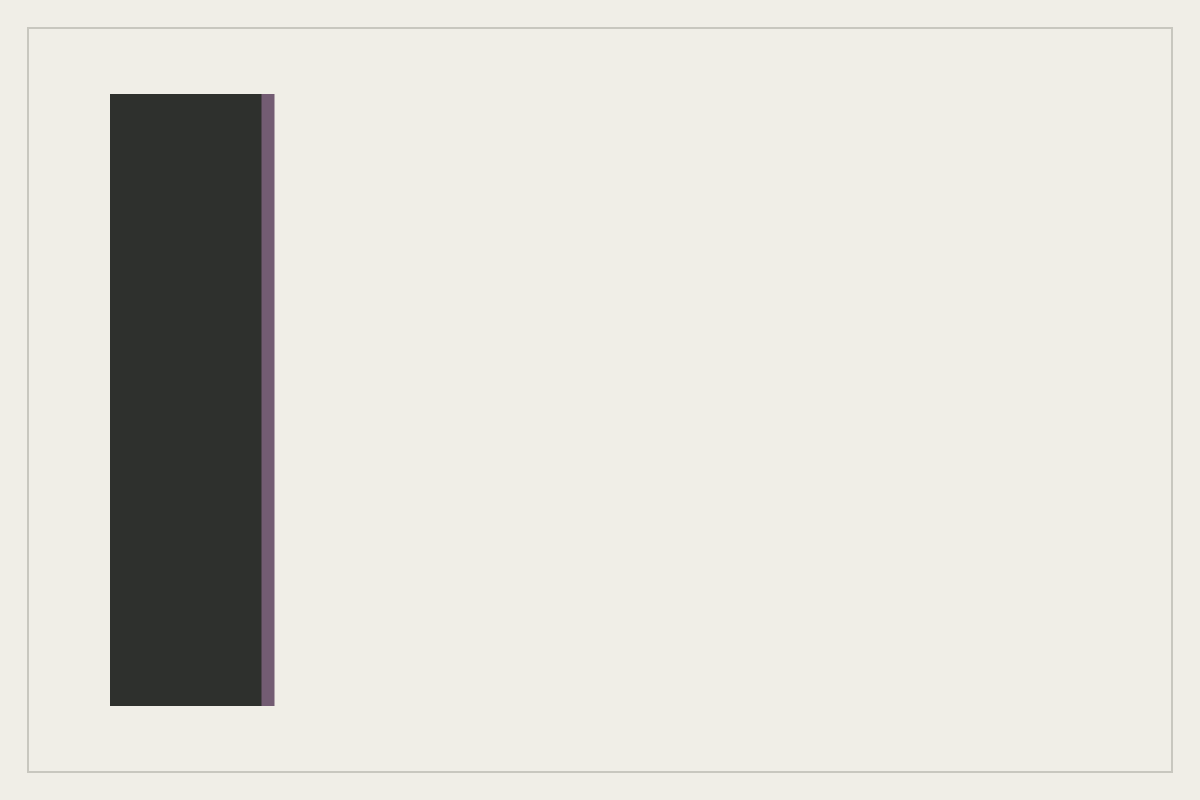
The edge of the sample
Every sample draws a boundary between those reached and those outside its frame. The boundary may disappear from the result, but it still determines which population can be described.
Download SVG study ↓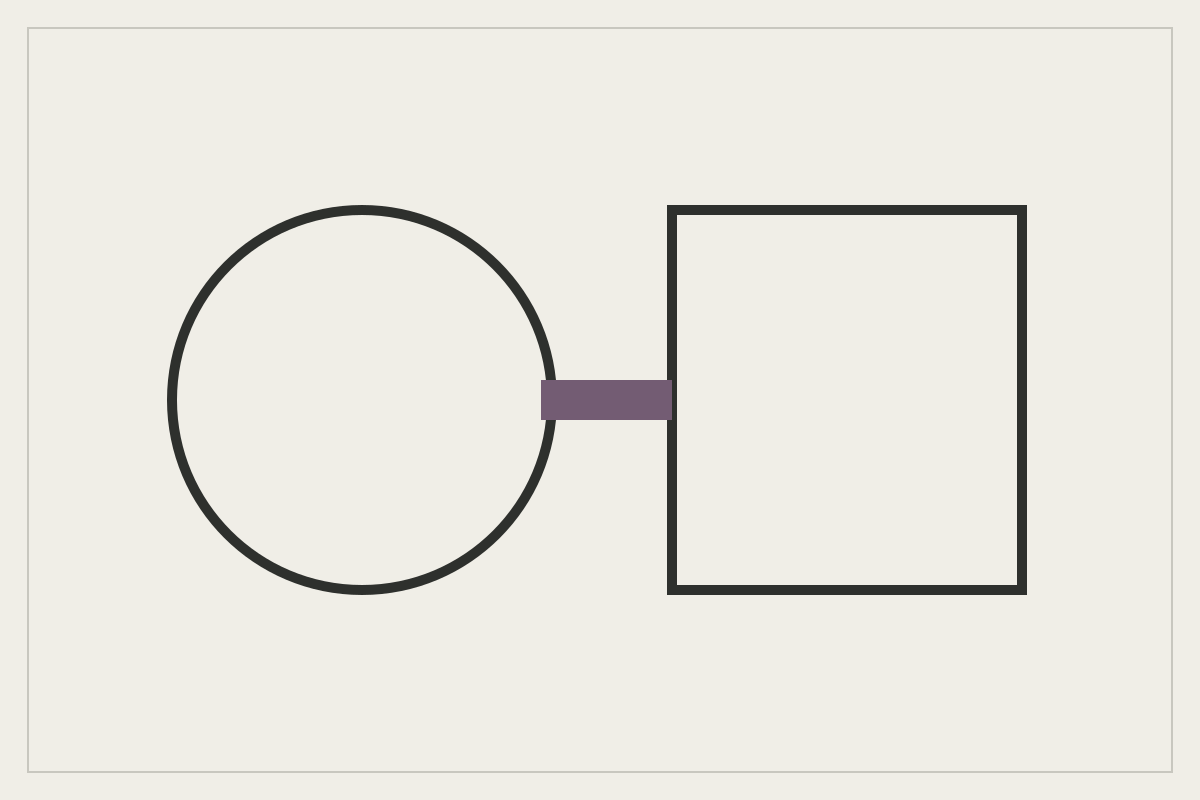
The question shapes what appears
Wording, order, and the interviewer can affect the recorded answer. A response mark therefore cannot be separated completely from the situation in which it was measured.
Download SVG study ↓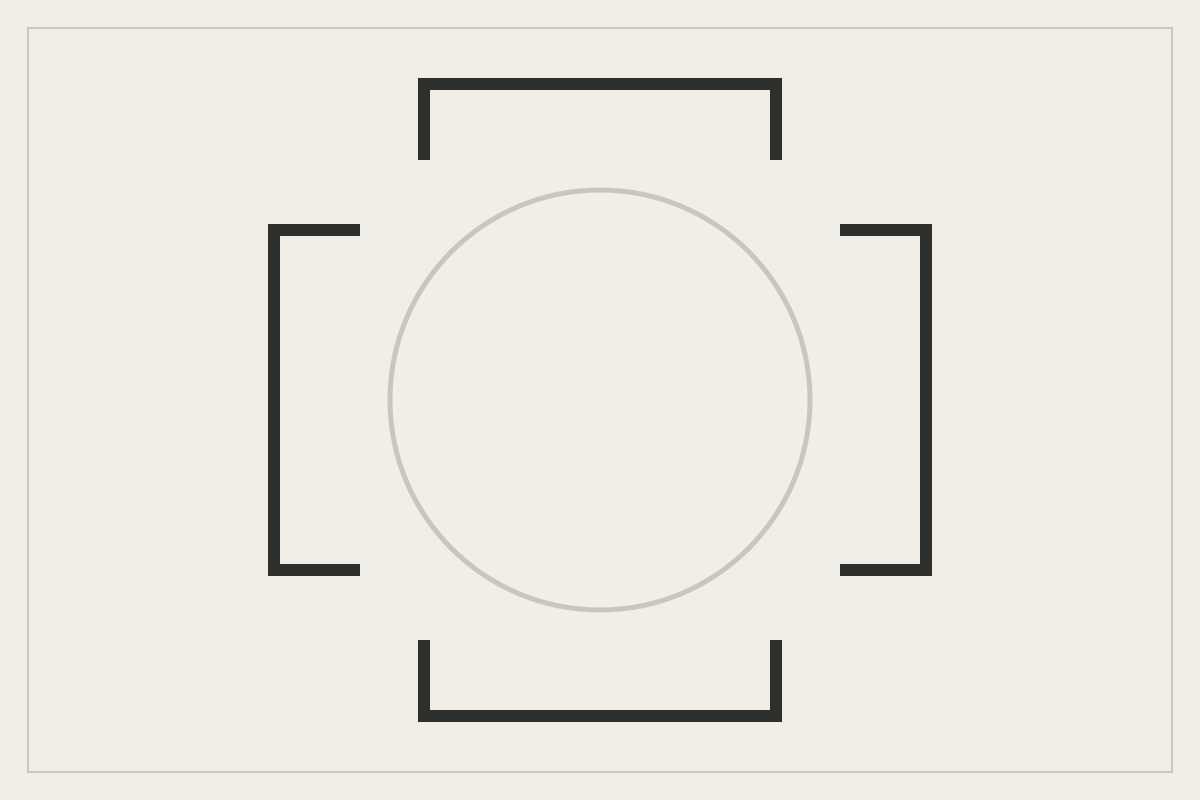
A safe statement of what remains unknown
We can state what the instrument recorded, who was absent, and what the evidence cannot support. That restraint preserves the value of measurement while refusing to turn silence into an attributed opinion.
Download SVG study ↓Six small arguments
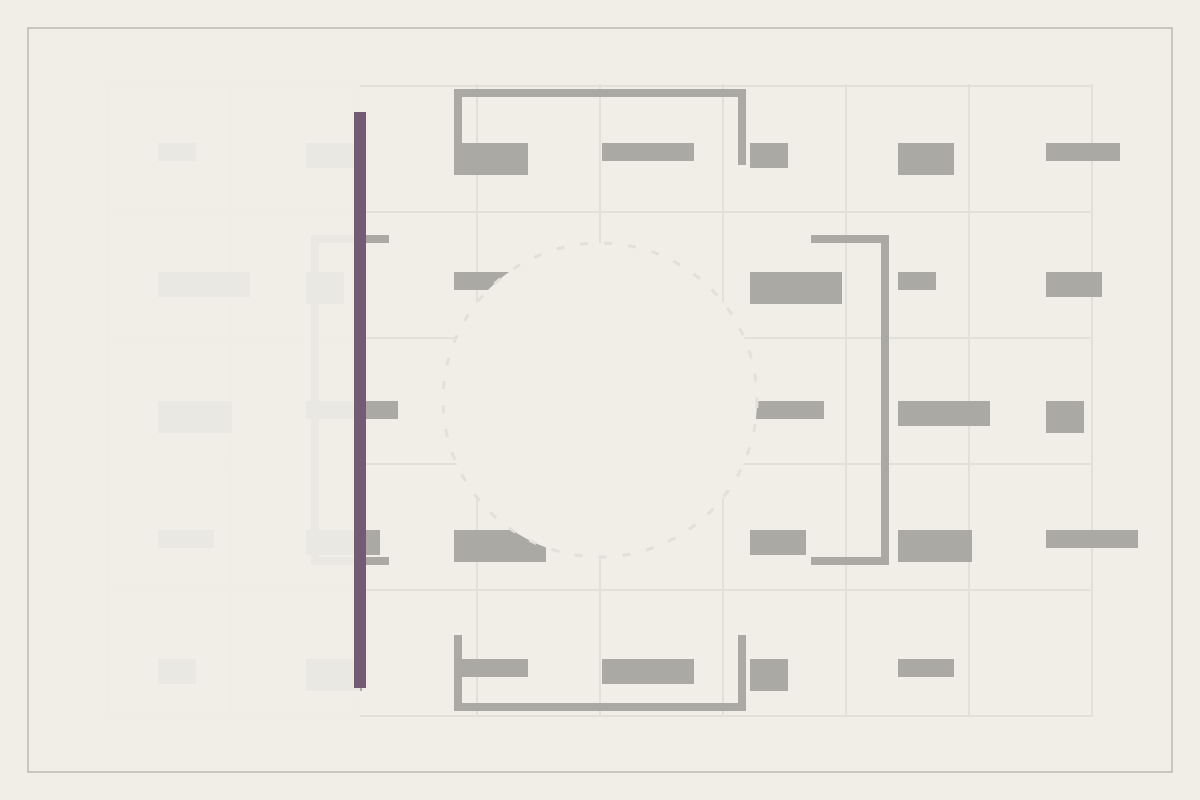
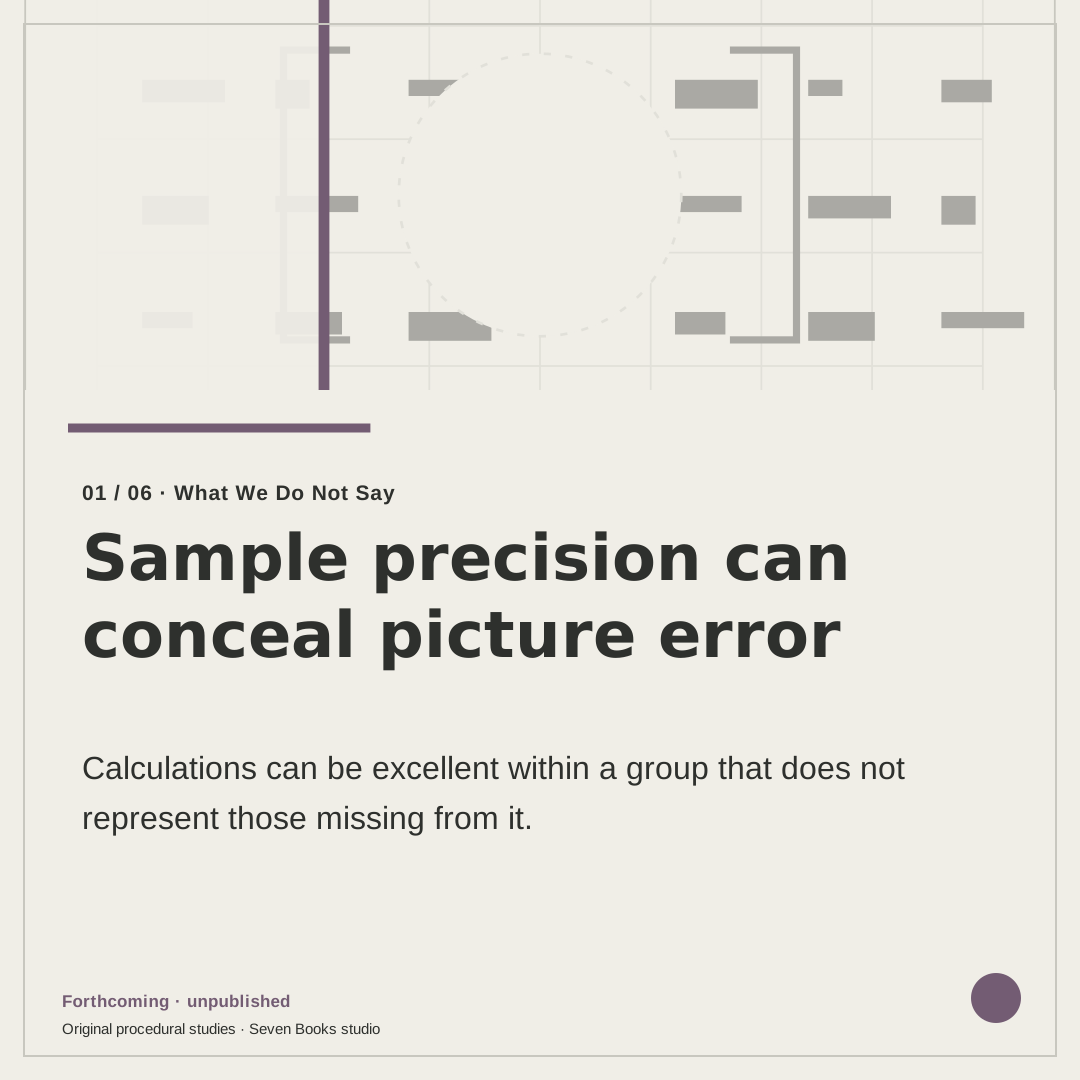
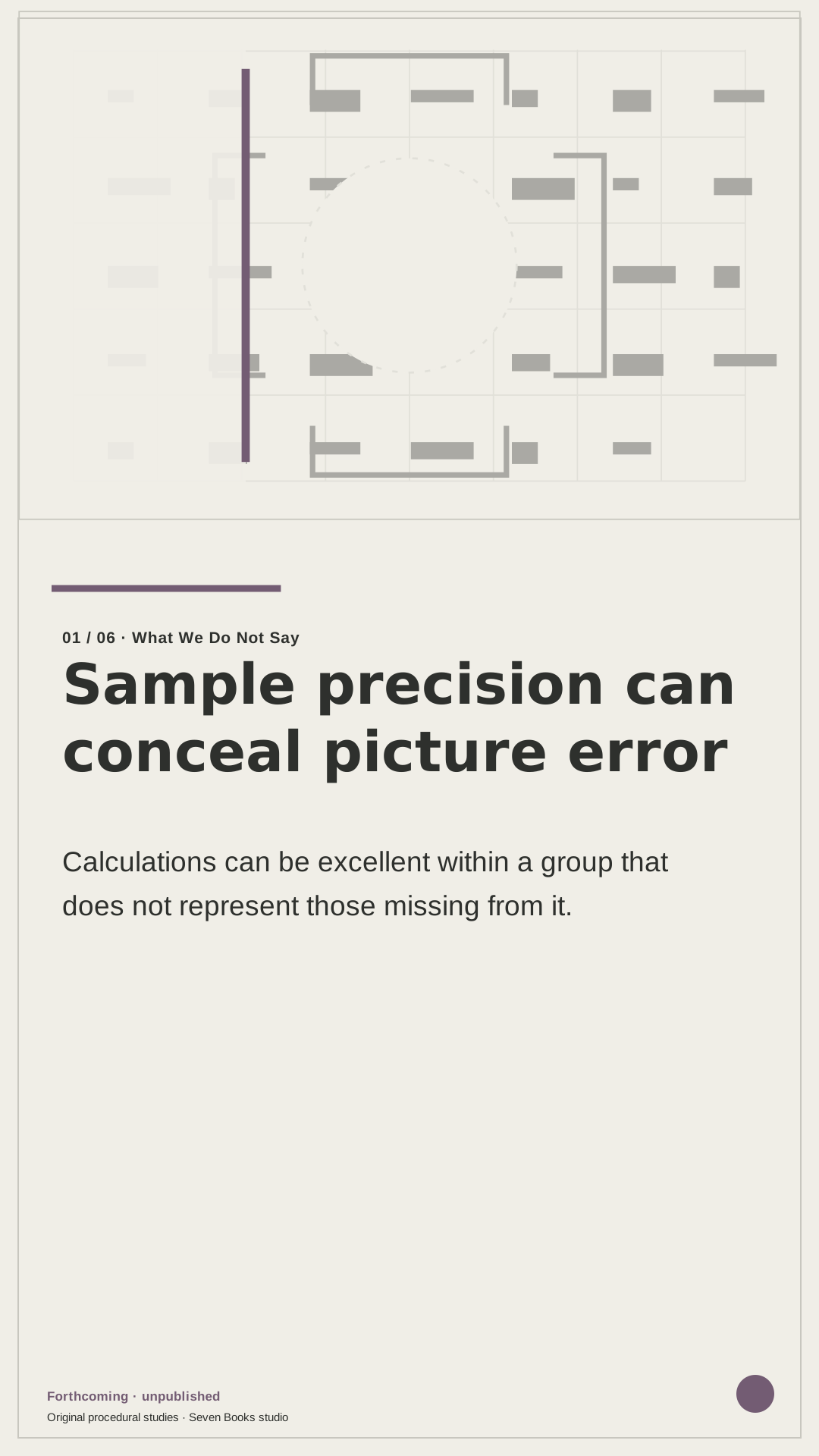
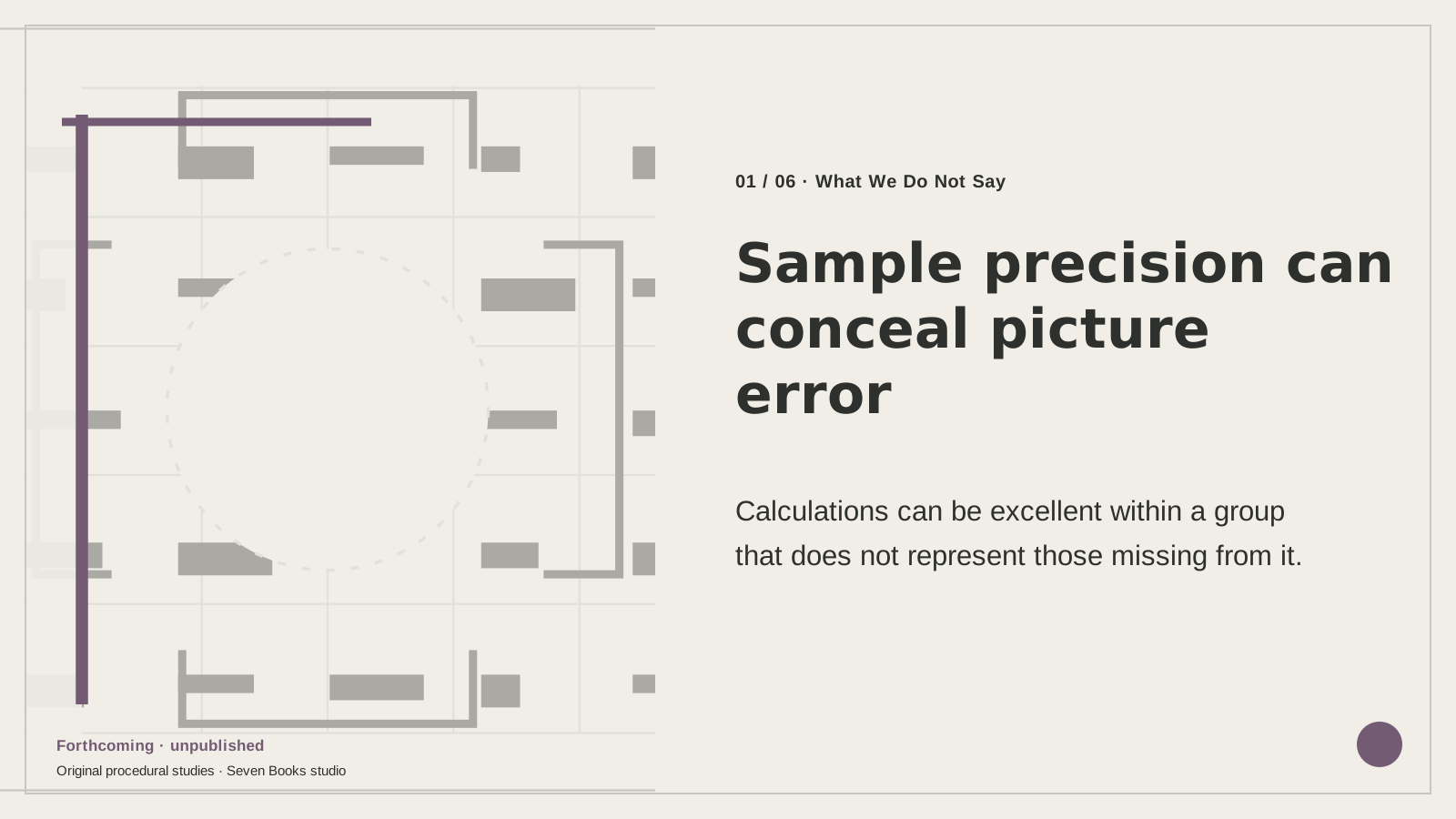
Sample precision can conceal picture error
Calculations can be excellent within a group that does not represent those missing from it.
Download SVG study ↓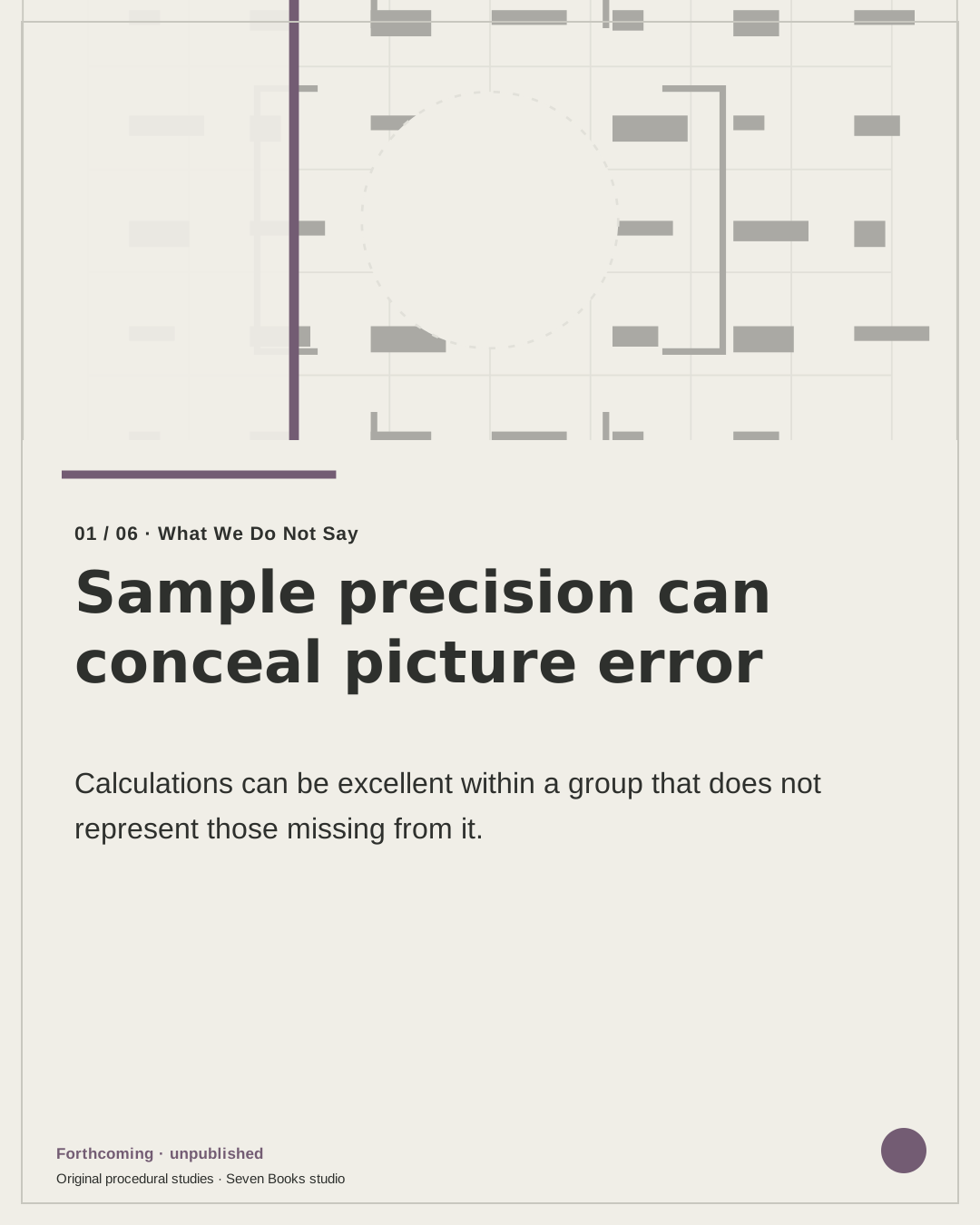
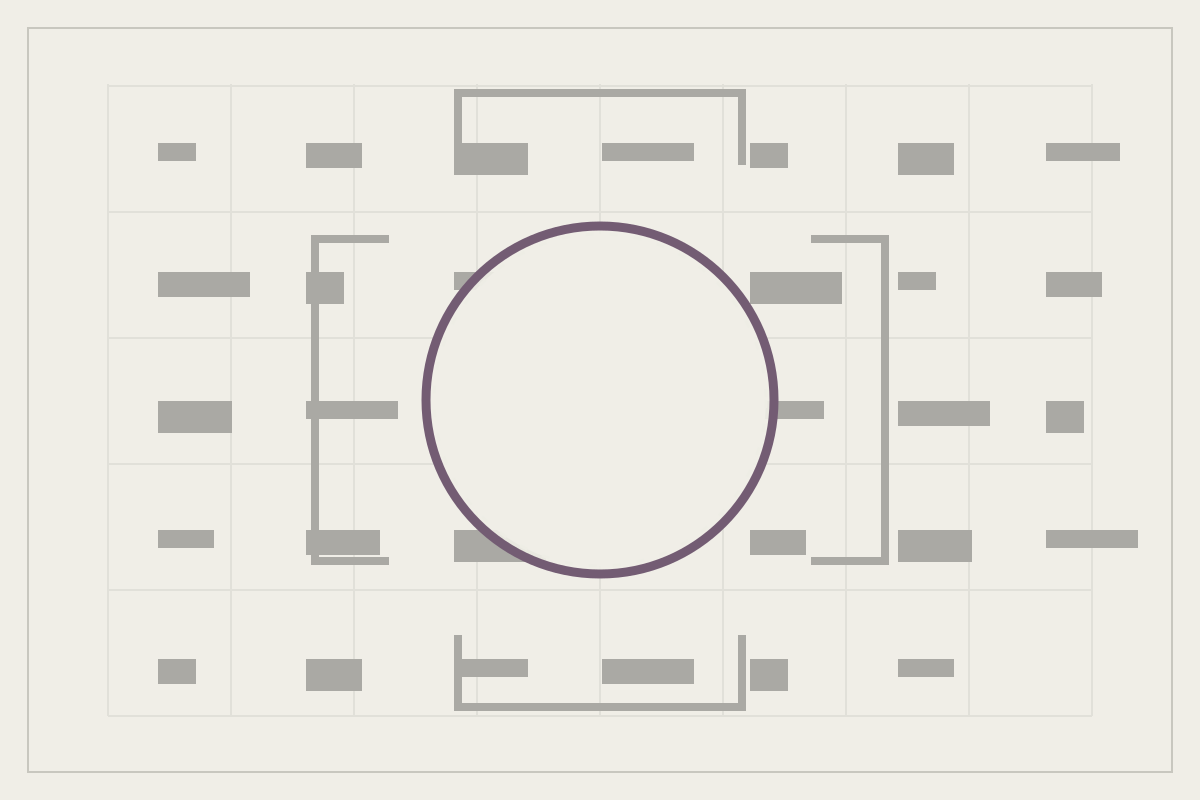
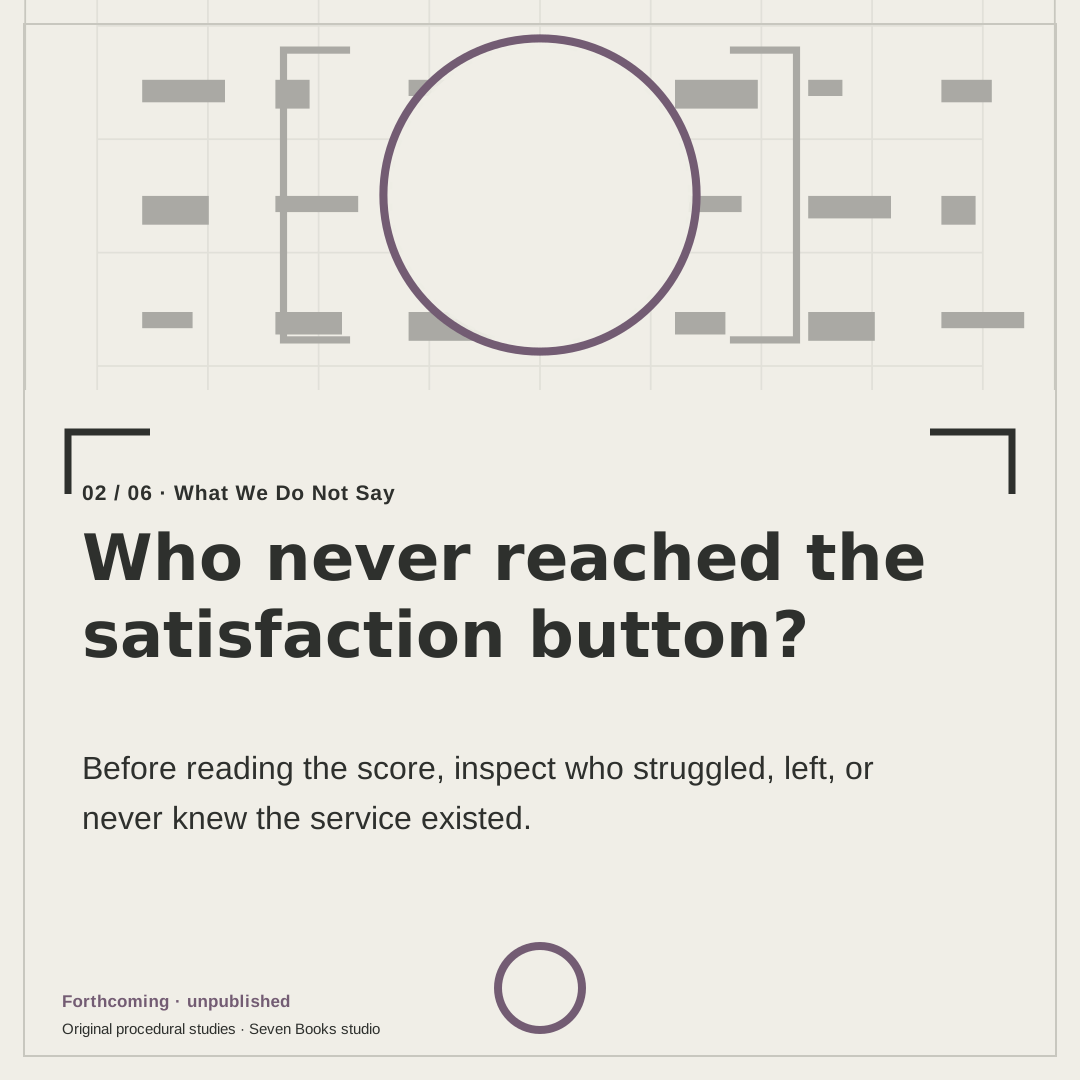
Who never reached the satisfaction button?
Before reading the score, inspect who struggled, left, or never knew the service existed.
Download SVG study ↓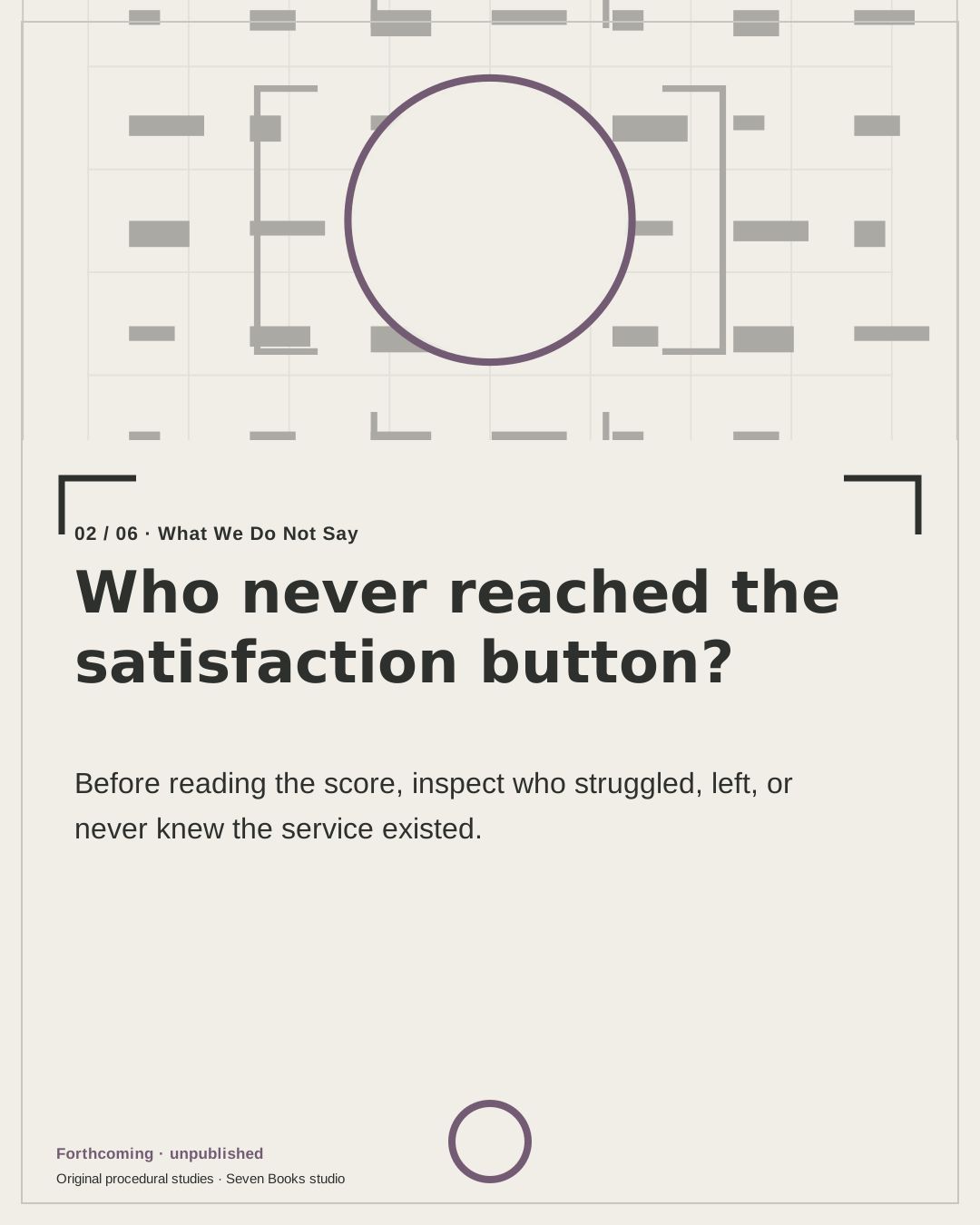
An intention is not a deferred lie
A person may state a sincere plan and later meet cost or friction; divergence alone does not prove deception.
Download SVG study ↓
Private opinion and beliefs about others
A 2017 Saudi study shows how perceived norms can differ from private views and influence behavior.
Download SVG study ↓
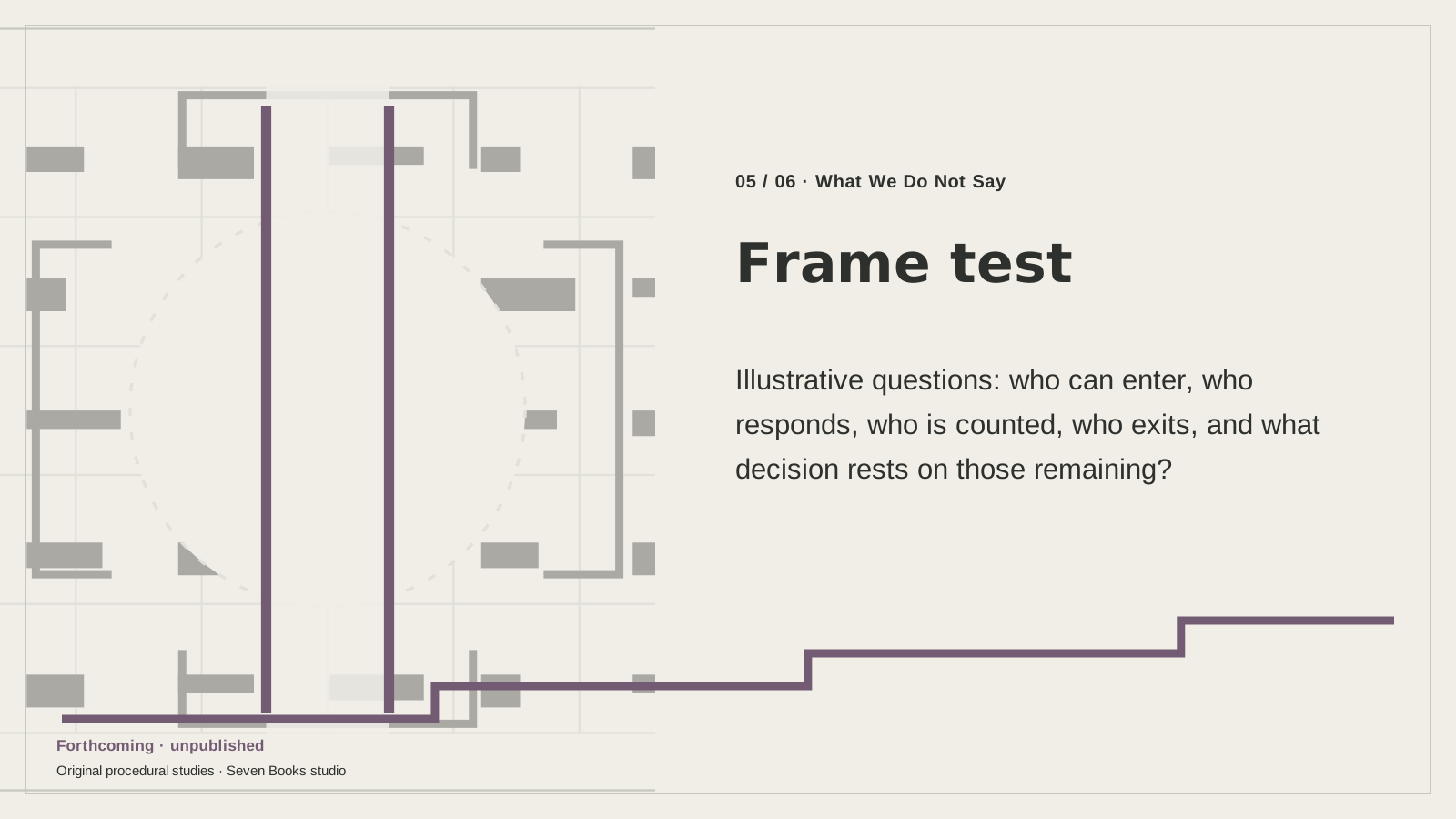
Frame test
Illustrative questions: who can enter, who responds, who is counted, who exits, and what decision rests on those remaining?
Download SVG study ↓
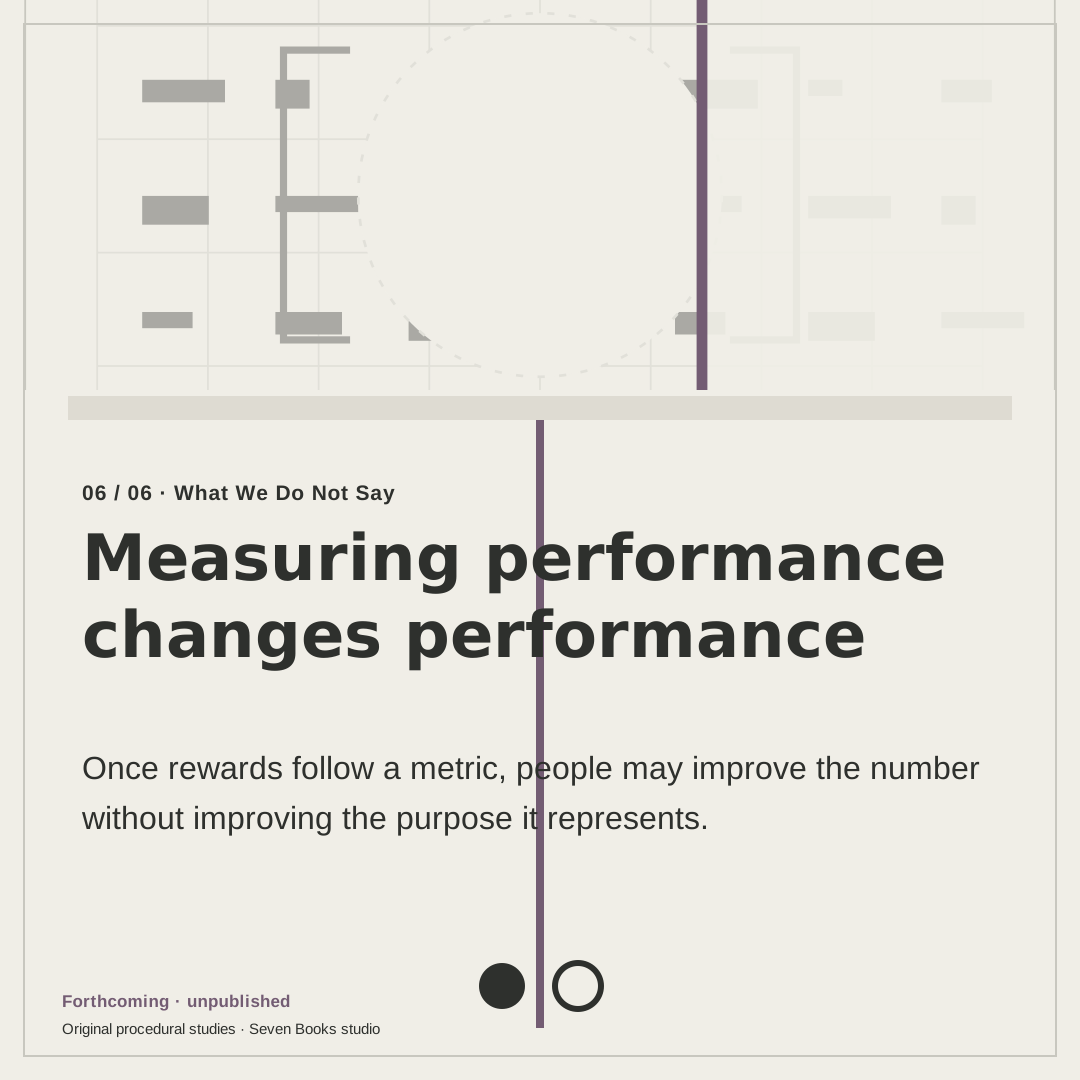
Measuring performance changes performance
Once rewards follow a metric, people may improve the number without improving the purpose it represents.
Download SVG study ↓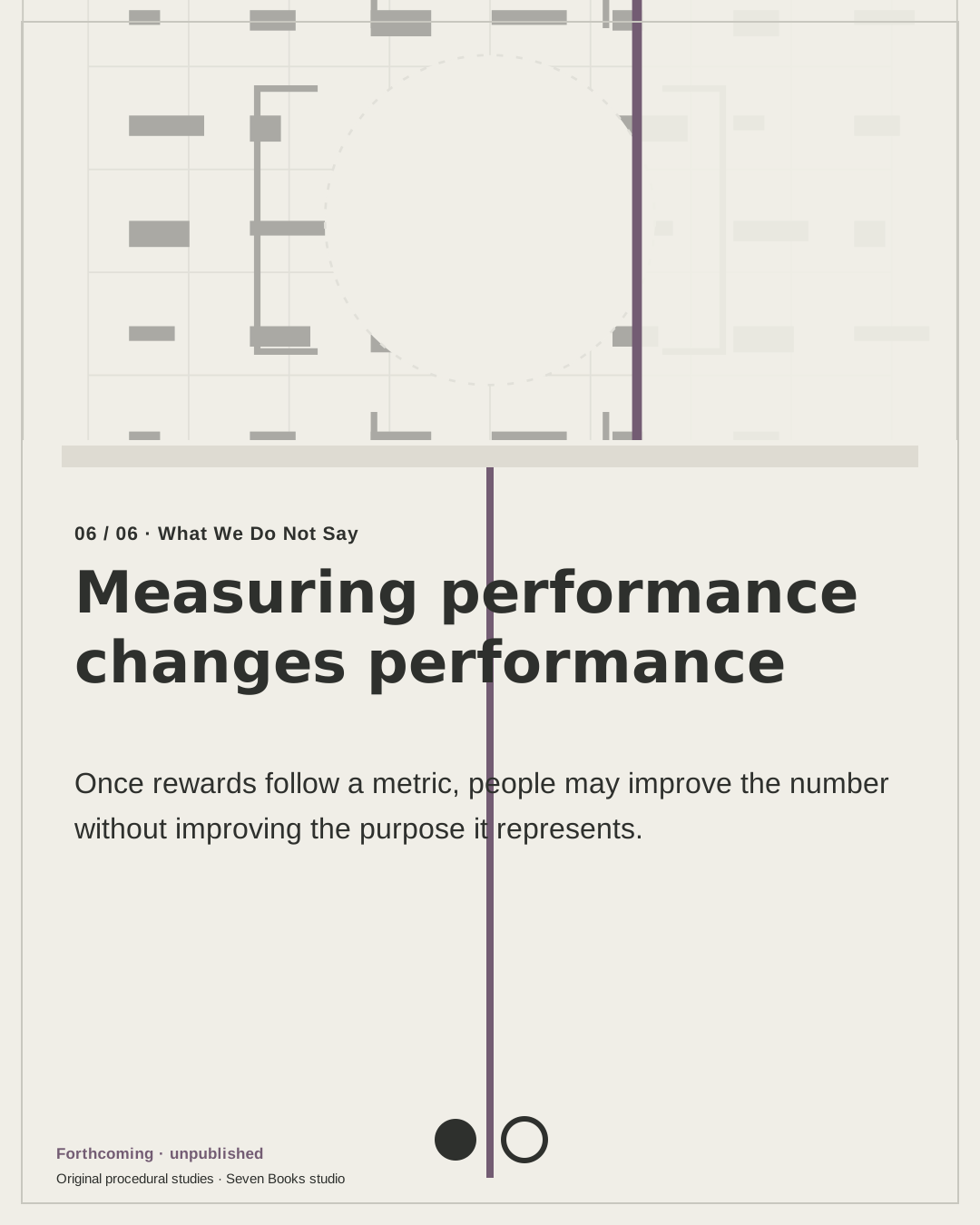
Original procedural studies · Seven Books studio · Project-original procedural geometry
Continue the question
Beyond Digital Transformation
How does an institution change when producing knowledge becomes cheaper while verification costs and decision responsibility remain?
05Hinges of Power
Does power lie in owning a resource, or in moving, stopping, and restoring it while a decision still matters?
07The Compass of Reality
How can a decision maker distinguish the reality they need to understand from the picture their measurement tools permit them to see?
JournalData Frames the Decision; It Does Not Make It
Measurements can improve attention while leaving context, values, and responsibility for a decision unresolved.
When the work becomes available
Choose the books you want to hear about. A confirmation email verifies your address before any release notice is sent.
Publication notifications are not open yet. No address is collected here.
Privacy and consent ↗