Hinges of Power
The Future of Power in the Digital Economy
Does power lie in owning a resource, or in moving, stopping, and restoring it while a decision still matters?
An alternative map of power built from dependencies, operating rights, substitution time, and alternatives—not asset size alone.
An invitation to readA thought you can test
Illustrative model · invented inputs, not evidence or a prediction.
A large system, a small permission
Remove one dependency. Watch the kind of capability change.
This is a deliberately simplified scenario. Substitutes, contracts, time and bargaining power determine real dependencies.
- All dependencies present — The model can operate within its stated conditions.
- License withdrawn — The asset remains, but authorized operation is constrained.
- Power disconnected — Ownership remains while operation stops.
- Unique component unavailable — Some functions become unavailable until the component can be replaced.
An invitation to read
The book begins with the gap between ownership and usable capability. A ship can exist yet remain unable to sail; a data center can be equipped yet unable to operate; data can stay within national borders while decisions derived from it rely on an external service. Between asset and action sit comparatively small hinges that can change the state of a much larger system.
A hinge is more than a scarce resource or weak point. It is a position in a dependency chain where potential becomes action, governed by permissions, rights, and different clocks. The book therefore replaces asset maps with maps of dependency, control, and time. Its strategic measure is time to substitute: how long would it take to bypass a lost resource or permission?
The lens is tested across AI, data, cyberspace, and economic flows, then from the positions of the state, firm, government agency, intelligence service, and defense sector. The goal is not complete independence, but informed freedom of movement: know which dependencies are tolerable, which capacities must be built, and who can start, revoke, isolate, or restore a system as conditions change.
Concept laboratory
The hinge
A dependency point on which a system’s movement relies, allowing control of a small resource to shape a much larger whole.
Time to substitute
A dependency bypassed in hours is strategically different from one requiring years of rebuilding and qualification.
Layers of sovereignty
An illustrative model separates asset ownership, operational sovereignty, and decision sovereignty.
Illustrative model · invented inputs, not evidence or a prediction.Final control
Operation without a stop right is incomplete control; stopping without a path to recovery may not preserve power.
Anatomy of the argument
An analytical reading of the supplied brief. These stages are not manuscript chapter titles.
- 01
Seeing the hinges
Move from counting resources to finding permission gates, timing bottlenecks, and points that convert assets into capability.
- 02
Sovereignty across the AI stack
Disaggregate chips, energy, tools, rights, data, and agents rather than reducing sovereignty to a model or data center.
- 03
Data sovereignty as responsibility
Trace provenance, definition, use, transformation, jurisdiction, and derived decisions beyond storage location.
- 04
Shared cyber fate
Read failure domains, blast radius, cascade distance, and recovery as strategic properties of interdependence.
- 05
The material flow of the economy
Return energy, insurance, ports, payments, and time to an economy that looks digital but never leaves geography.
- 06
The final control question
Ask who can start, stop, revoke, isolate, and restore at each distinct site of decision.
Visual library
Original conceptual studies. Covers are proposals; captions are editorial writing, not manuscript quotations.
Hinges of Power
Does power lie in owning a resource, or in moving, stopping, and restoring it while a decision still matters?
Download SVG study ↓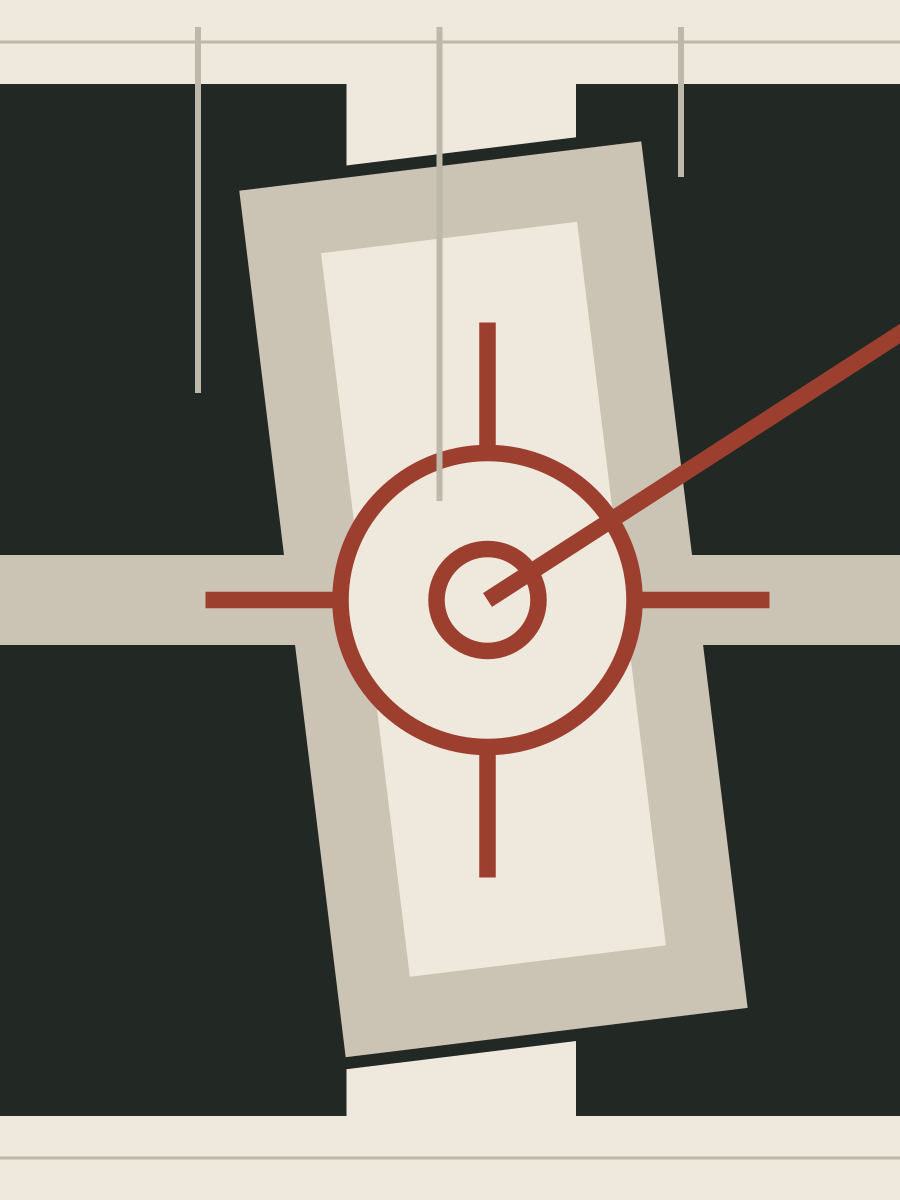
An alternative map of power built from dependencies, operating rights, substitution time, and alternatives—not asset size alone.
Download SVG study · 2:1 ↓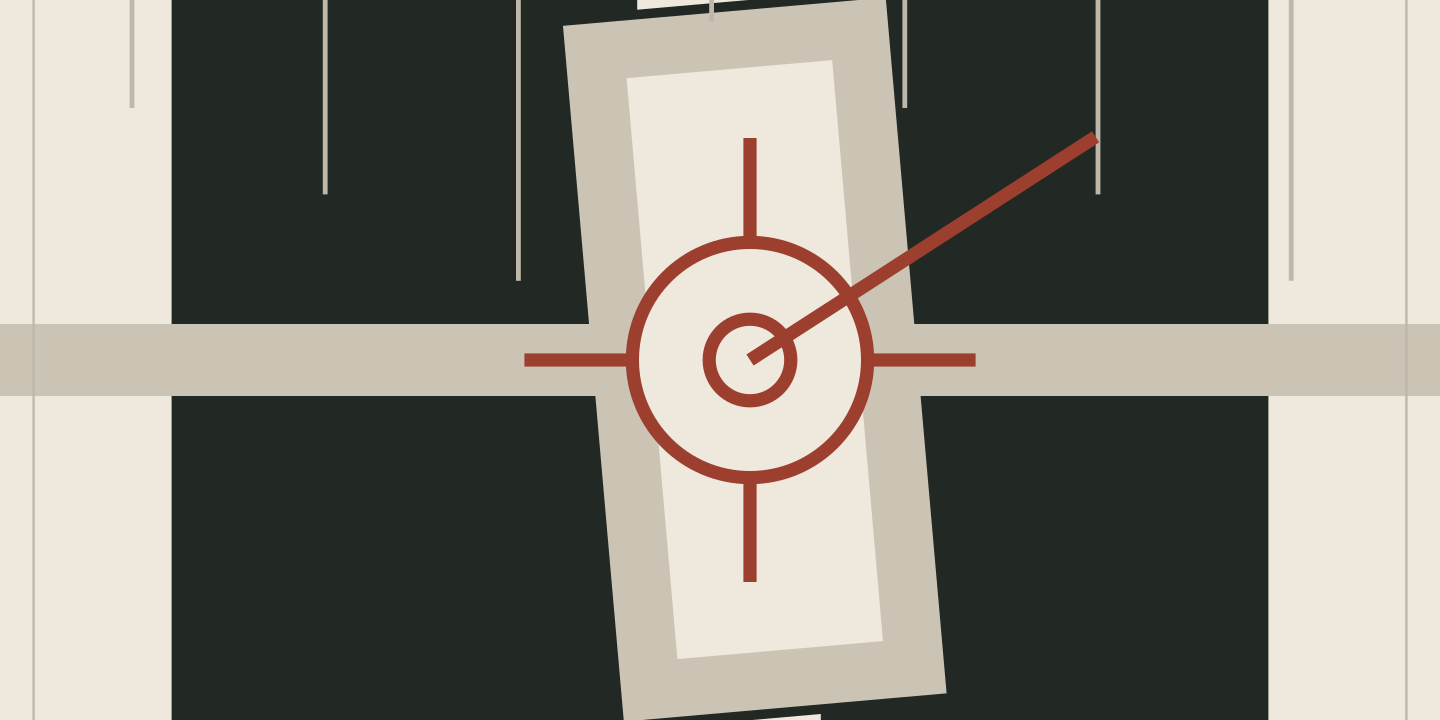

The license point
An asset may remain present while a small right in another layer prevents its authorized operation. The study separates owning something from holding the conditions required to use it.
Download SVG study ↓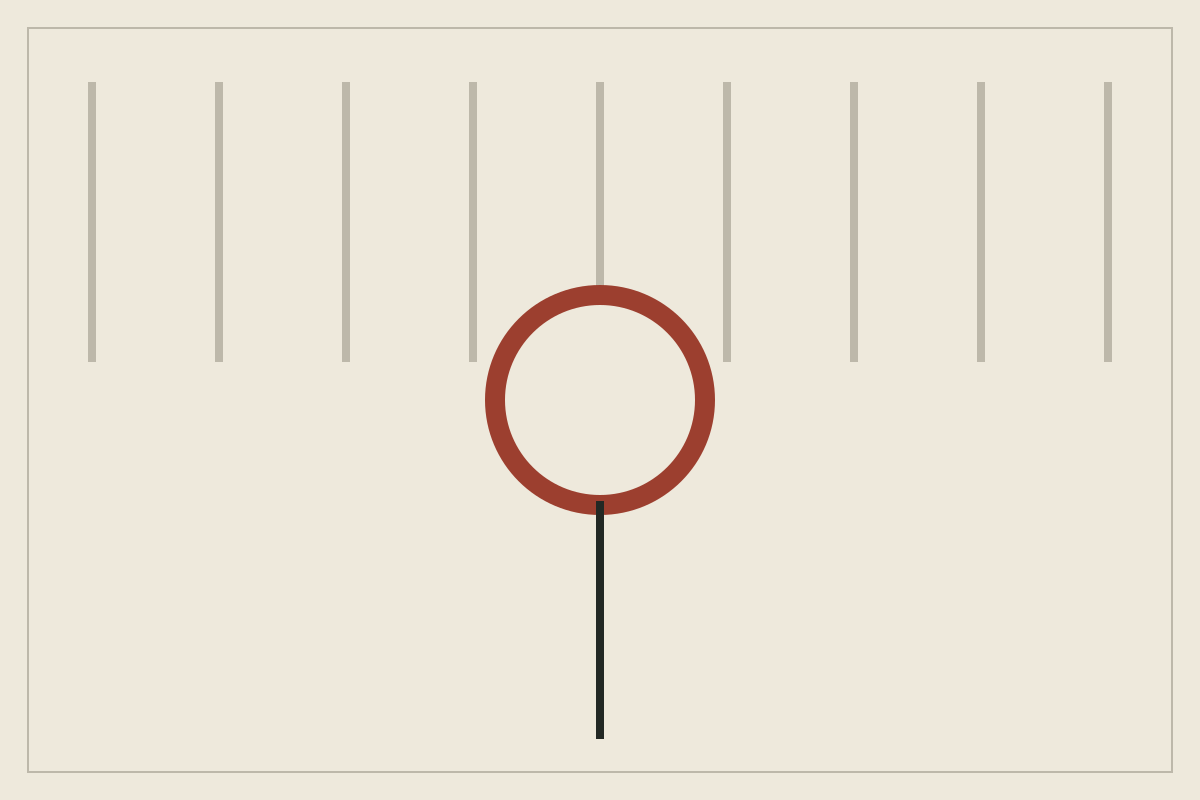
Energy as an operating dependency
Computing or infrastructure cannot become usable capacity without the required energy. Ownership does not remove this dependence; the time needed to restore it becomes part of the decision.
Download SVG study ↓
A gate that permits or prevents action
An identity, permission, or approval can decide whether a large system moves from rest into operation. The physical size of the gate does not determine its institutional effect.
Download SVG study ↓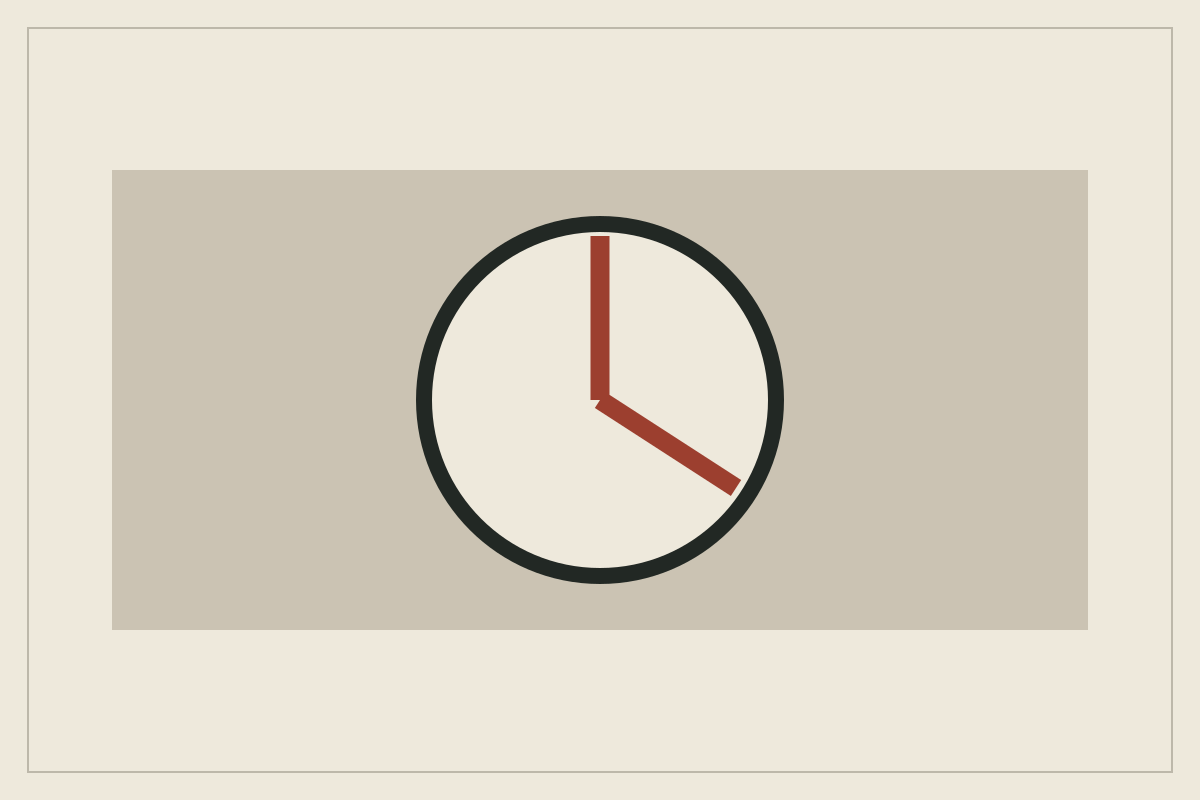
One point consumes the available time
The missing element may be neither an asset nor a resource, but a process or connection that cannot be completed while action remains useful. Delay then becomes a form of constraint.
Download SVG study ↓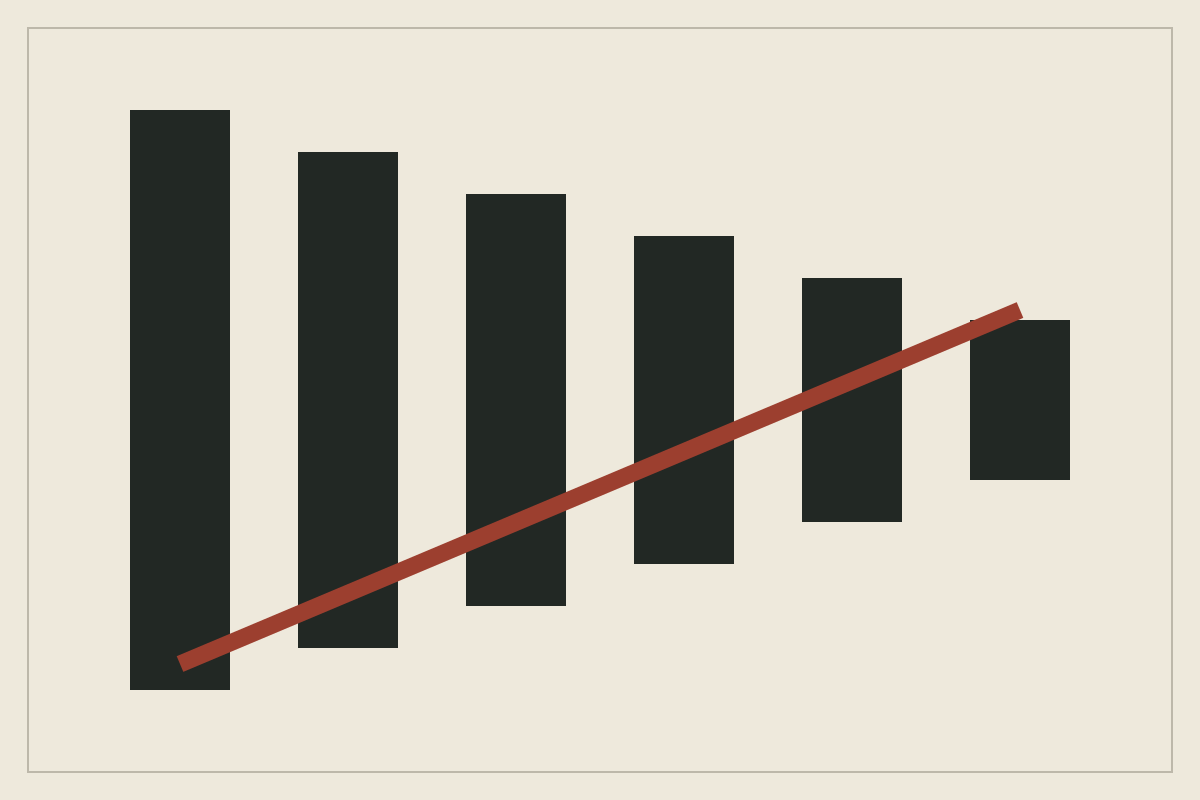
A large load on a small hinge
Several dependencies converge on one point capable of changing the state of the whole system. Concentrated load shows where alternatives and permissions should be examined instead of merely counting assets.
Download SVG study ↓
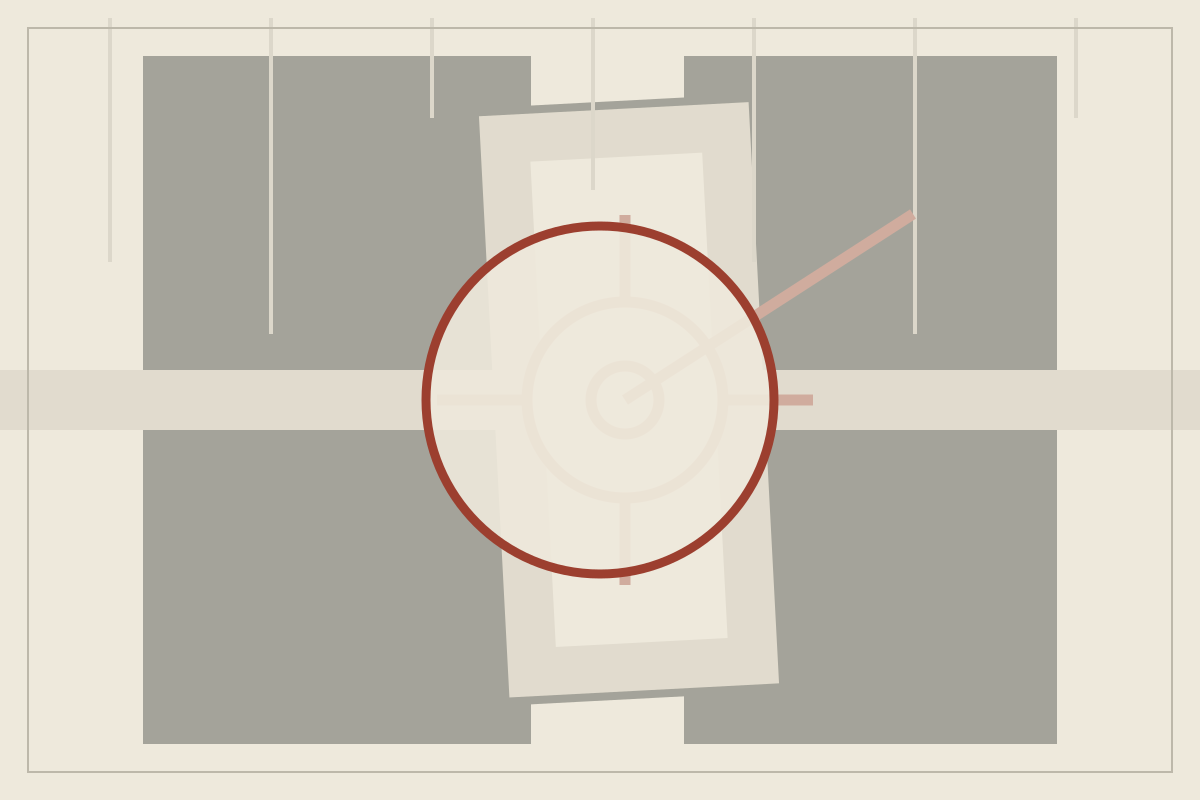
An alternate route around the hinge
An alternative reduces dependence only if it can operate within the required time and conditions. An option on paper is not the same as practical substitutability.
Download SVG study ↓Six small arguments
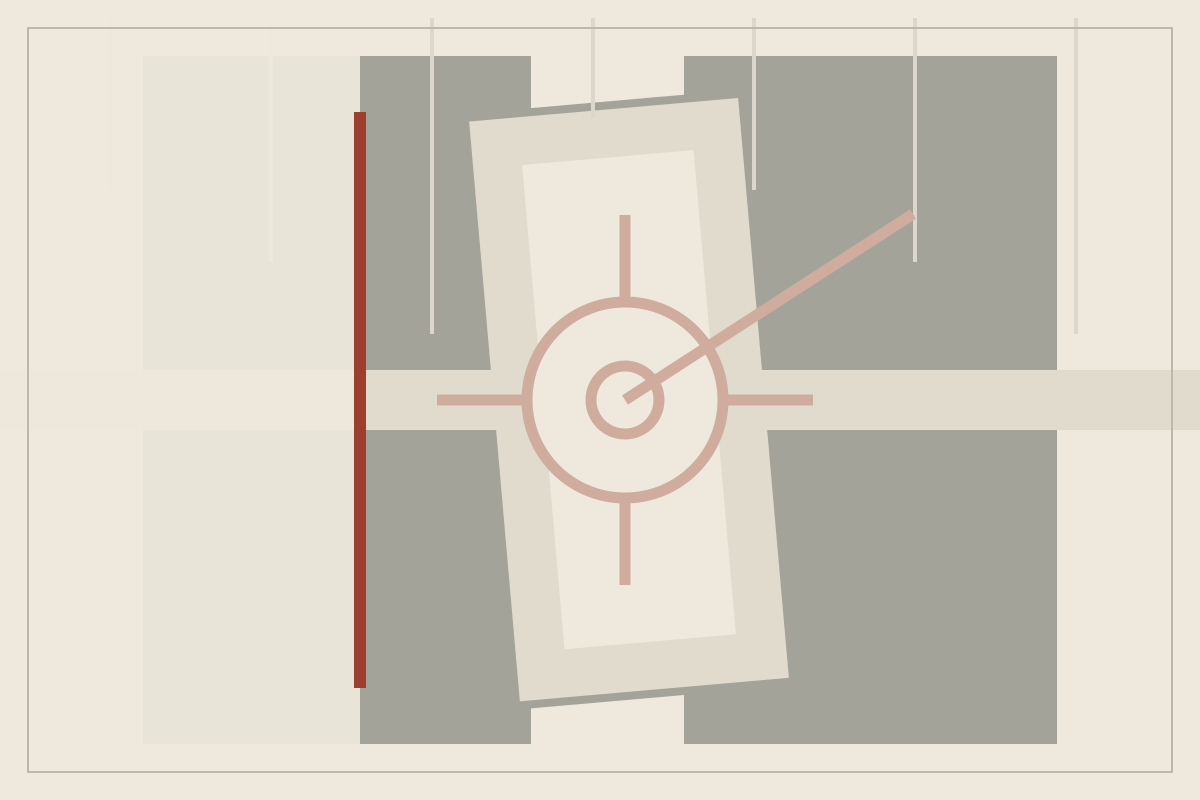
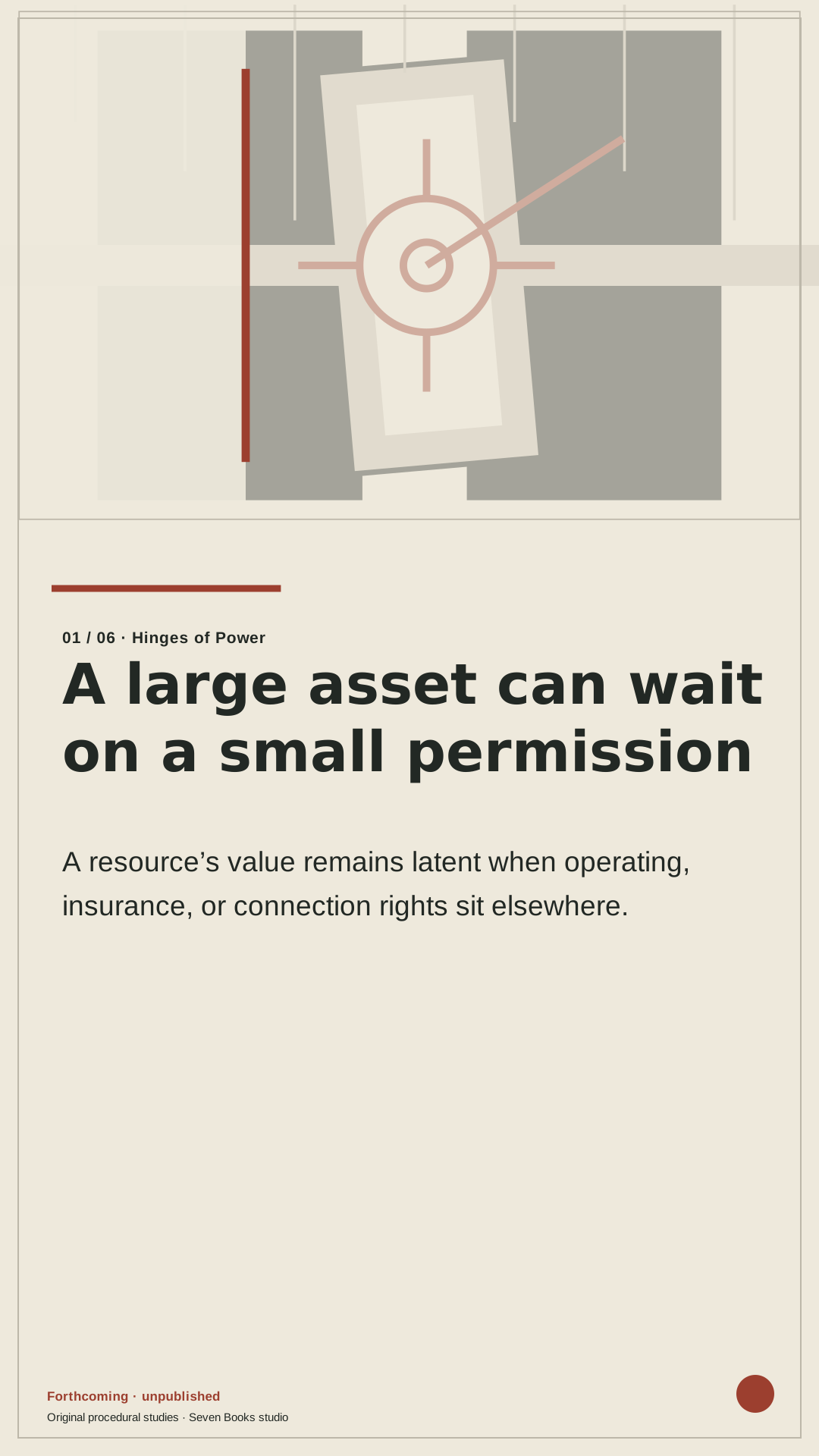
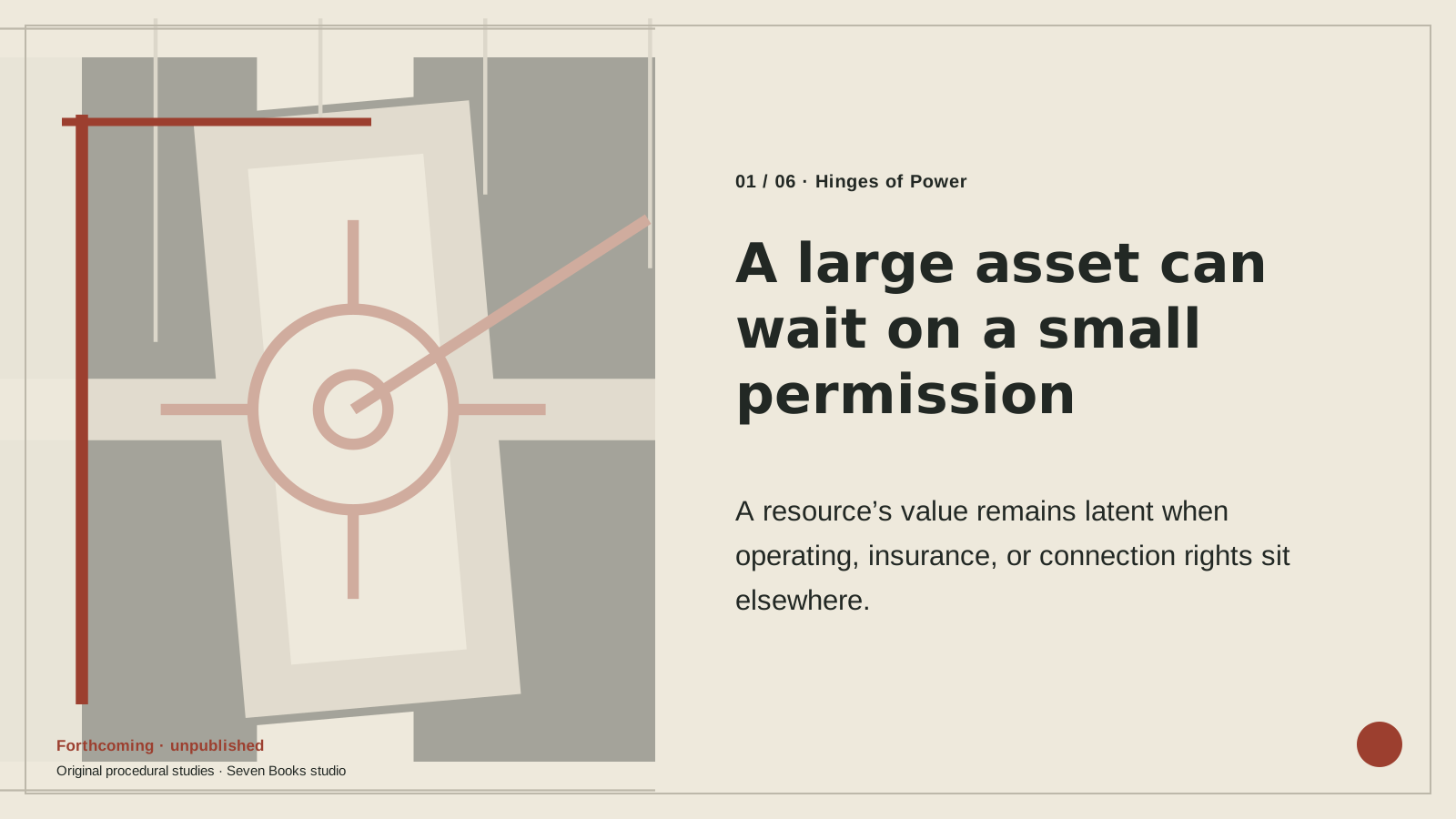
A large asset can wait on a small permission
A resource’s value remains latent when operating, insurance, or connection rights sit elsewhere.
Download SVG study ↓
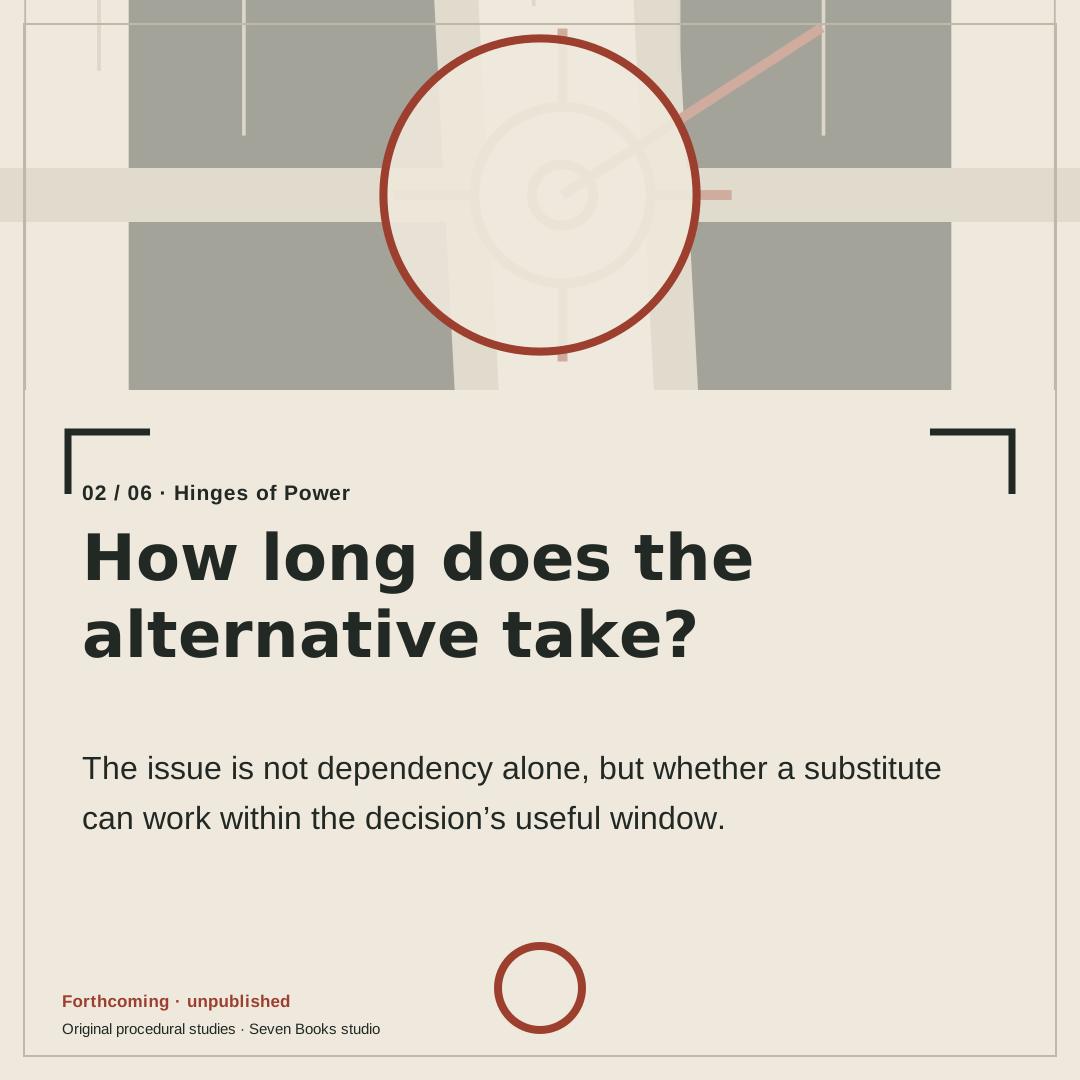
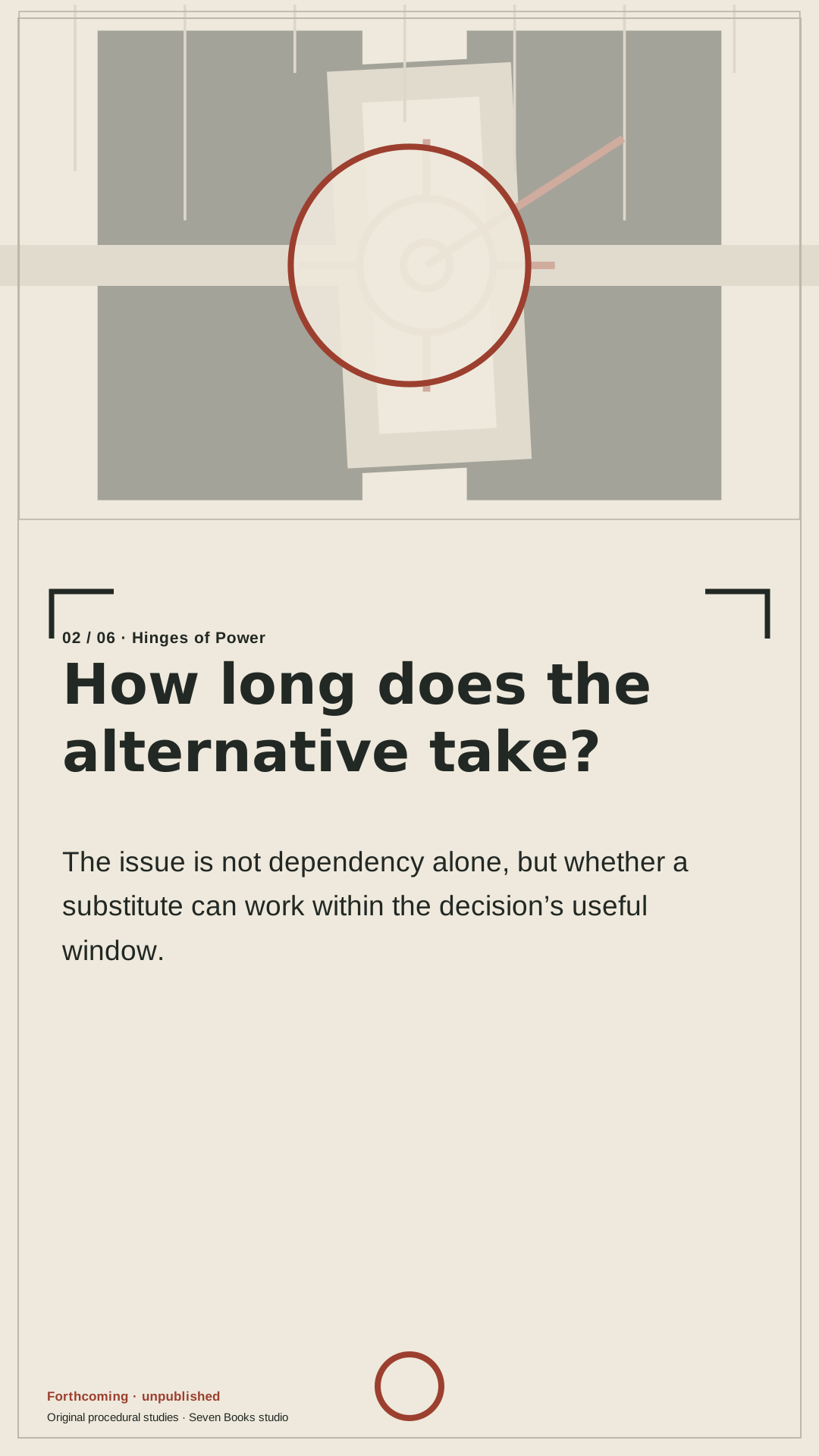
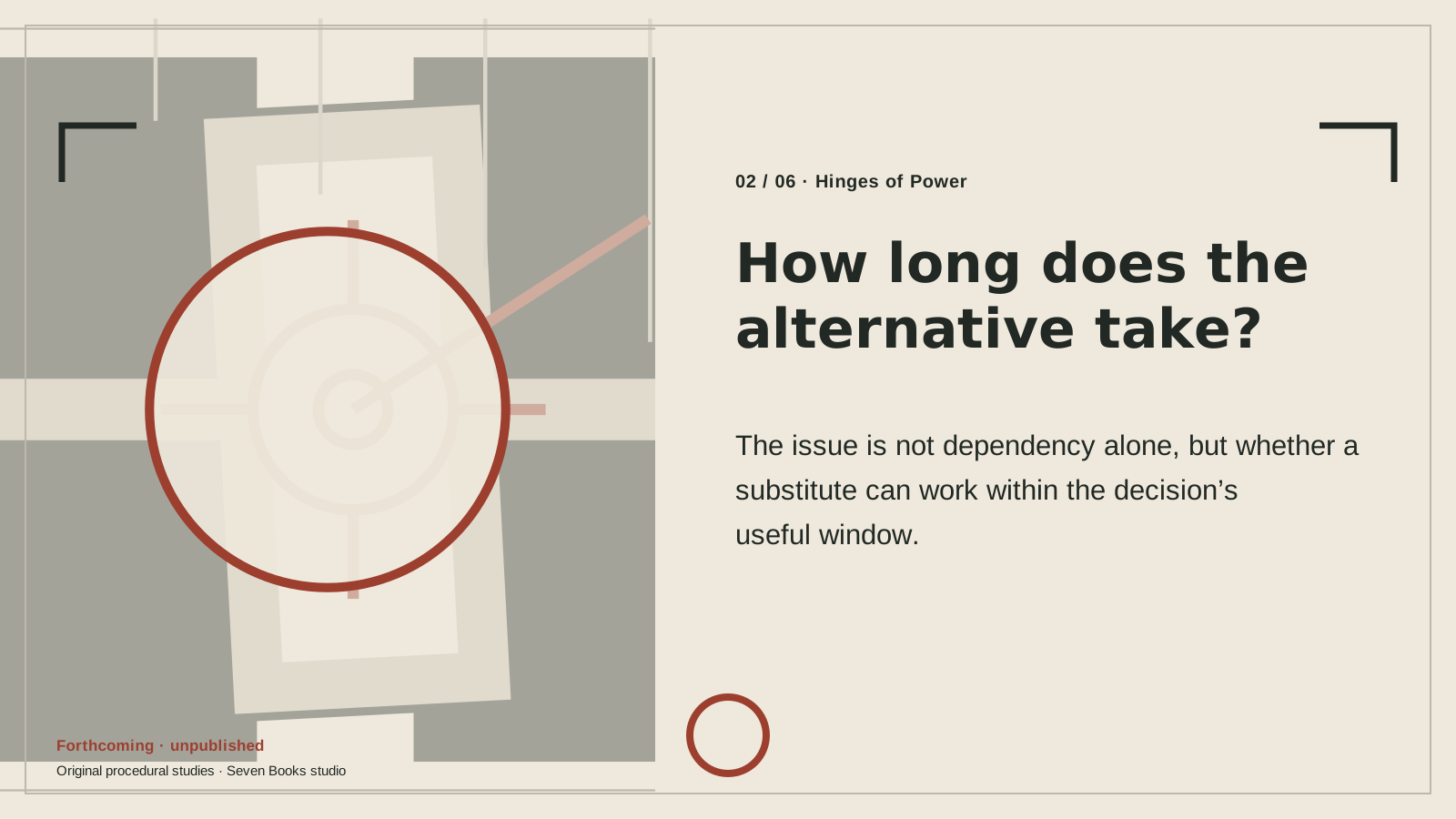
How long does the alternative take?
The issue is not dependency alone, but whether a substitute can work within the decision’s useful window.
Download SVG study ↓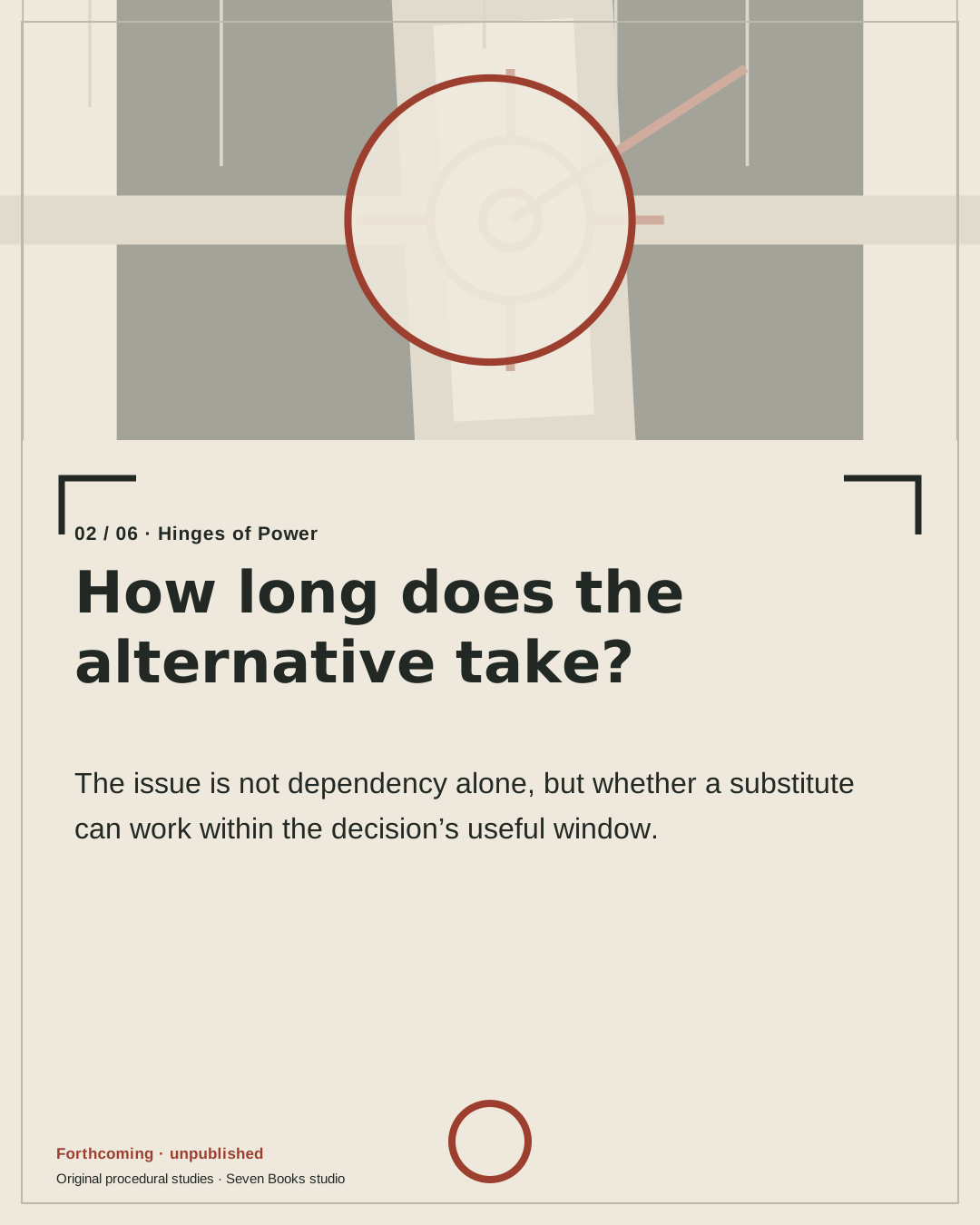
Data location is not all of data sovereignty
Local storage does not settle who defines, transforms, or governs decisions derived from data.
Download SVG study ↓
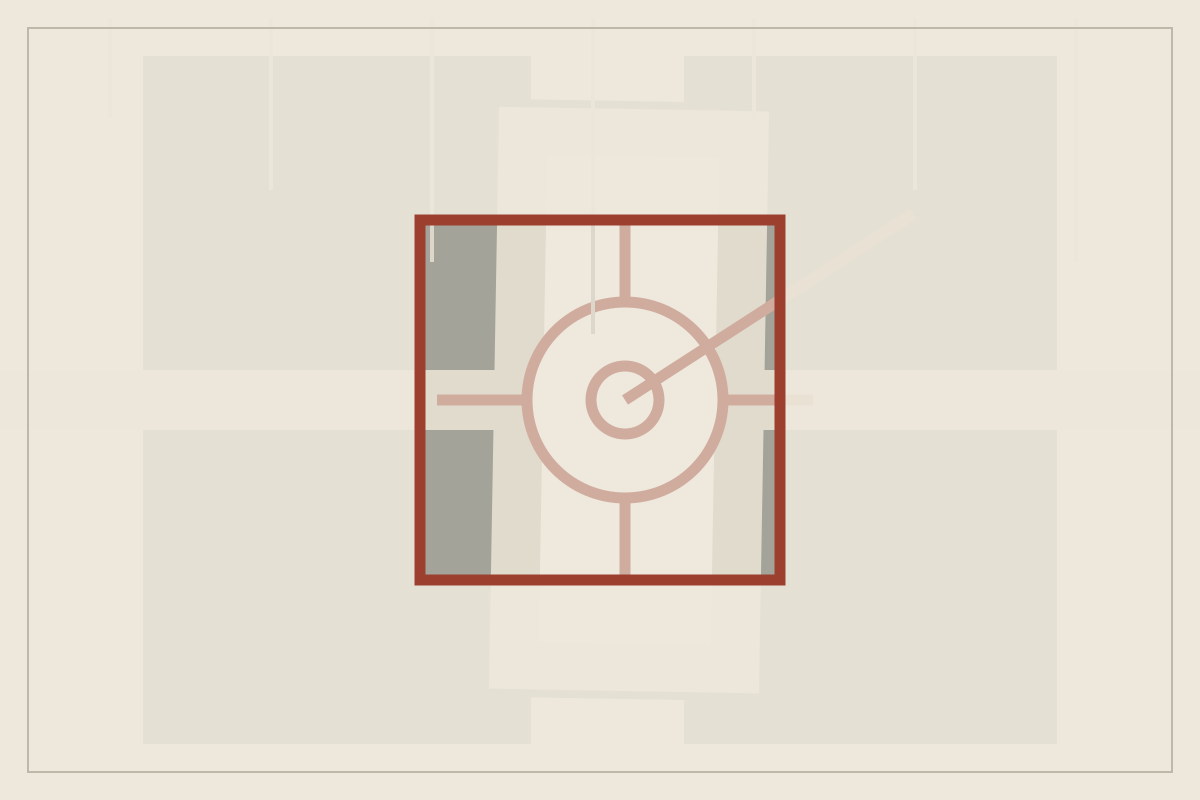
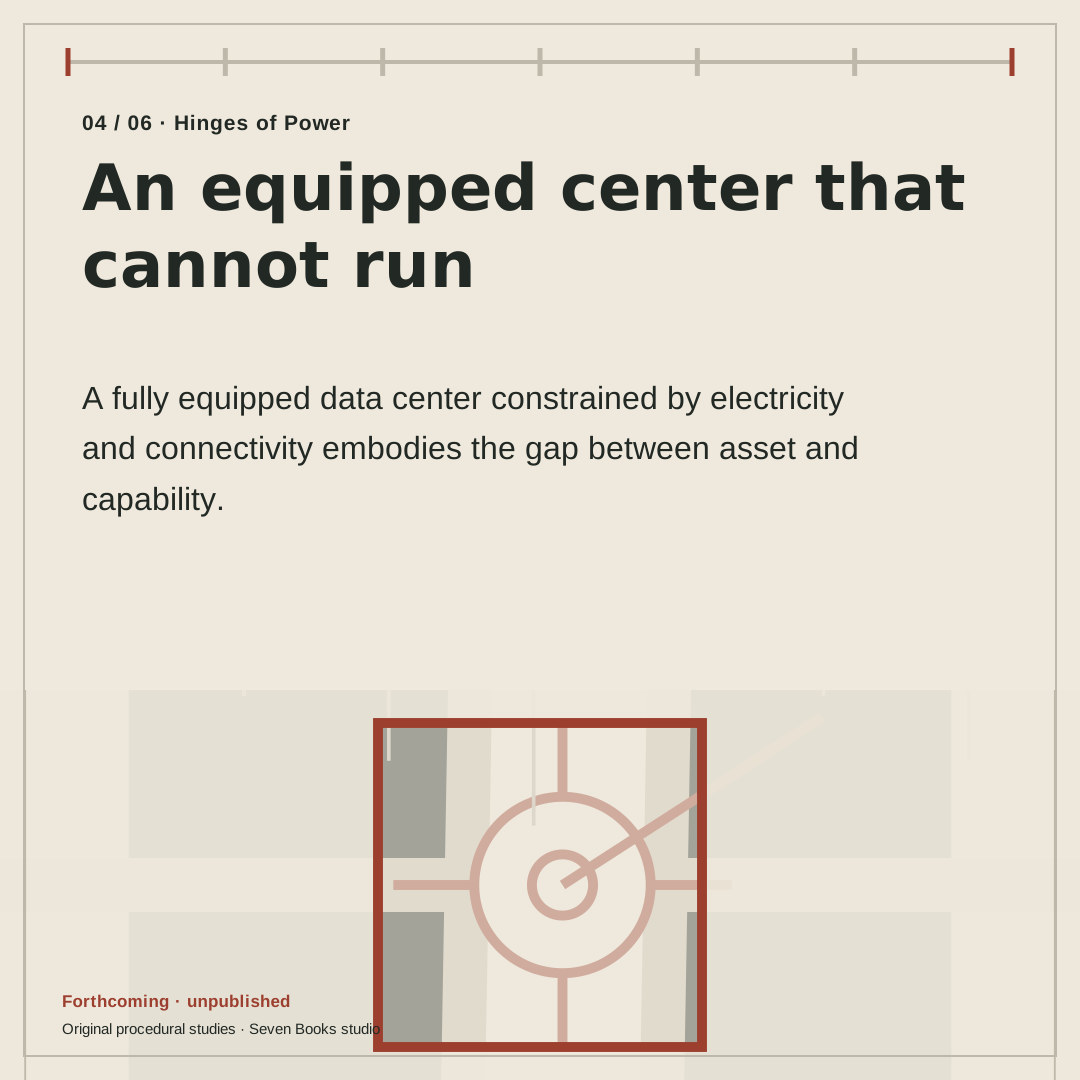
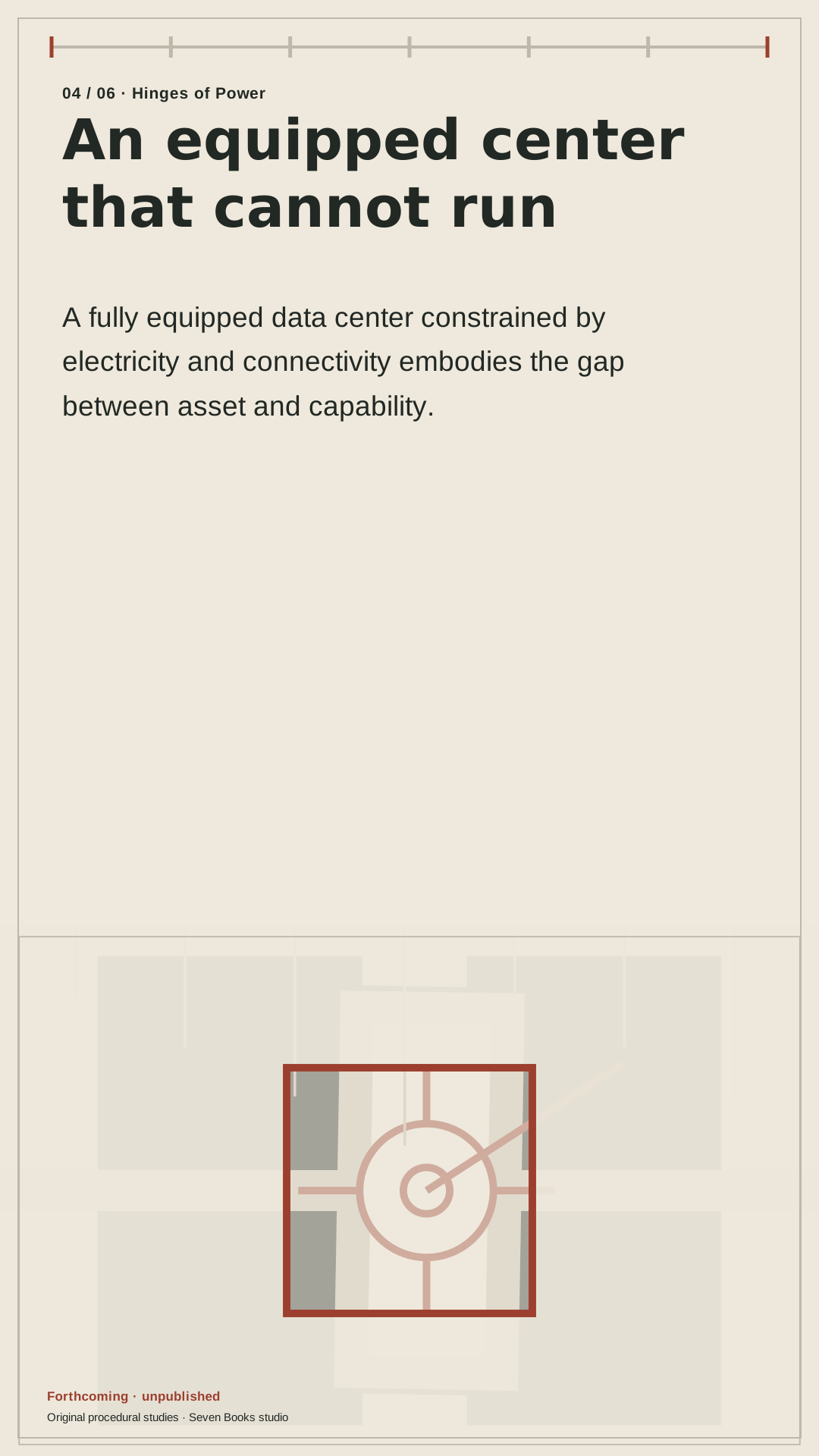
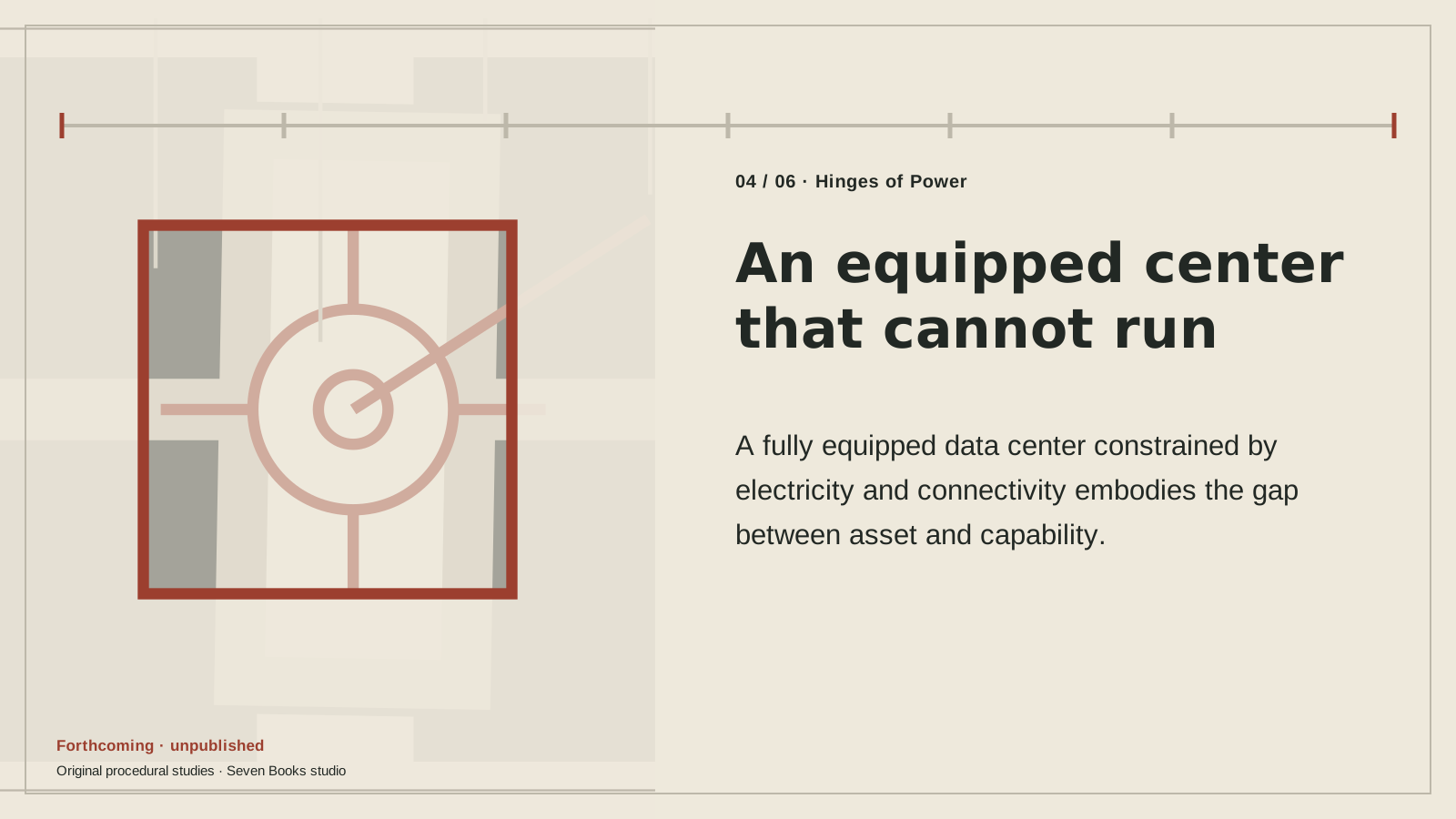
An equipped center that cannot run
A fully equipped data center constrained by electricity and connectivity embodies the gap between asset and capability.
Download SVG study ↓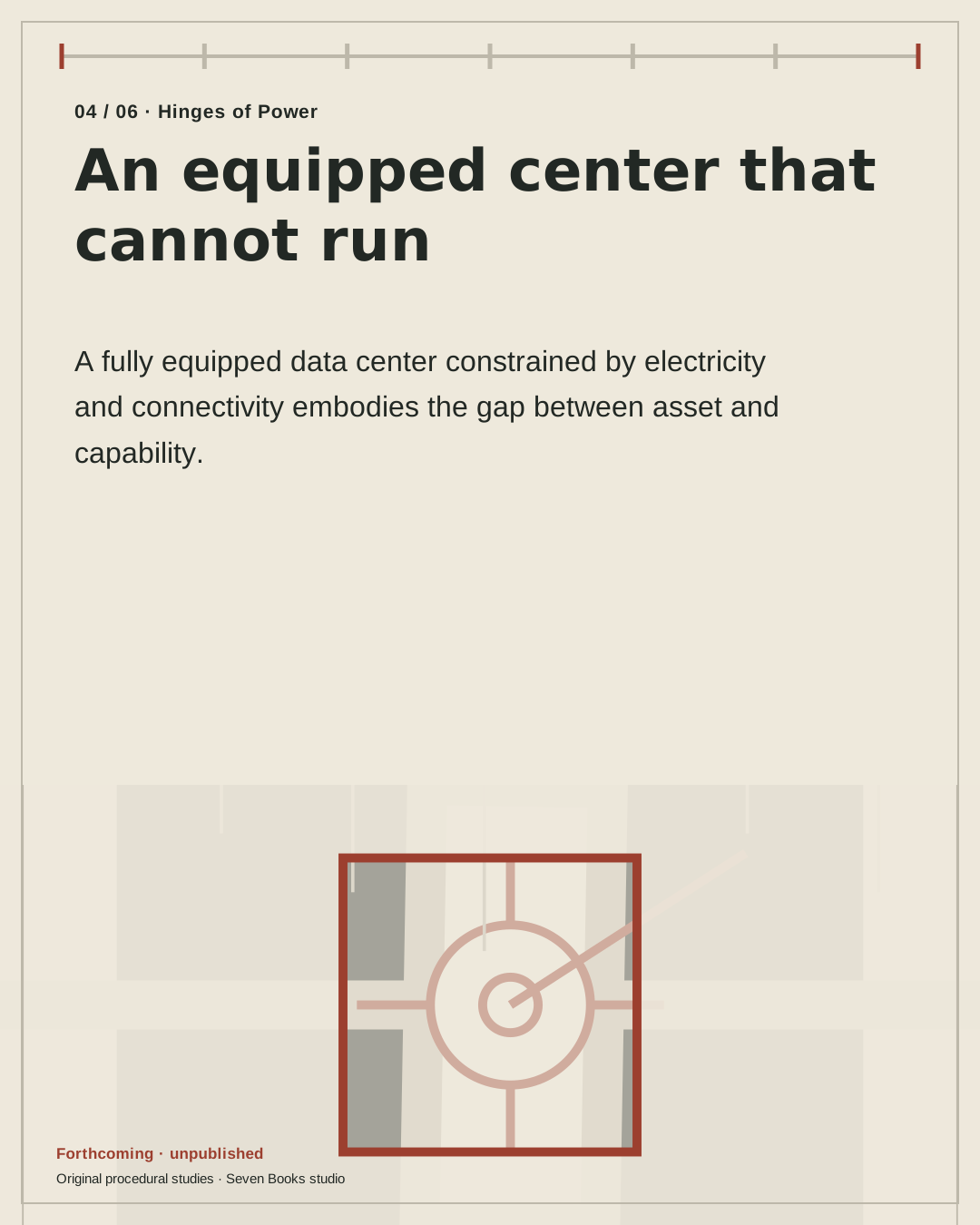
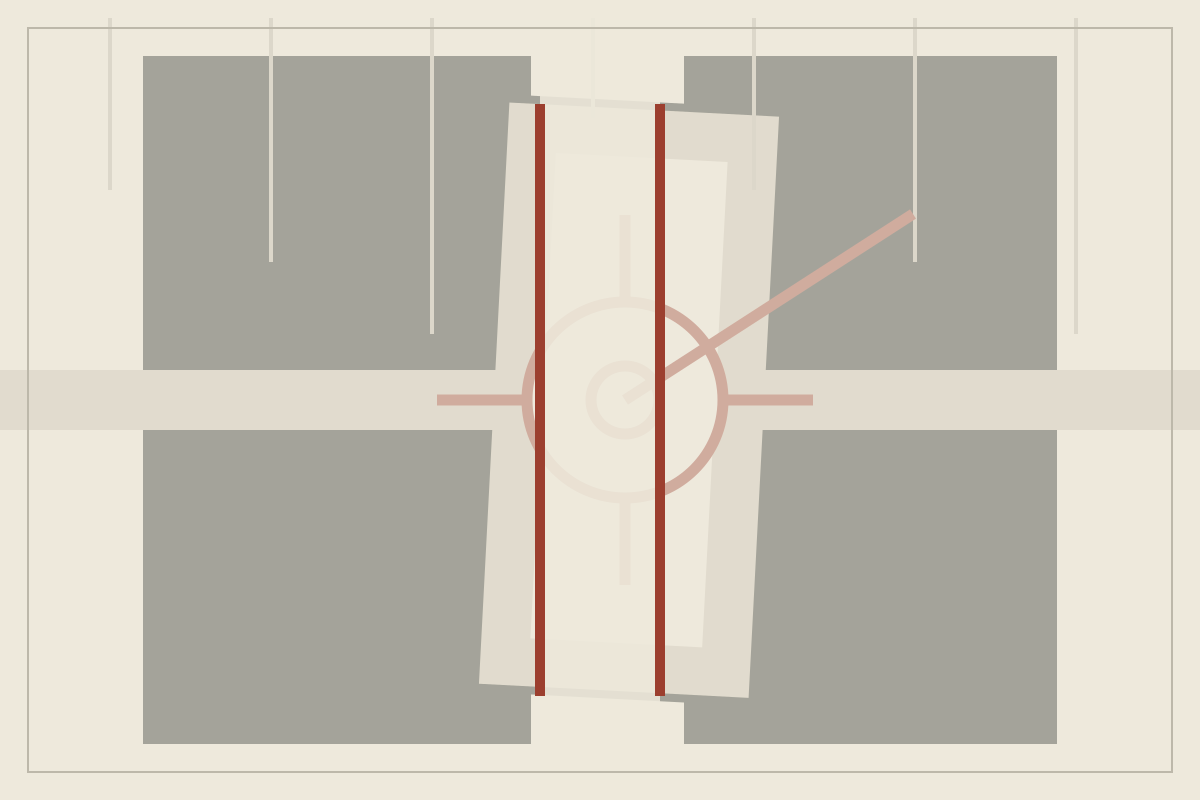
Hinge map
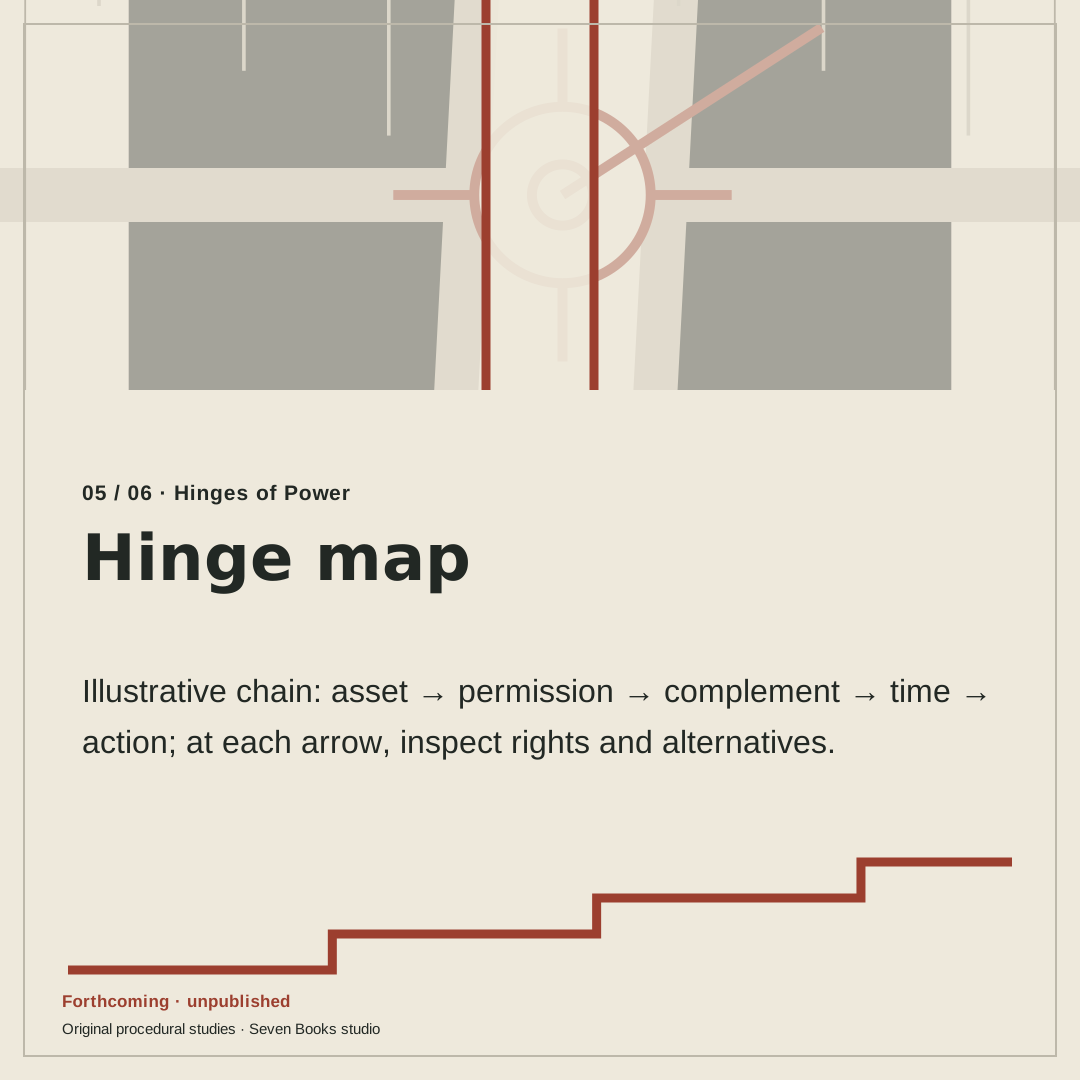
Illustrative chain: asset → permission → complement → time → action; at each arrow, inspect rights and alternatives.
Download SVG study ↓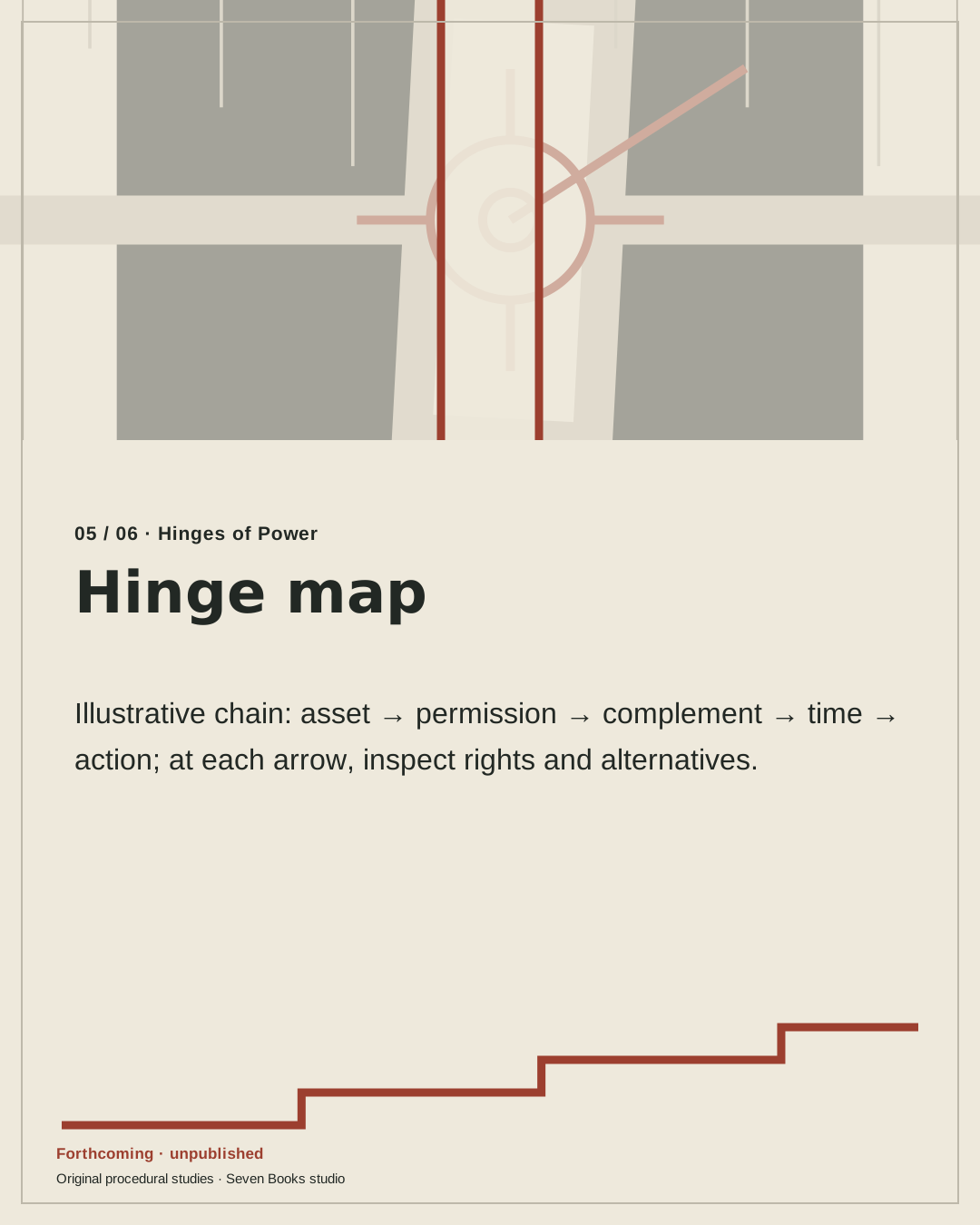
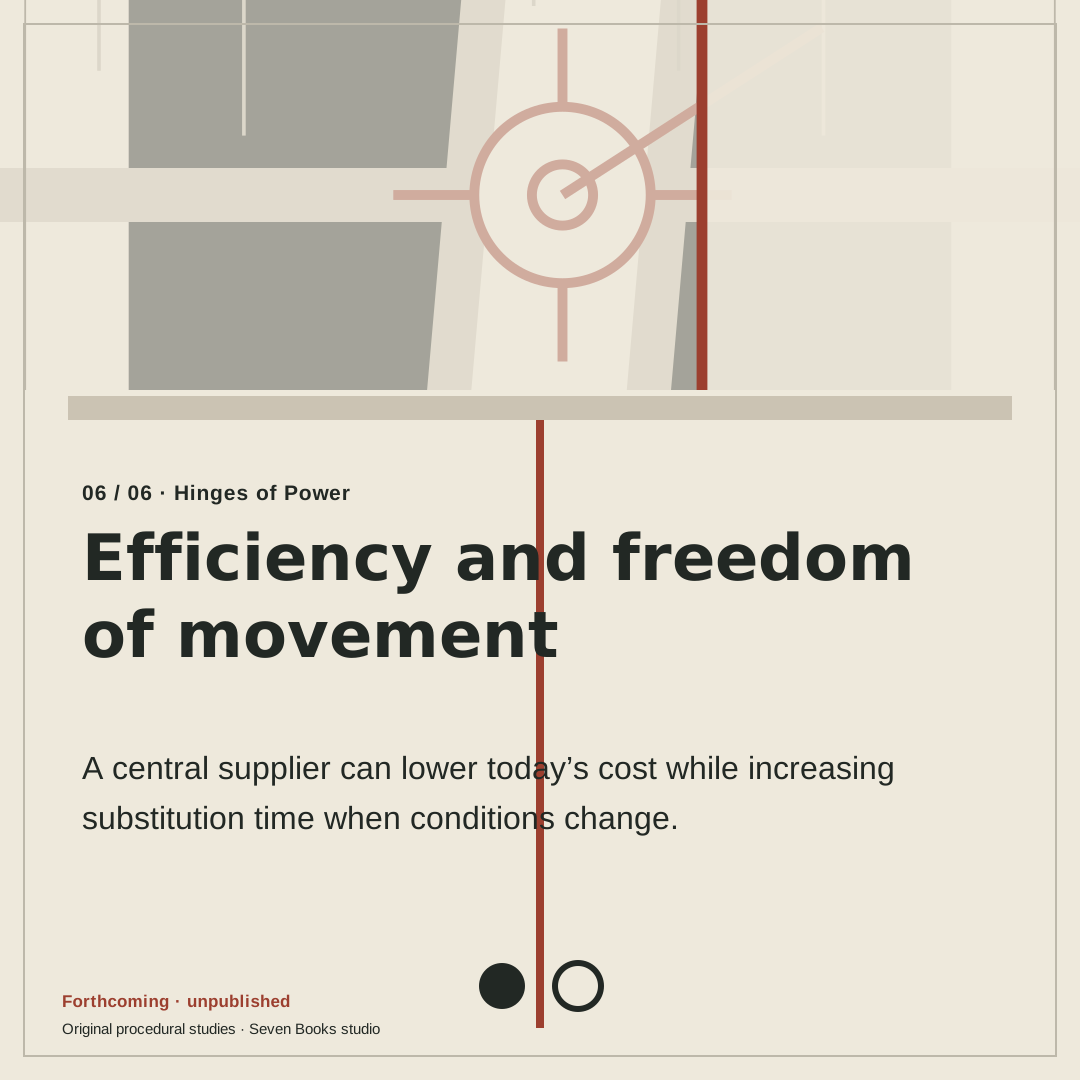
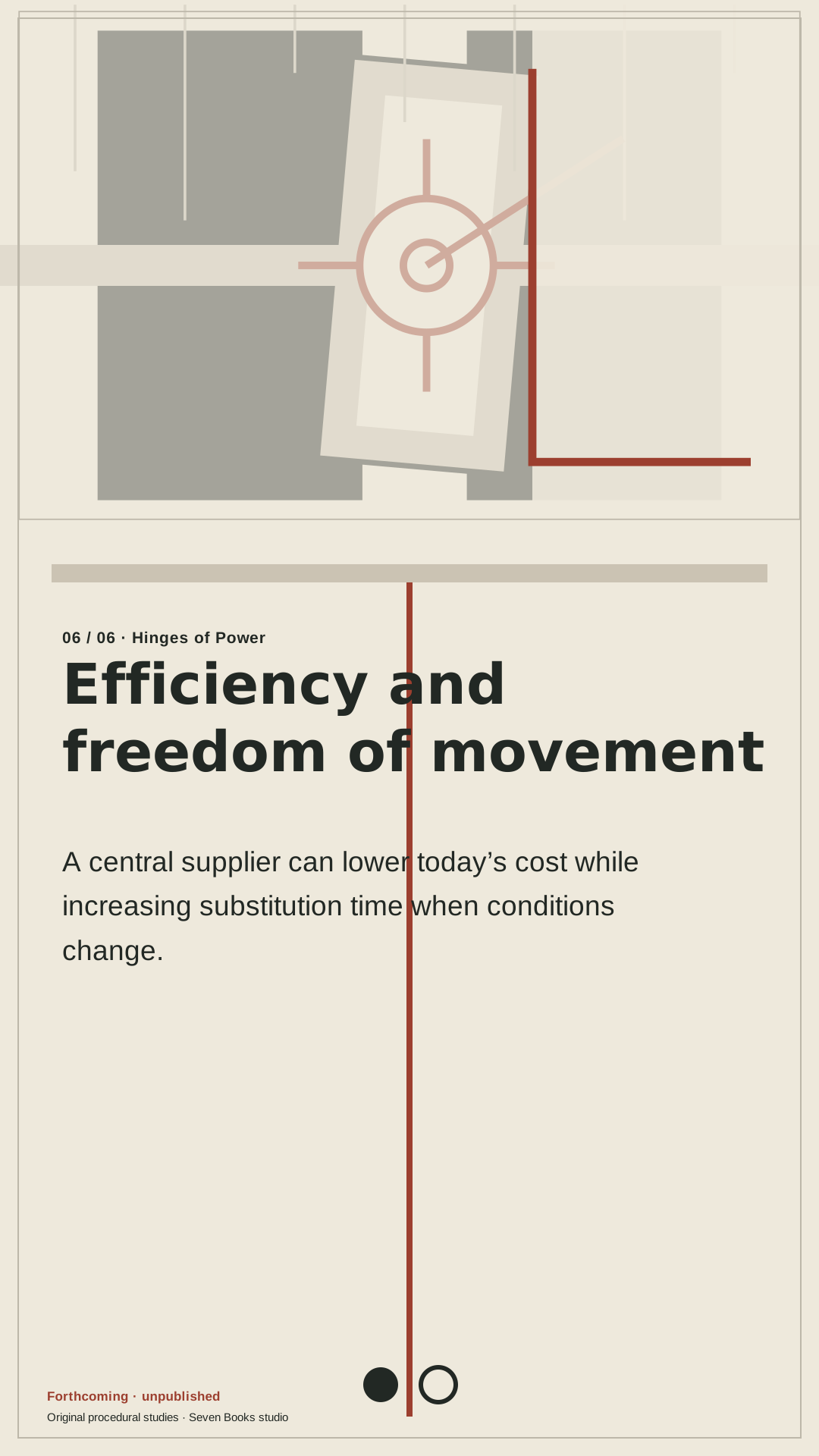
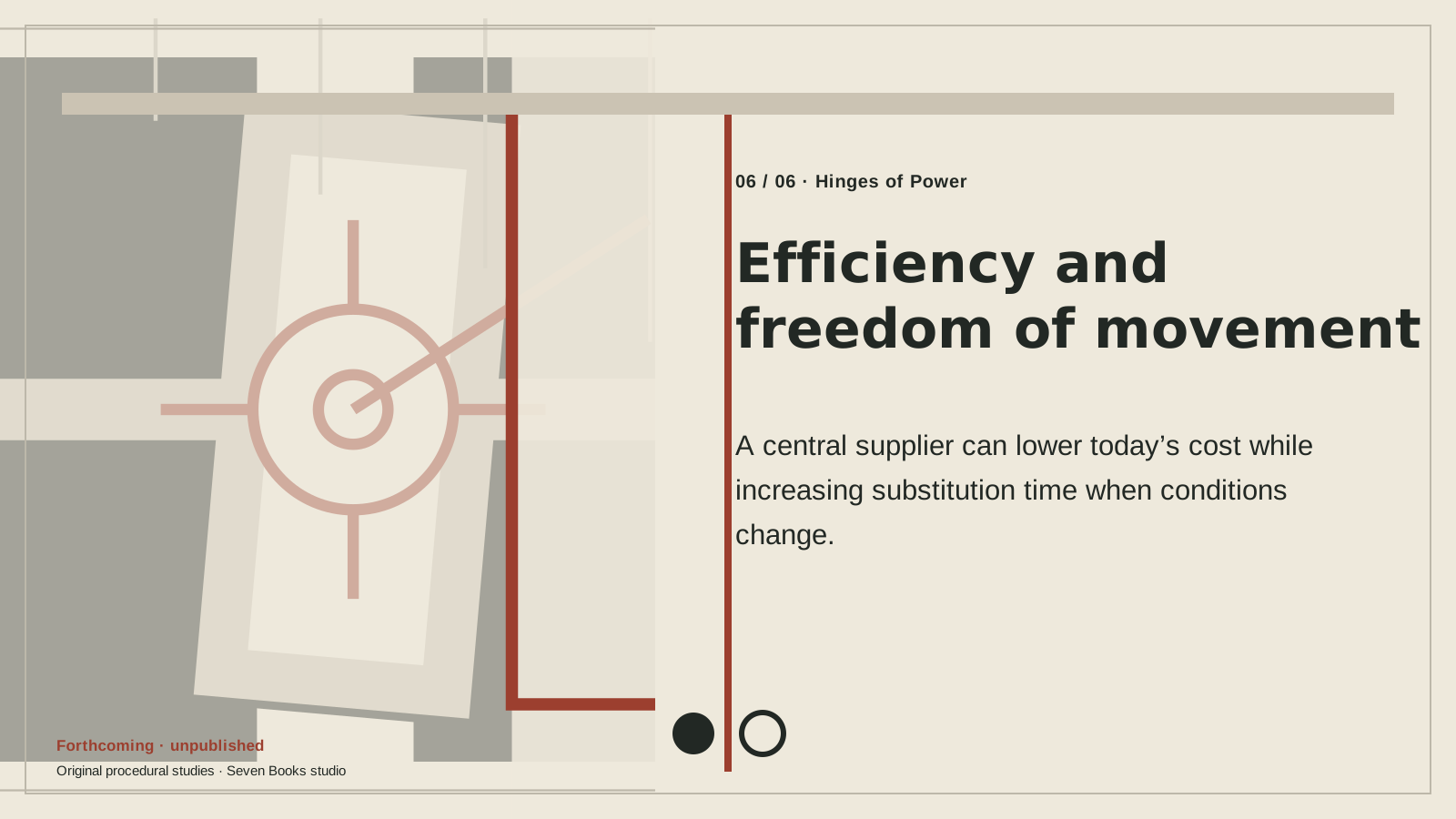
Efficiency and freedom of movement
A central supplier can lower today’s cost while increasing substitution time when conditions change.
Download SVG study ↓
Original procedural studies · Seven Books studio · Project-original procedural geometry
Continue the question
The Birth of Hidden Power
How did computer networking move from an engineering benefit to a domain of political, intelligence, and market power?
03Beyond the Breach
How can a state or institution remain secure when breaches cannot be ruled out and machines accelerate action while responsibility remains human?
04Beyond Digital Transformation
How does an institution change when producing knowledge becomes cheaper while verification costs and decision responsibility remain?
07The Compass of Reality
How can a decision maker distinguish the reality they need to understand from the picture their measurement tools permit them to see?
JournalSecurity Is a Design Decision
Security becomes credible when access, friction, recovery, and accountability are designed around the harm at stake.
When the work becomes available
Choose the books you want to hear about. A confirmation email verifies your address before any release notice is sent.
Publication notifications are not open yet. No address is collected here.
Privacy and consent ↗