The Birth of Hidden Power
From Network Fragility to the Cyber State and the Vulnerability Market
How did computer networking move from an engineering benefit to a domain of political, intelligence, and market power?
An institutional history of how technical knowledge becomes capability—and who gains the authority to turn it into action.
An invitation to readAn invitation to read
The book begins before the familiar image of the cyber attacker, with a reasonable engineering priority: make computers communicate when hostile networks were not yet the central problem. As connectivity became more useful, losing it became more costly. Early choices hardened into structural dependencies supporting societies, economies, and states that now ask far more of those systems than their original setting anticipated.
Its central movement is from recognizing danger to governing it. A researcher may locate a weakness, an intelligence service may value access, and a defender may want the flaw closed. Knowledge becomes policy only after authority, jurisdiction, responsibility, and accountability are assigned. A vulnerability therefore appears as an asset with competing values, rather than a defect simply waiting for a patch.
The inquiry travels through software trust, build chains, offensive tests, the formation of state cyber functions, and a market in which access can pass from researcher to broker, contractor, and operator. Its argument is subtler than the arrival of a new weapon: cyber power emerges when institutions can turn limited technical knowledge into political or economic options, while facing consequences they may not fully contain.
Anatomy of the argument
An analytical reading of the supplied brief. These stages are not manuscript chapter titles.
- 01
Connection before defense
The early trade-offs favored operation and sharing, then hardened into dependencies that became difficult to repair once networks supported social life.
- 02
From warning to institution
Technical concern becomes a political matter requiring jurisdiction, budgets, decision rights, and accountable authority.
- 03
Hidden layers of trust
Message security differs from machine security; code review differs from trust in the tools and supply chain that produce a running system.
- 04
When vulnerabilities become a market
The analysis separates legitimate research and remediation from the chains of sale and operation that make access transferable.
A thought you can test
Illustrative model · invented inputs, not evidence or a prediction.
An assumption acquires a history
Move through four stages of a hypothetical connected system.
- 1Connection
A bounded community accepts a shared technical assumption.
- 2Routine reliance
Other services begin to rely on that assumption.
- 3Institutional dependence
Replacing the system now requires institutional coordination.
- 4Strategic leverage
Control over the dependency can shape another actor’s choices.
A reasonable design choice can acquire a political consequence as reliance grows. This sequence is a model, not an inevitable history.
- Connection — A bounded community accepts a shared technical assumption.
- Routine reliance — Other services begin to rely on that assumption.
- Institutional dependence — Replacing the system now requires institutional coordination.
- Strategic leverage — Control over the dependency can shape another actor’s choices.
Concept laboratory
The vulnerability’s dual value
Disclosure can protect systems; retention can enable intelligence collection. The choice is technical, political, legal, and strategic at once.
Converting knowledge into capability
A technical finding becomes power only when an institution can fund, authorize, operate, and connect it to a governable purpose.
The trust chain
An illustrative audit across code, build tools, suppliers, devices, and the authority that permits operation.
Illustrative model · invented inputs, not evidence or a prediction.Four different acts
Access, collection, alteration, and disruption can share methods without serving the same strategic end.
Visual library
Original conceptual studies. Covers are proposals; captions are editorial writing, not manuscript quotations.
The Birth of Hidden Power
How did computer networking move from an engineering benefit to a domain of political, intelligence, and market power?
Download SVG study ↓
An institutional history of how technical knowledge becomes capability—and who gains the authority to turn it into action.
Download SVG study · 2:1 ↓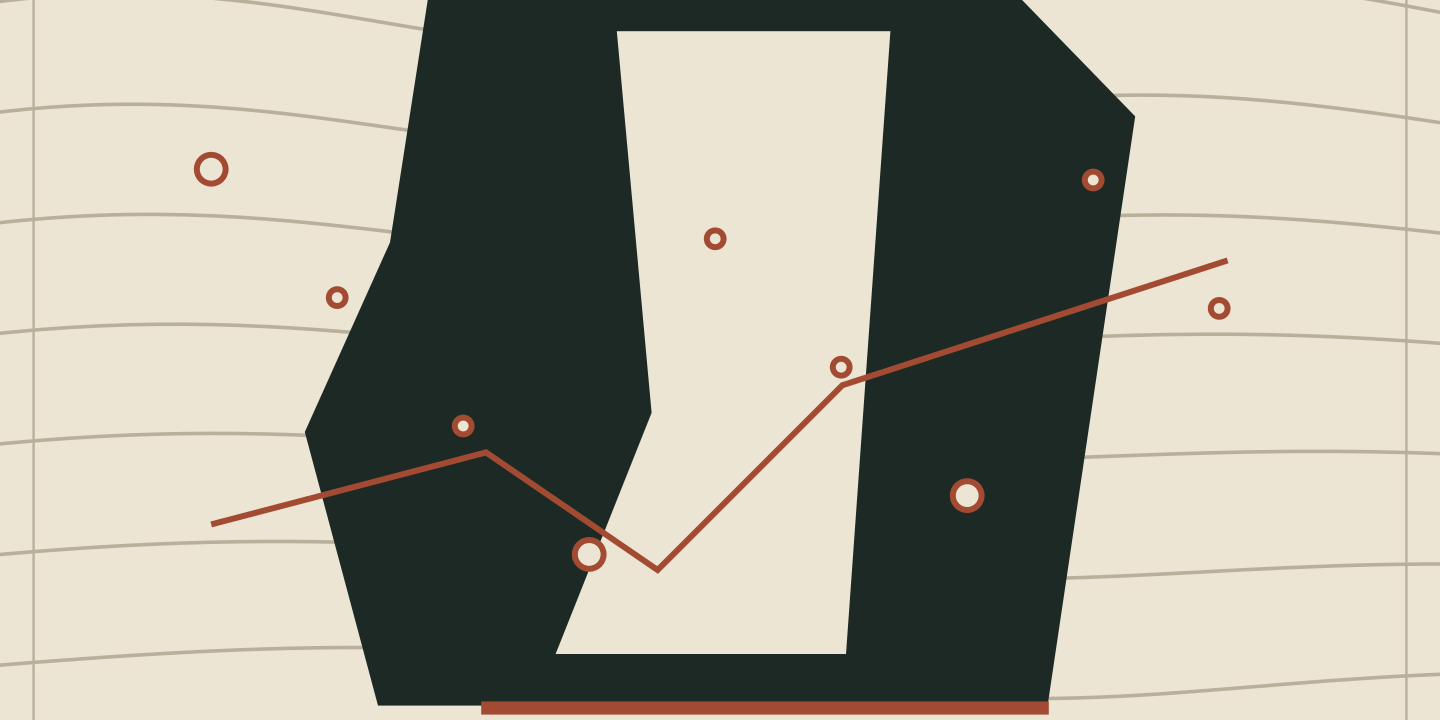

Visible surface, buried rule
A system may present a simple operating surface while relying on assumptions and relationships accumulated below it. The study separates what a user sees from what makes connection possible.
Download SVG study ↓
Trust travels through intermediaries
Trust does not pass directly from one party to another. It moves through tools, institutions, and permissions, each adding protection while creating another point of dependence.
Download SVG study ↓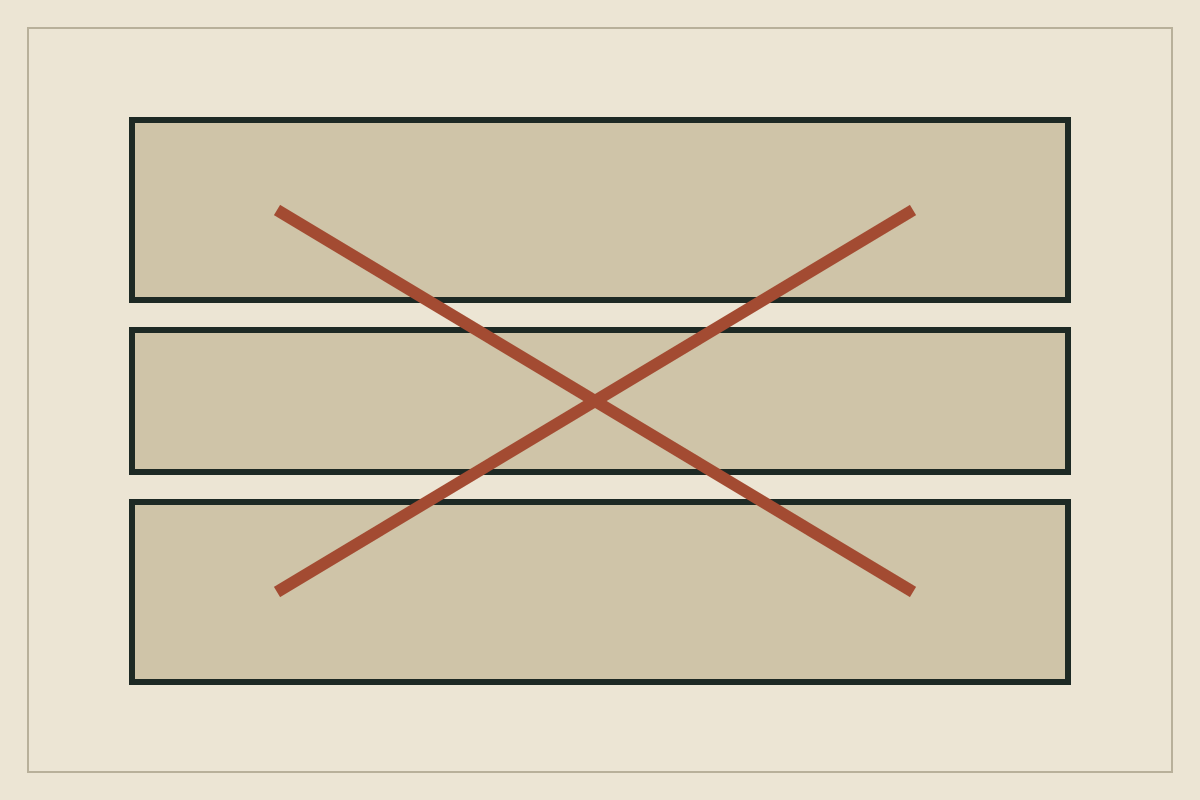
Formal authority, practical capacity
Responsibility may be assigned in one place while knowledge or the ability to act sits elsewhere. The overlapping layers show why knowing a risk does not automatically produce a decision.
Download SVG study ↓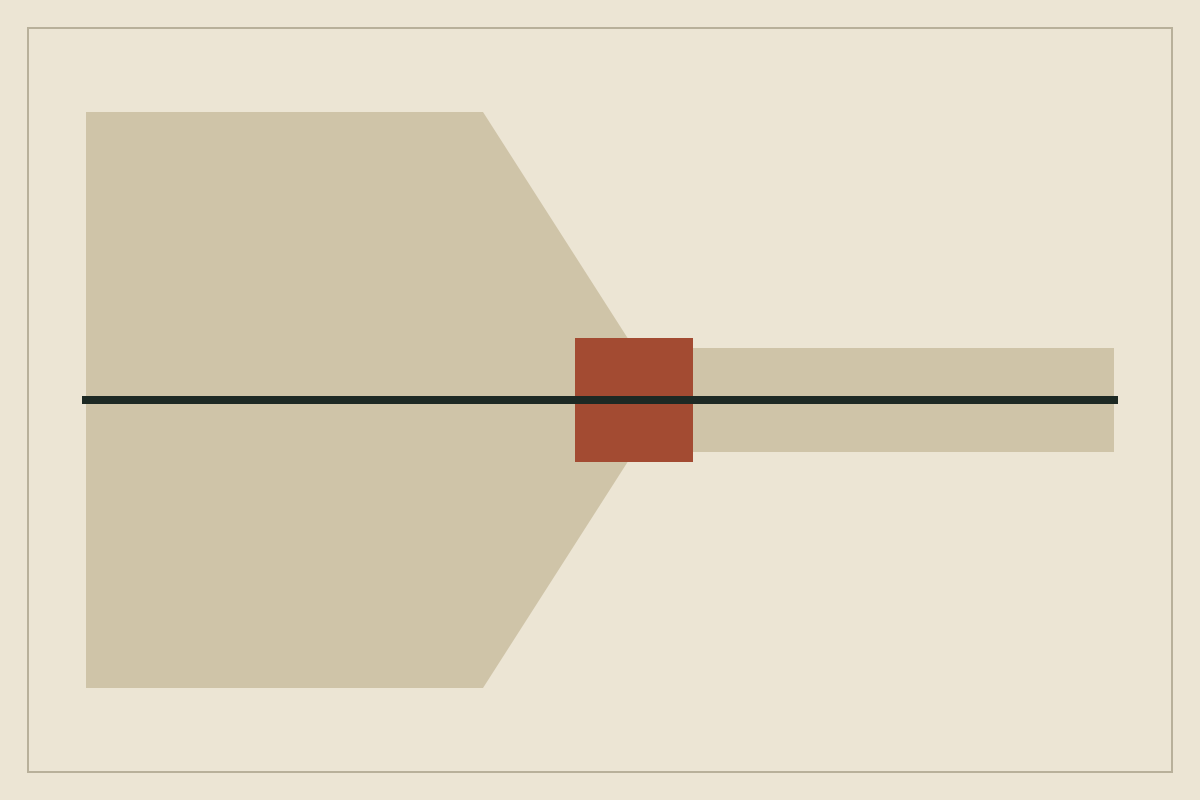
The institution at the bottleneck
When several paths depend on one institution, its remit or delay becomes part of the structure of power. This is a model of dependence, not a judgment about a particular institution.
Download SVG study ↓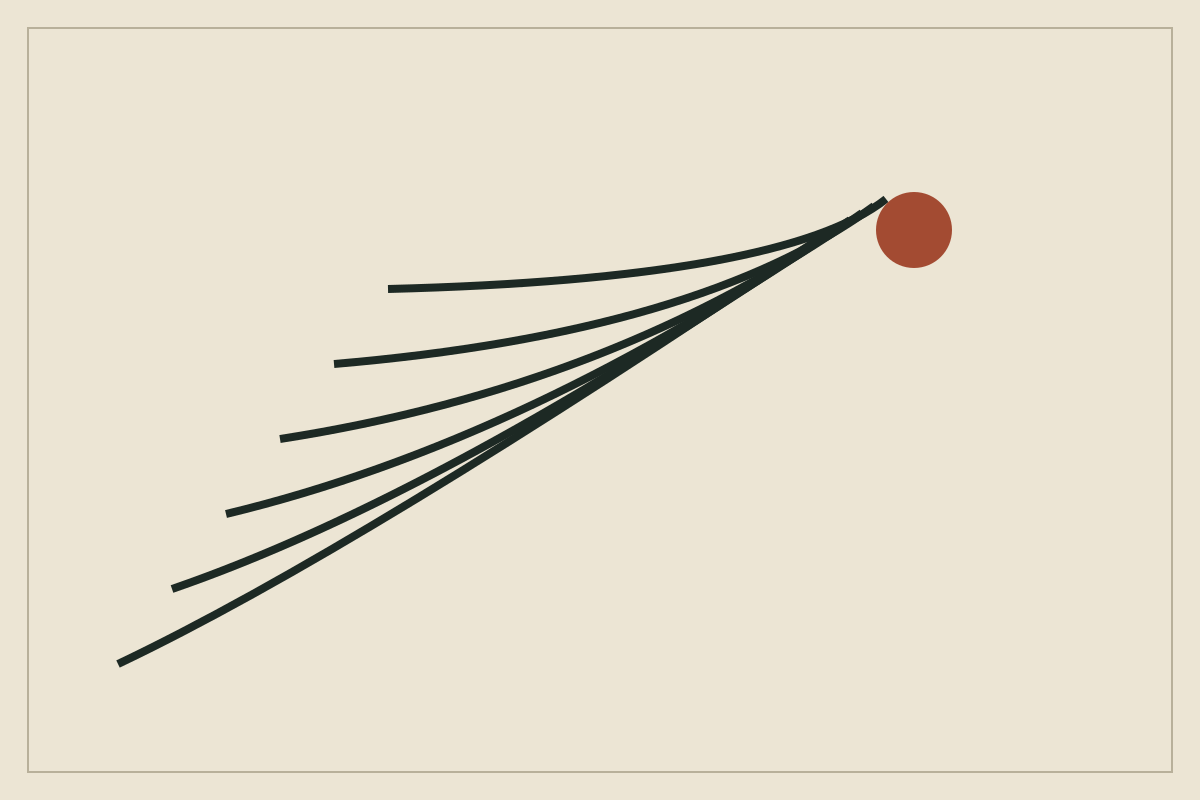
A path that grows costly to change
Each new service built on an earlier assumption makes replacement harder. The first choice need not have been mistaken; its consequences change when other systems come to rest on it.
Download SVG study ↓
The dependency map exposed
Once hidden links are viewed together, technical knowledge can be seen becoming institutional capacity and then strategic choice. The map is interpretive, not a record of a specific incident.
Download SVG study ↓Six small arguments
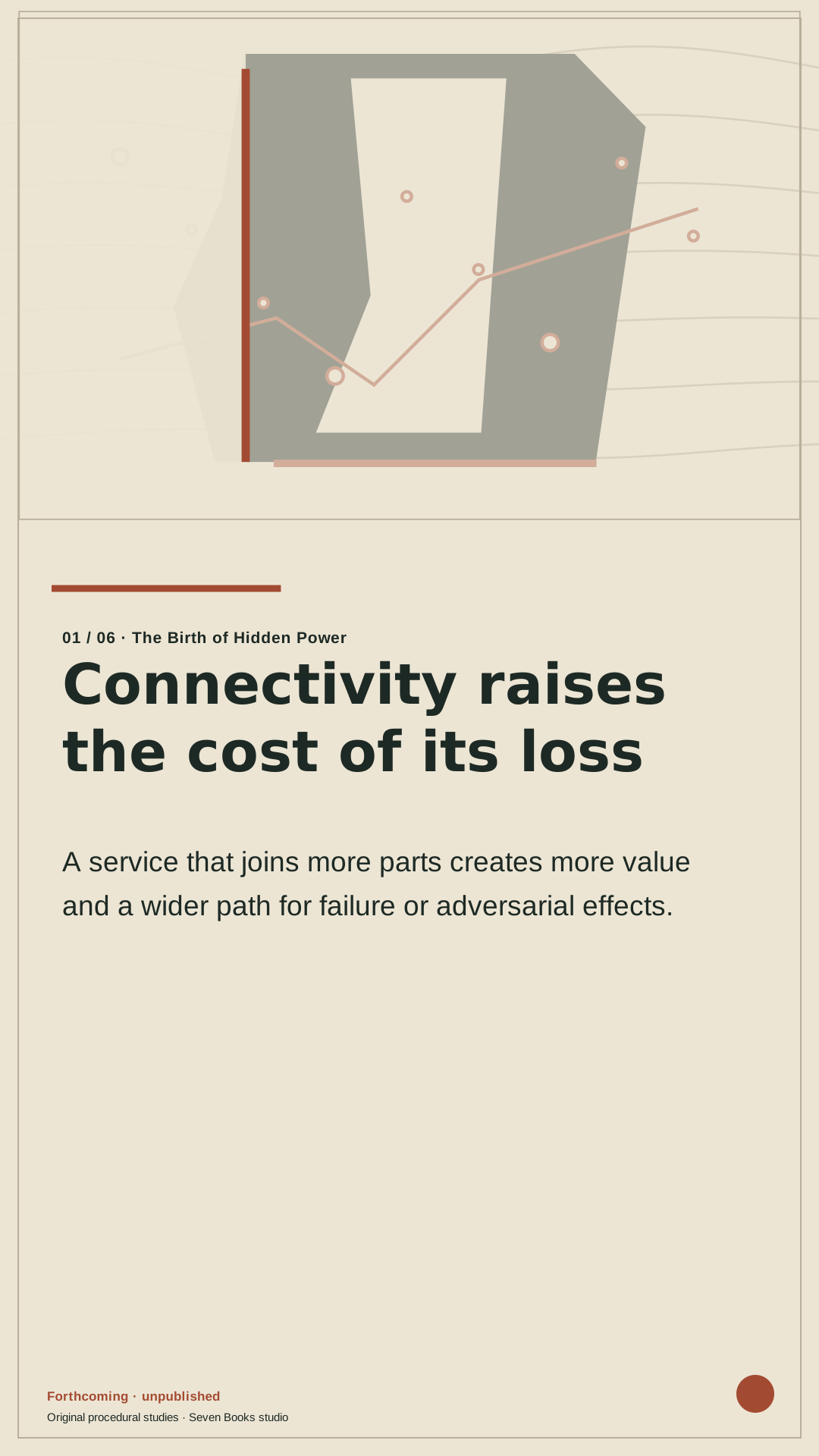
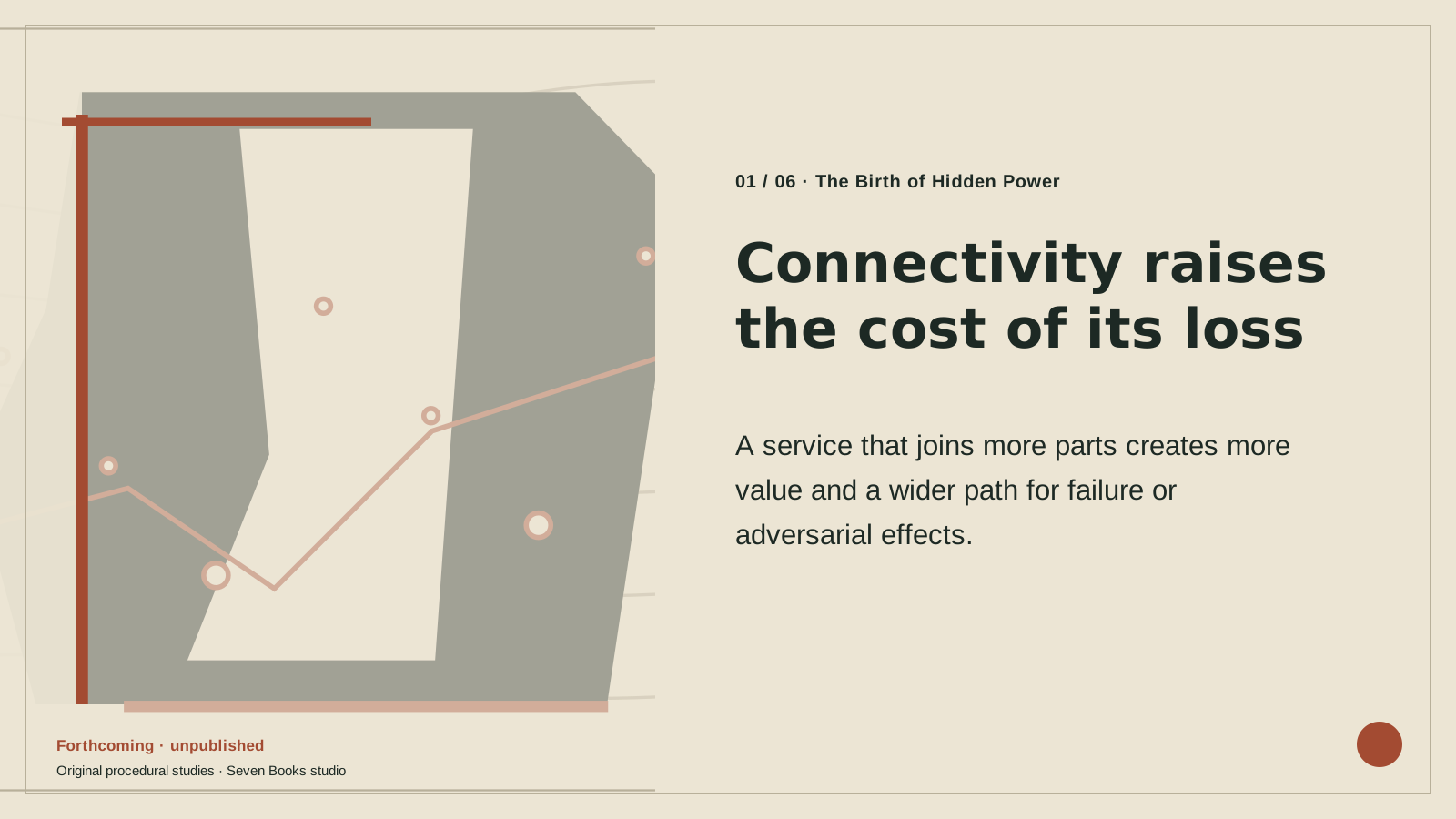
Connectivity raises the cost of its loss
A service that joins more parts creates more value and a wider path for failure or adversarial effects.
Download SVG study ↓
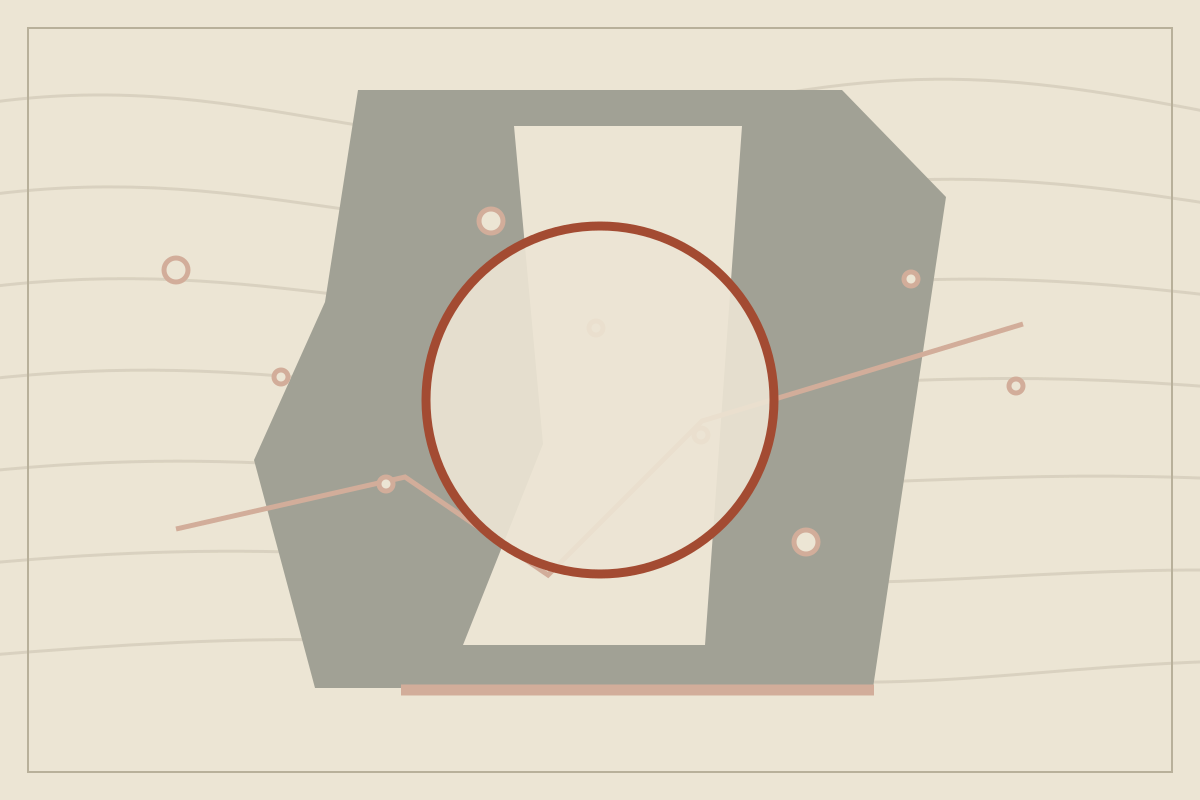
Who decides a vulnerability’s fate?
The discoverer, the defender, the intelligence user, or the institution that bears the consequences of a leak?
Download SVG study ↓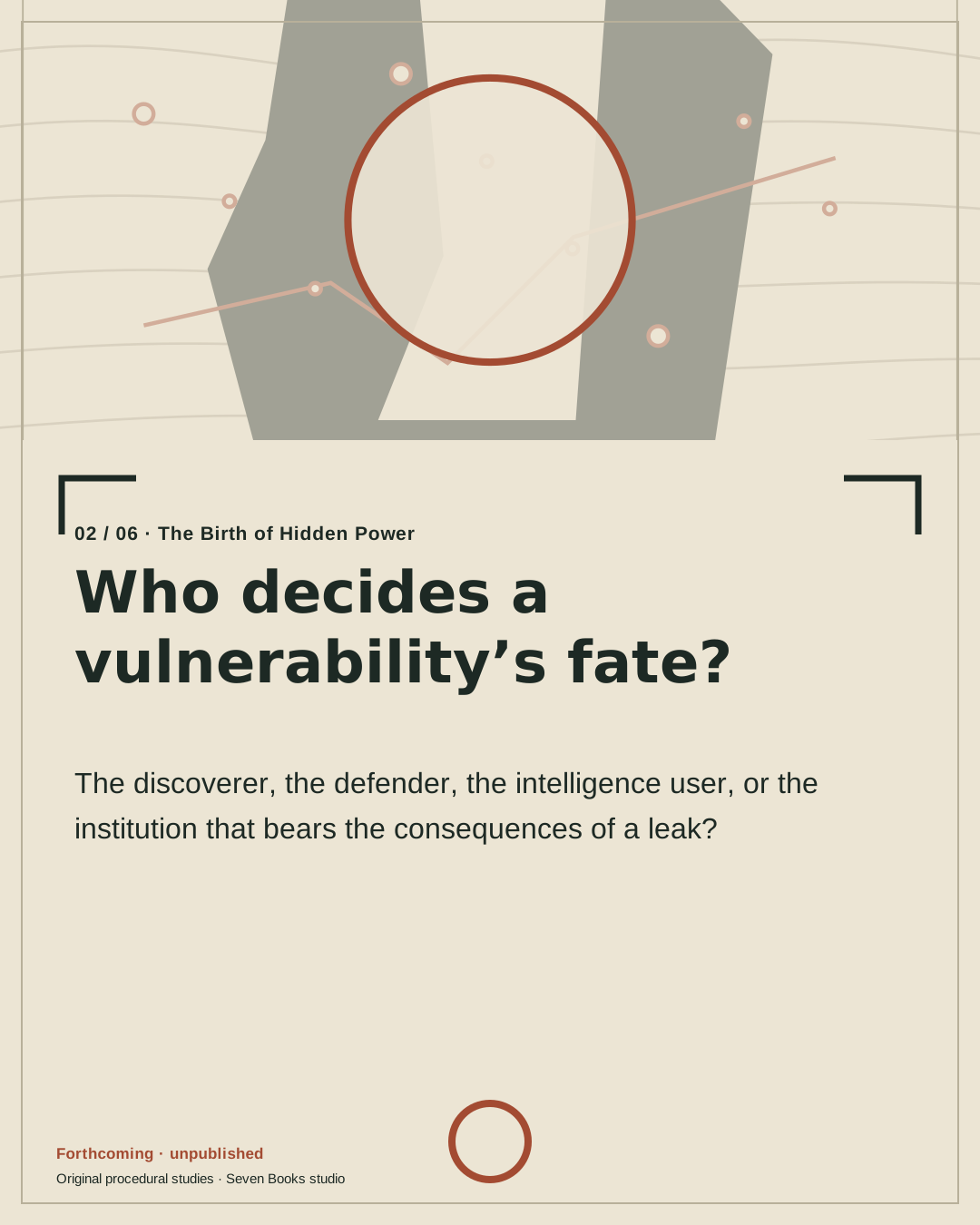
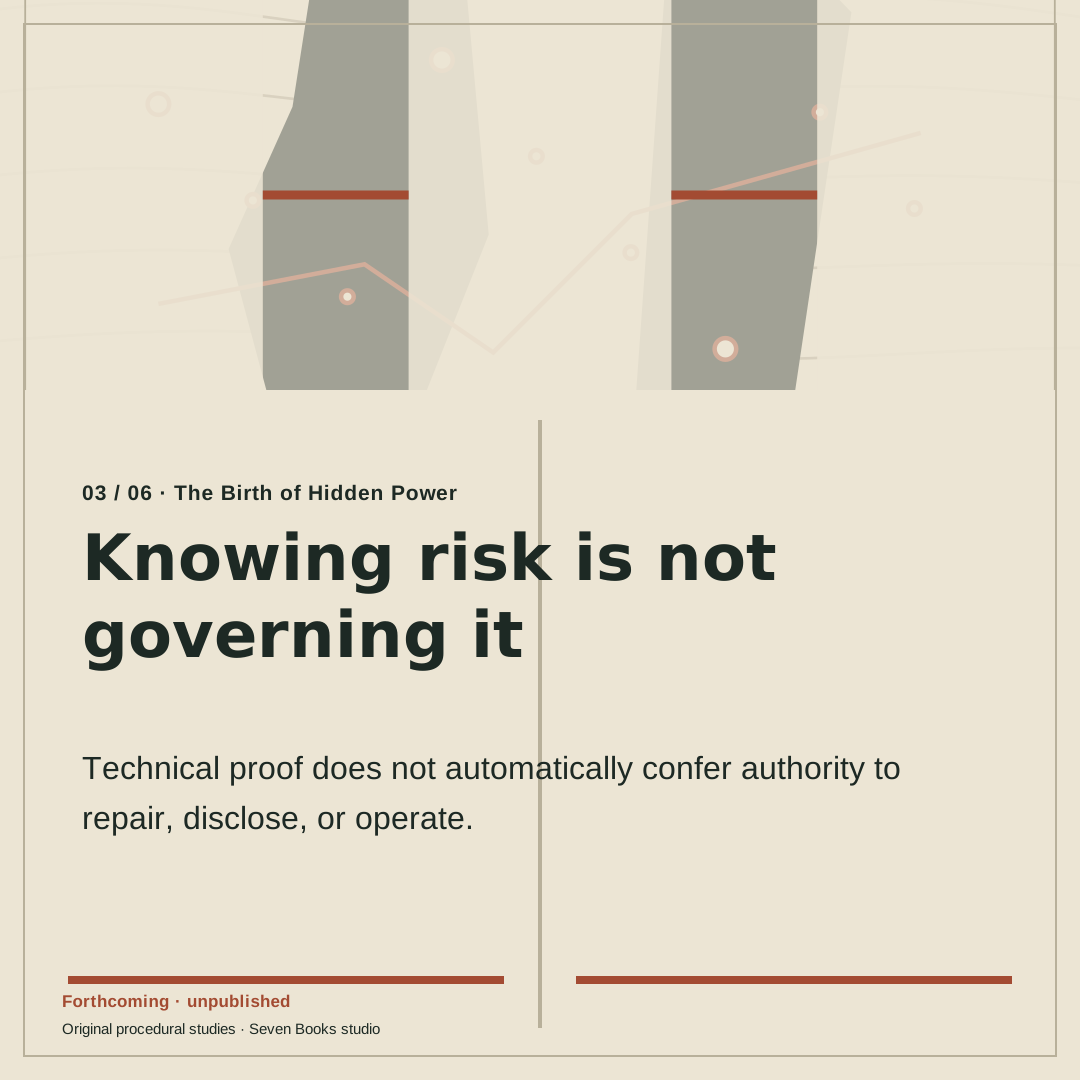
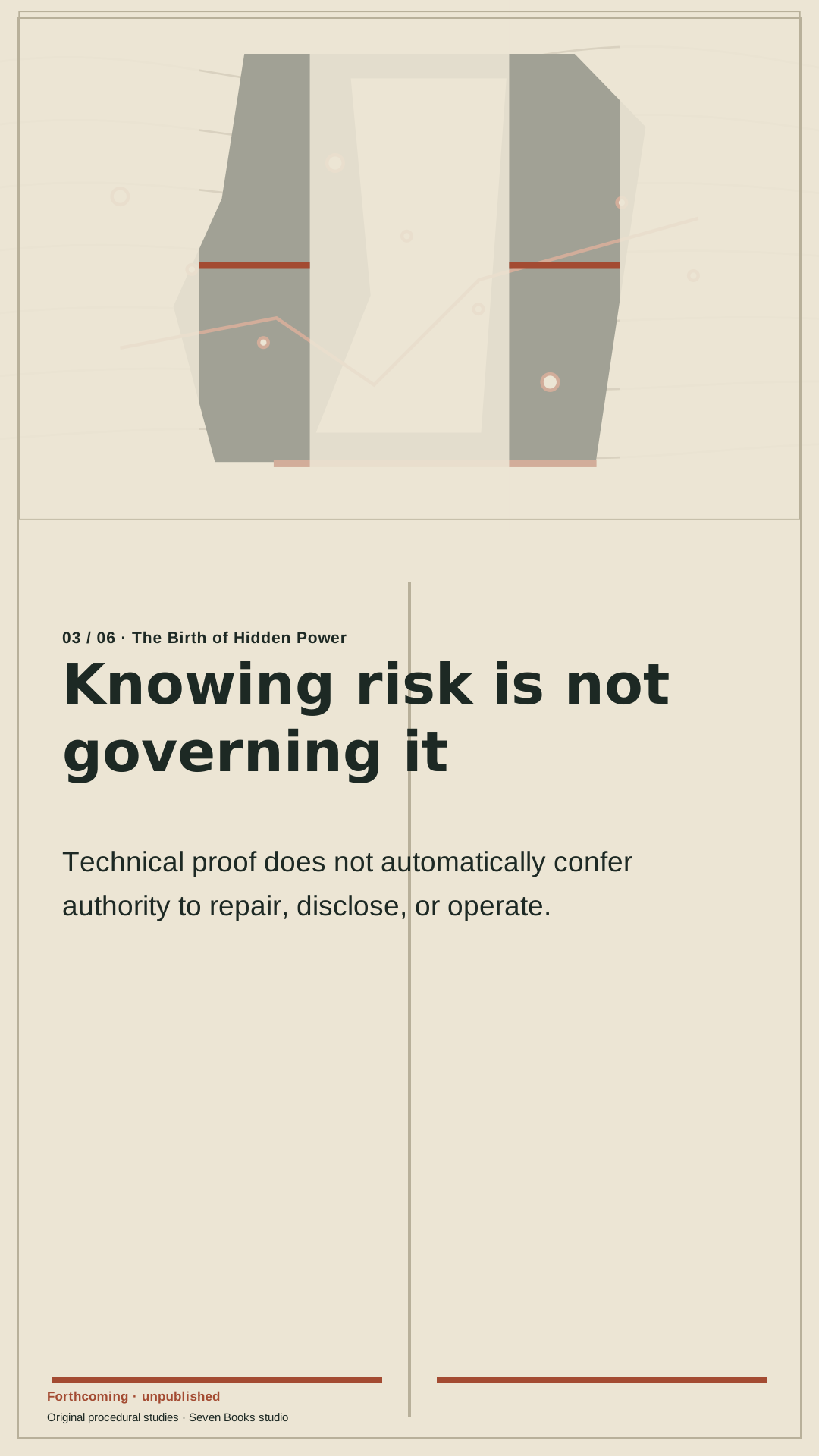
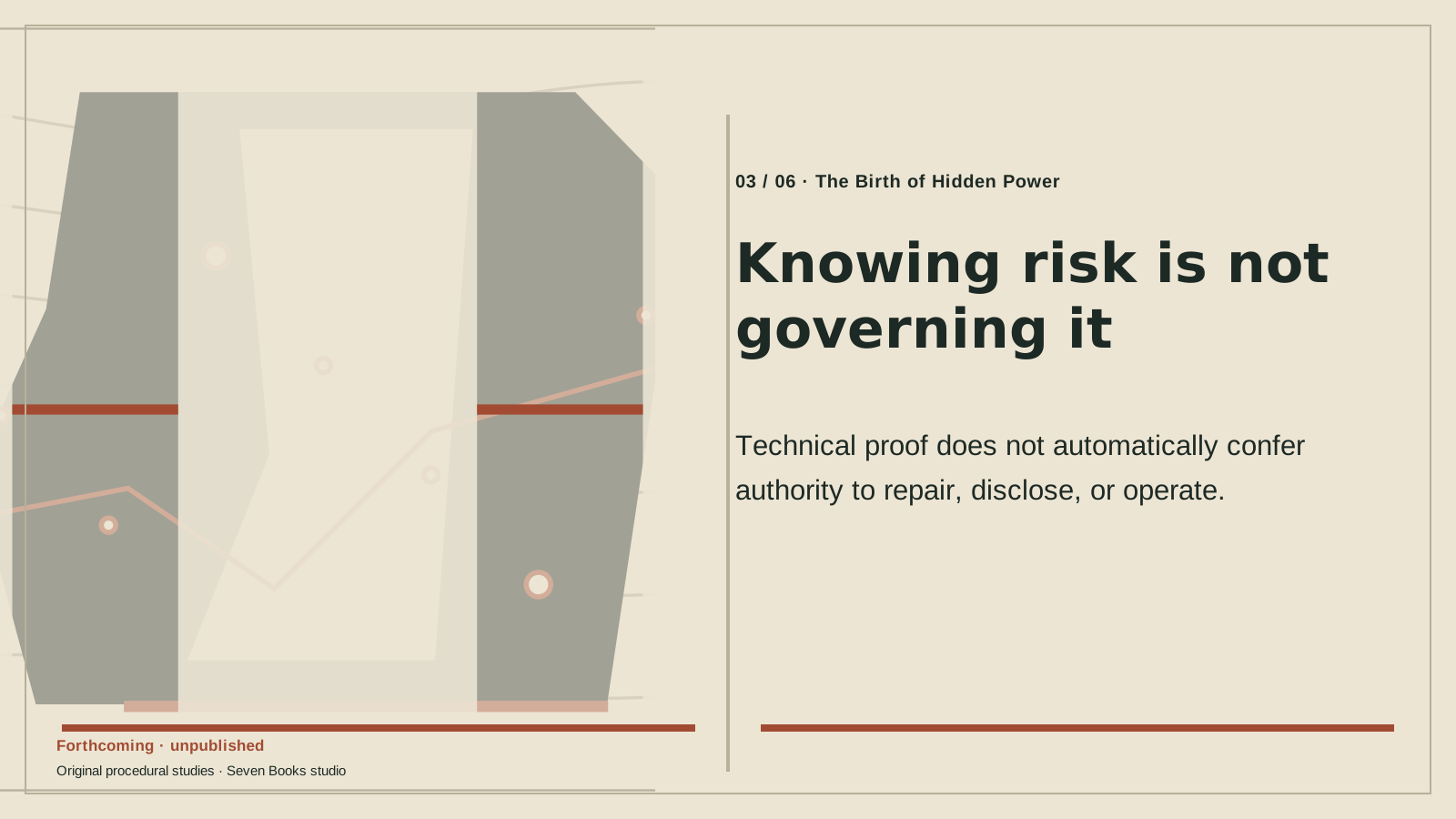
Knowing risk is not governing it
Technical proof does not automatically confer authority to repair, disclose, or operate.
Download SVG study ↓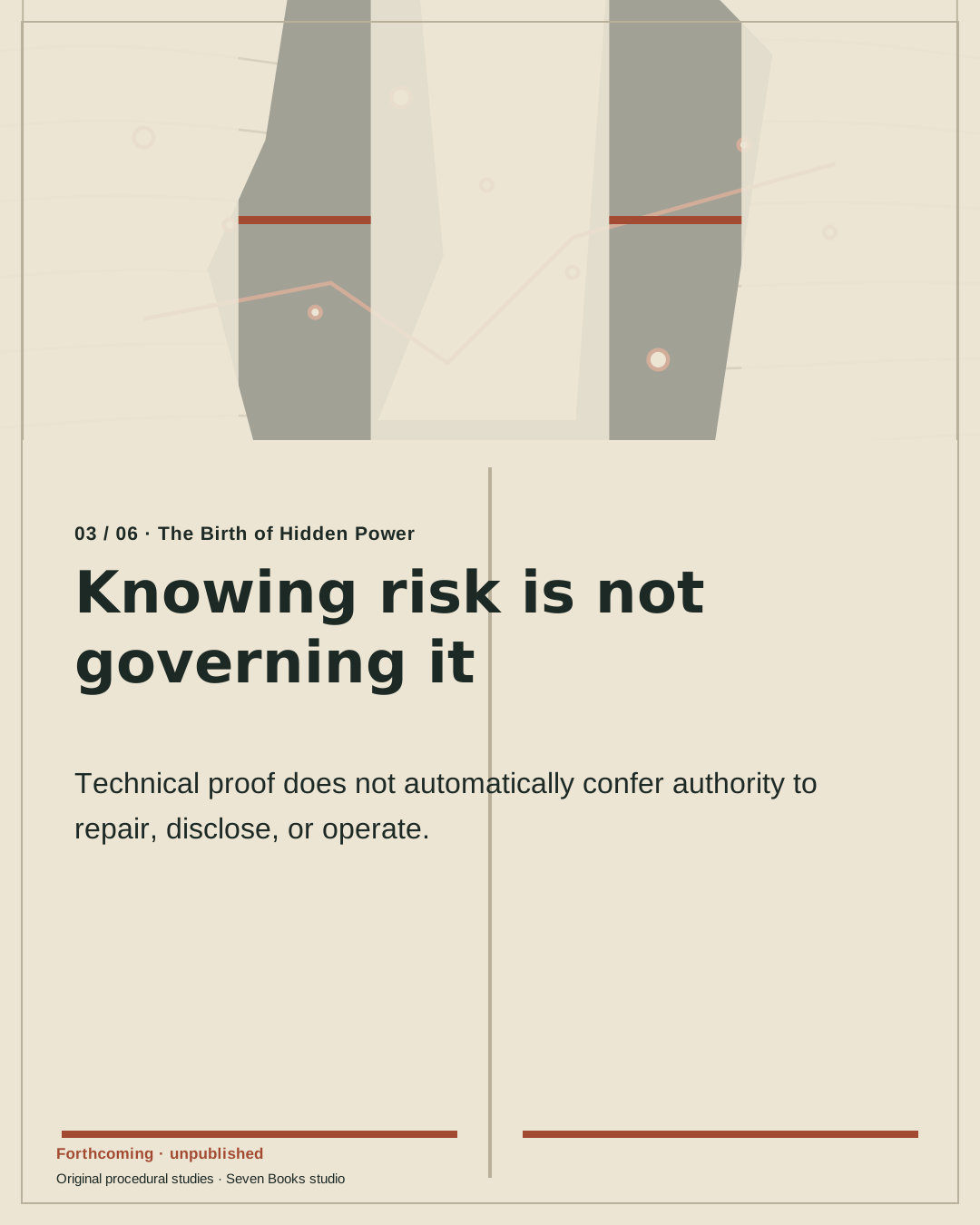
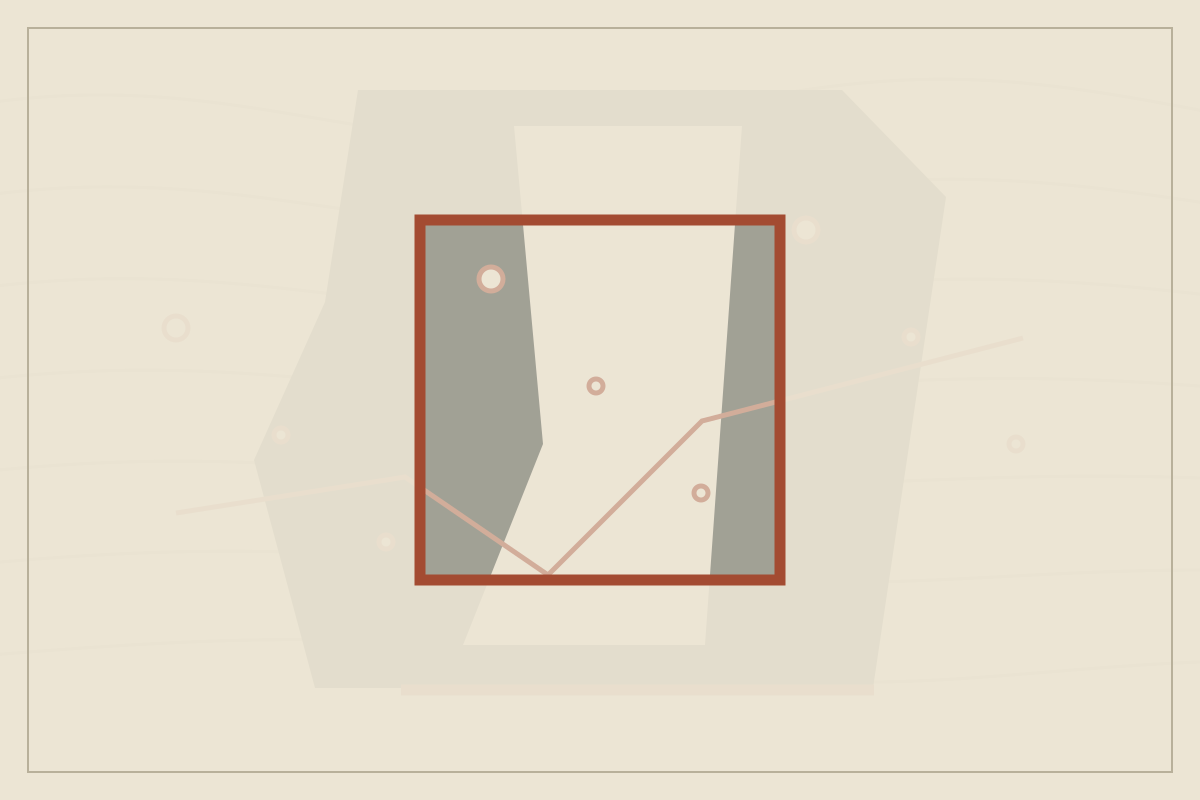
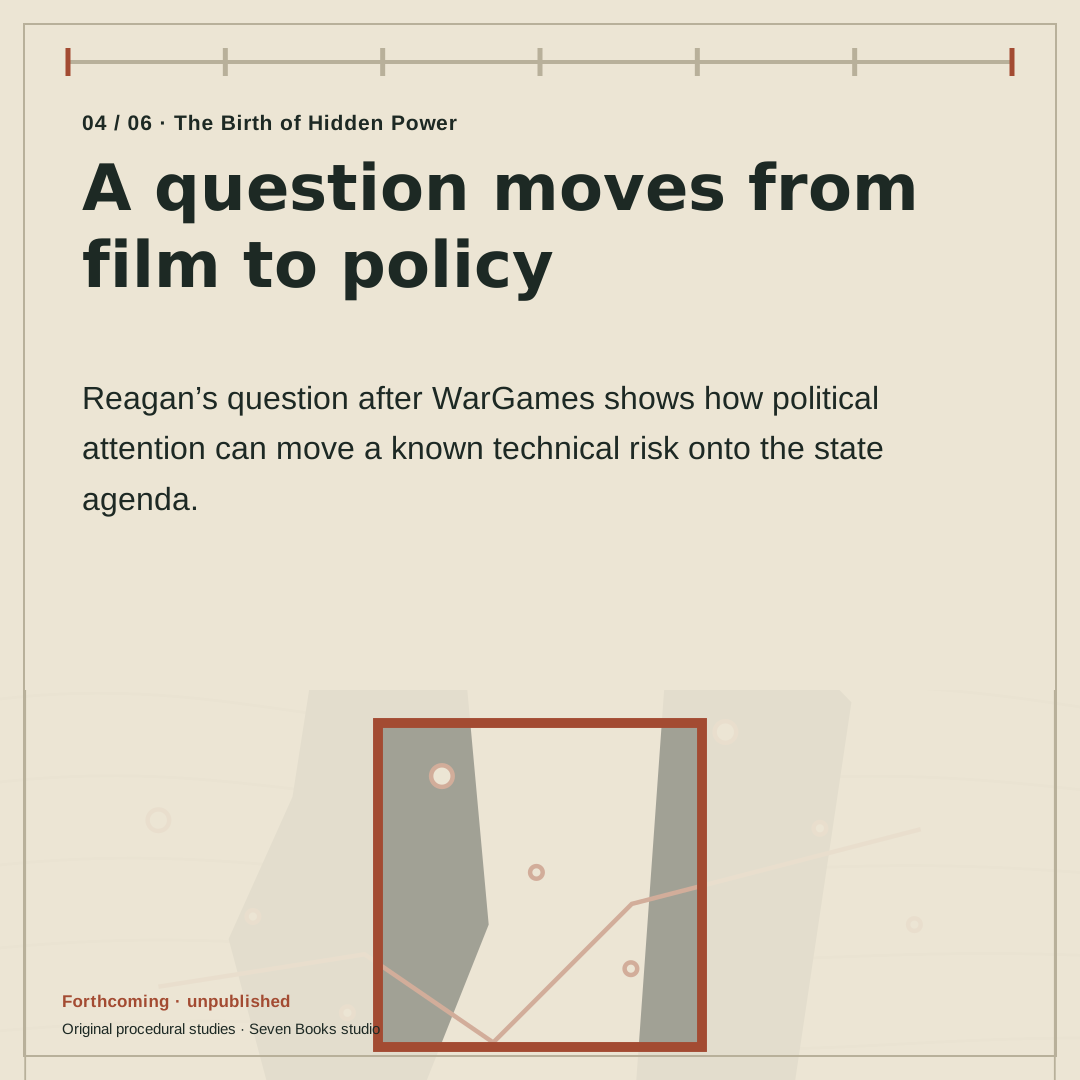
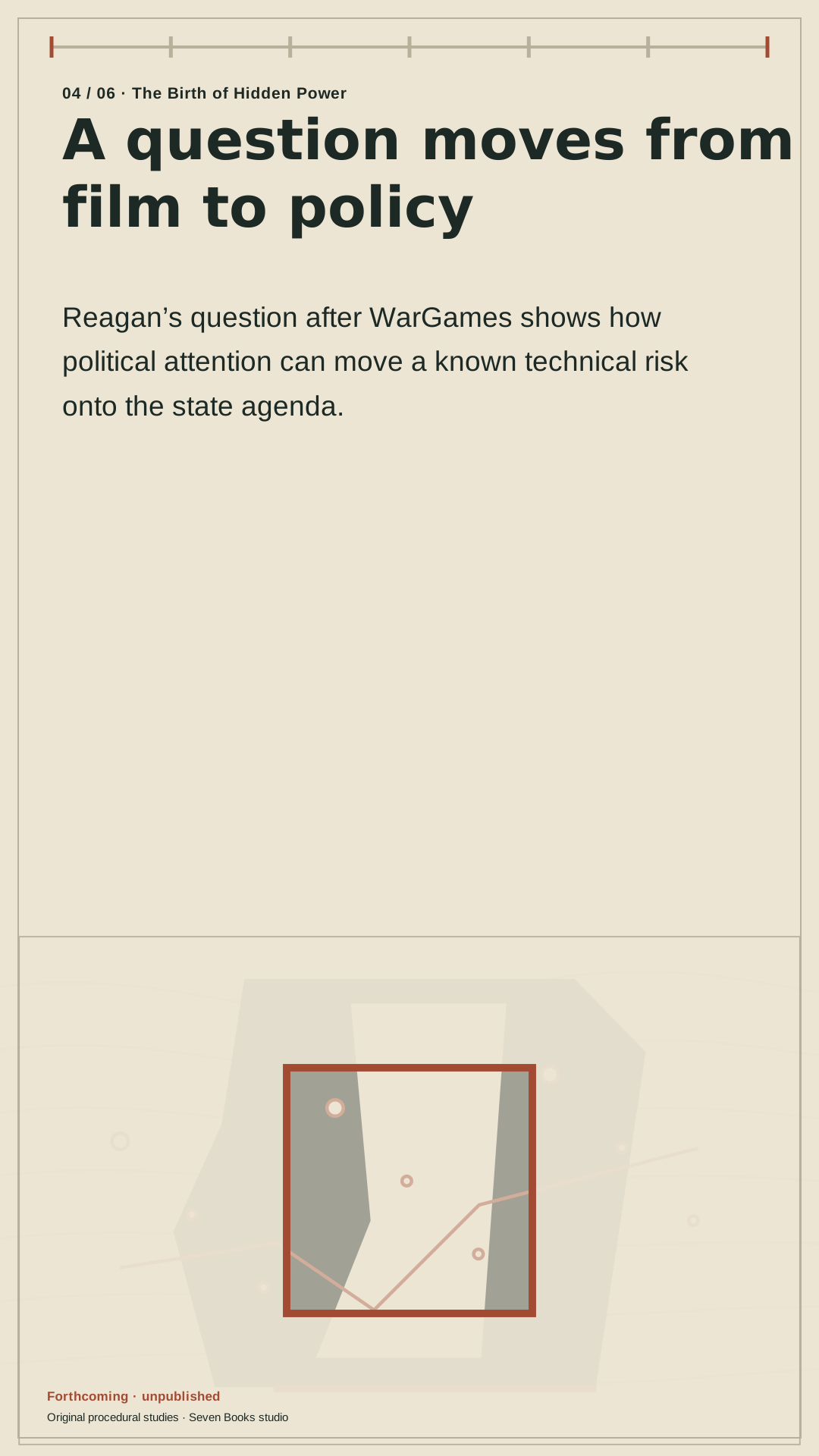
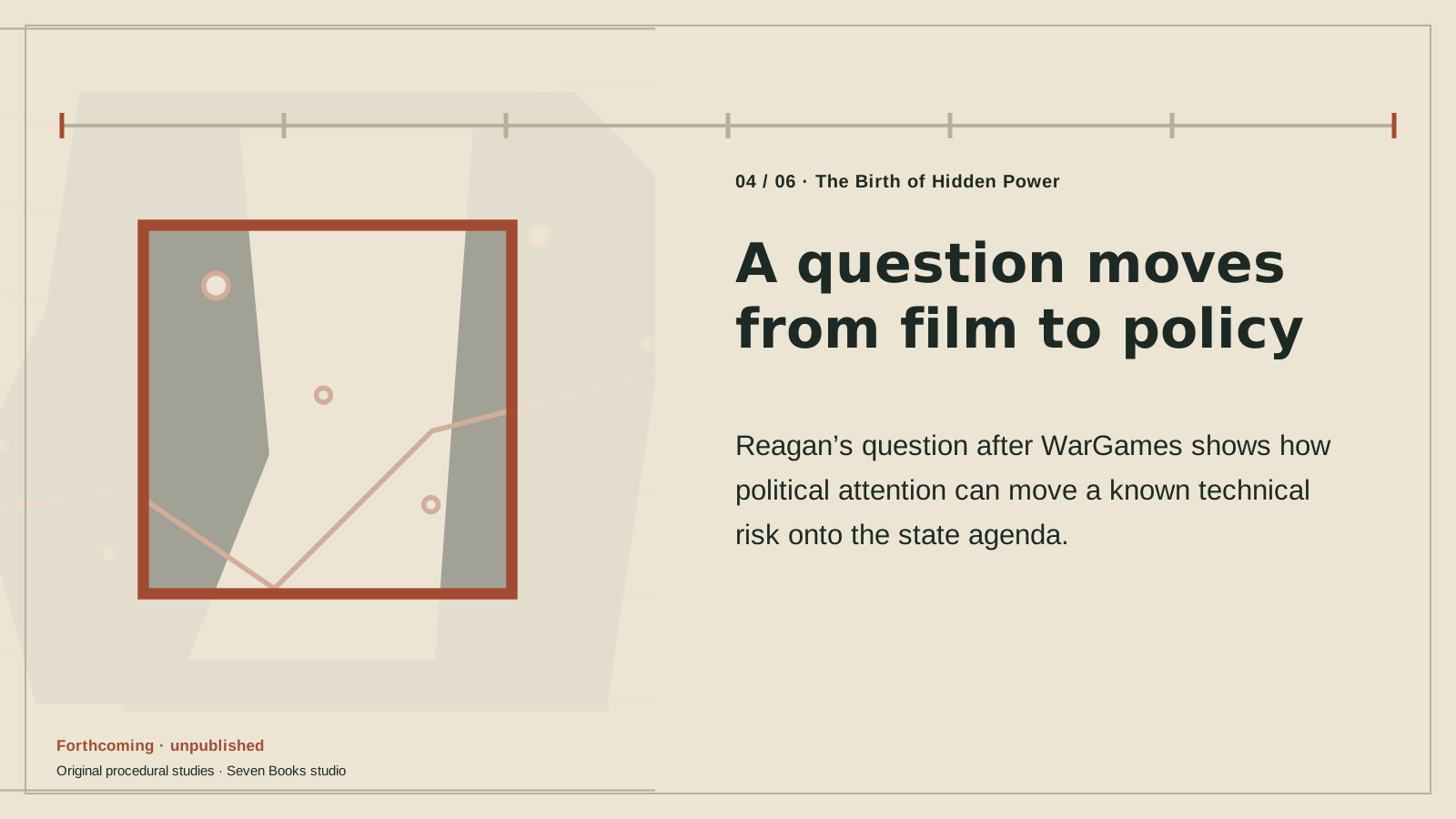
A question moves from film to policy
Reagan’s question after WarGames shows how political attention can move a known technical risk onto the state agenda.
Download SVG study ↓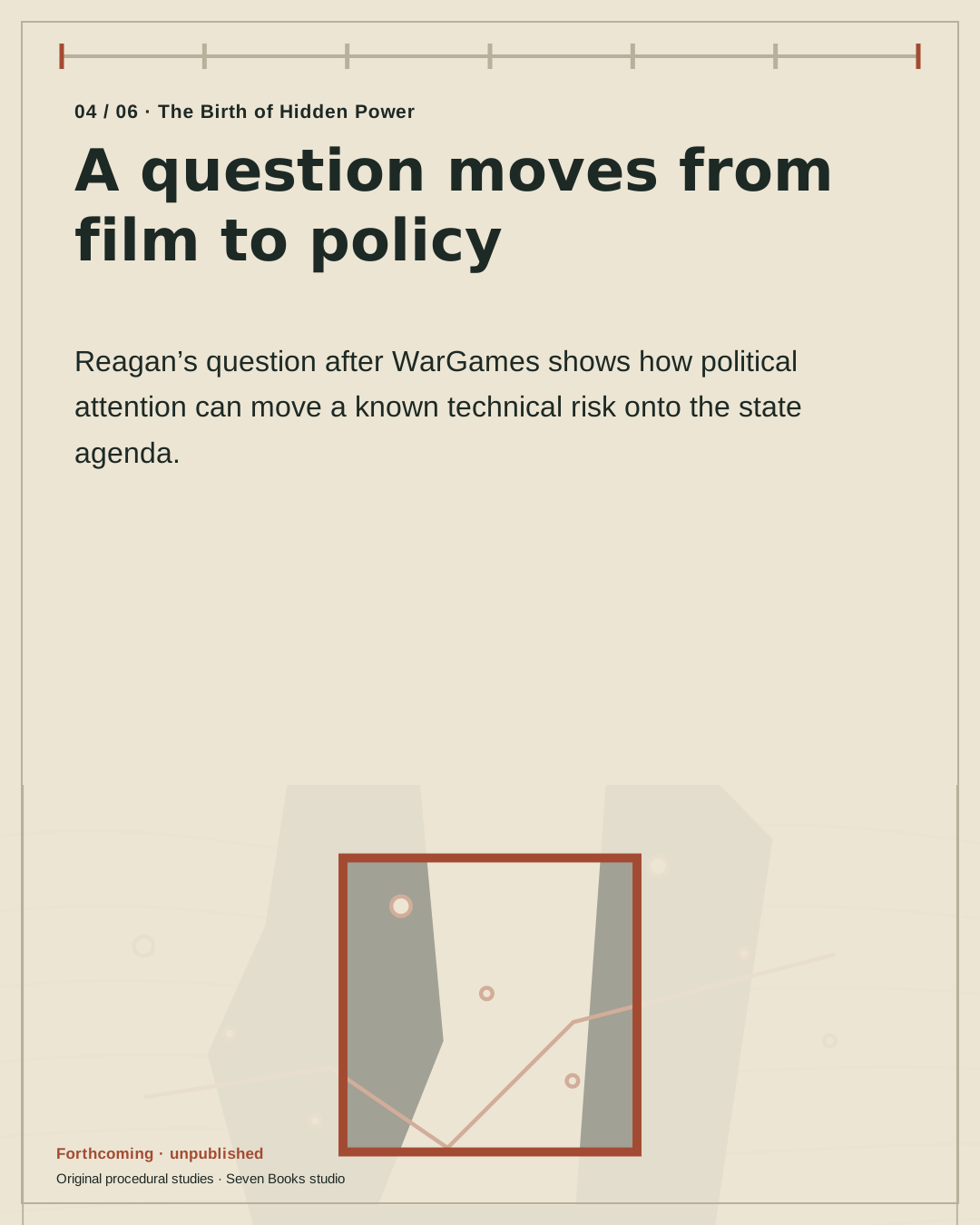
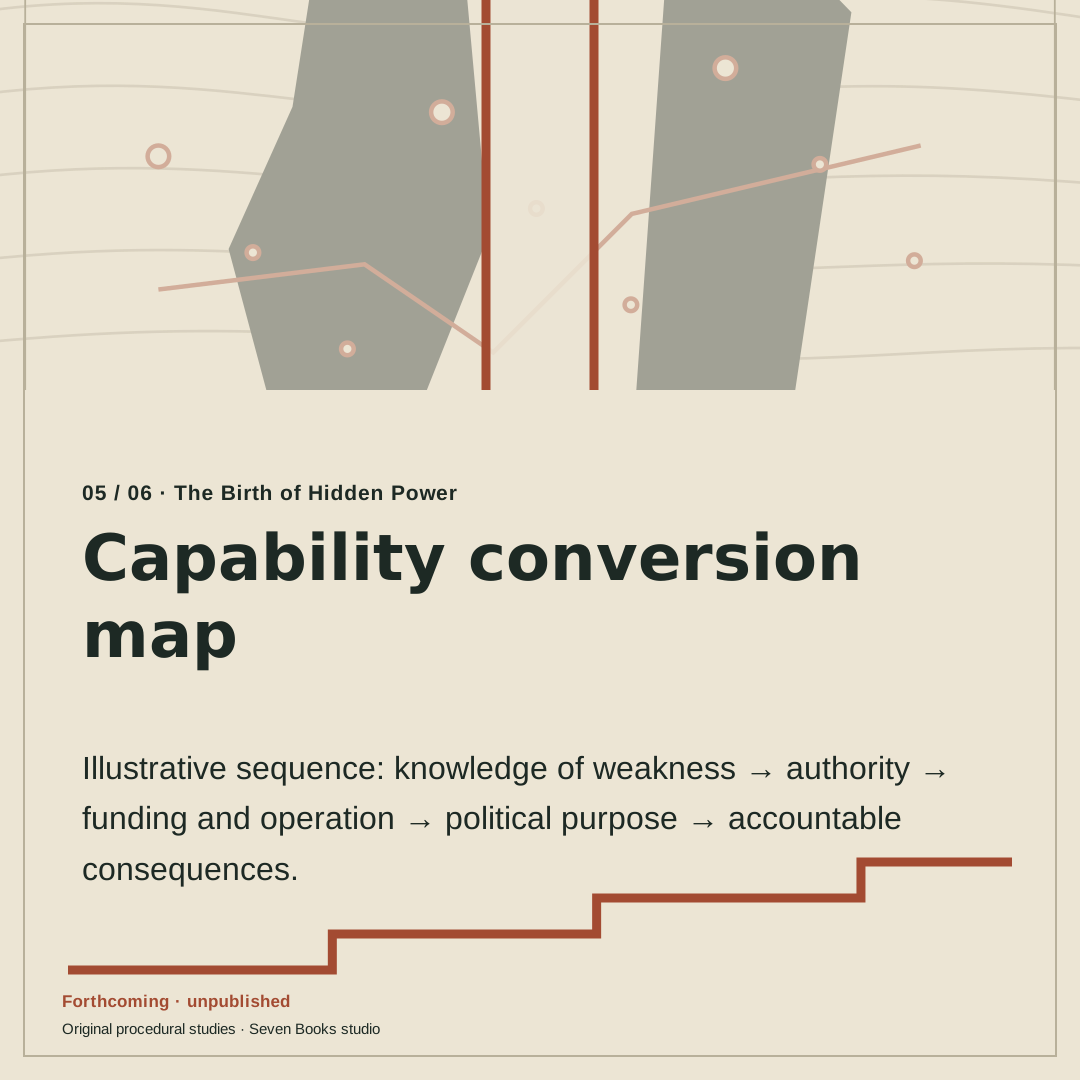
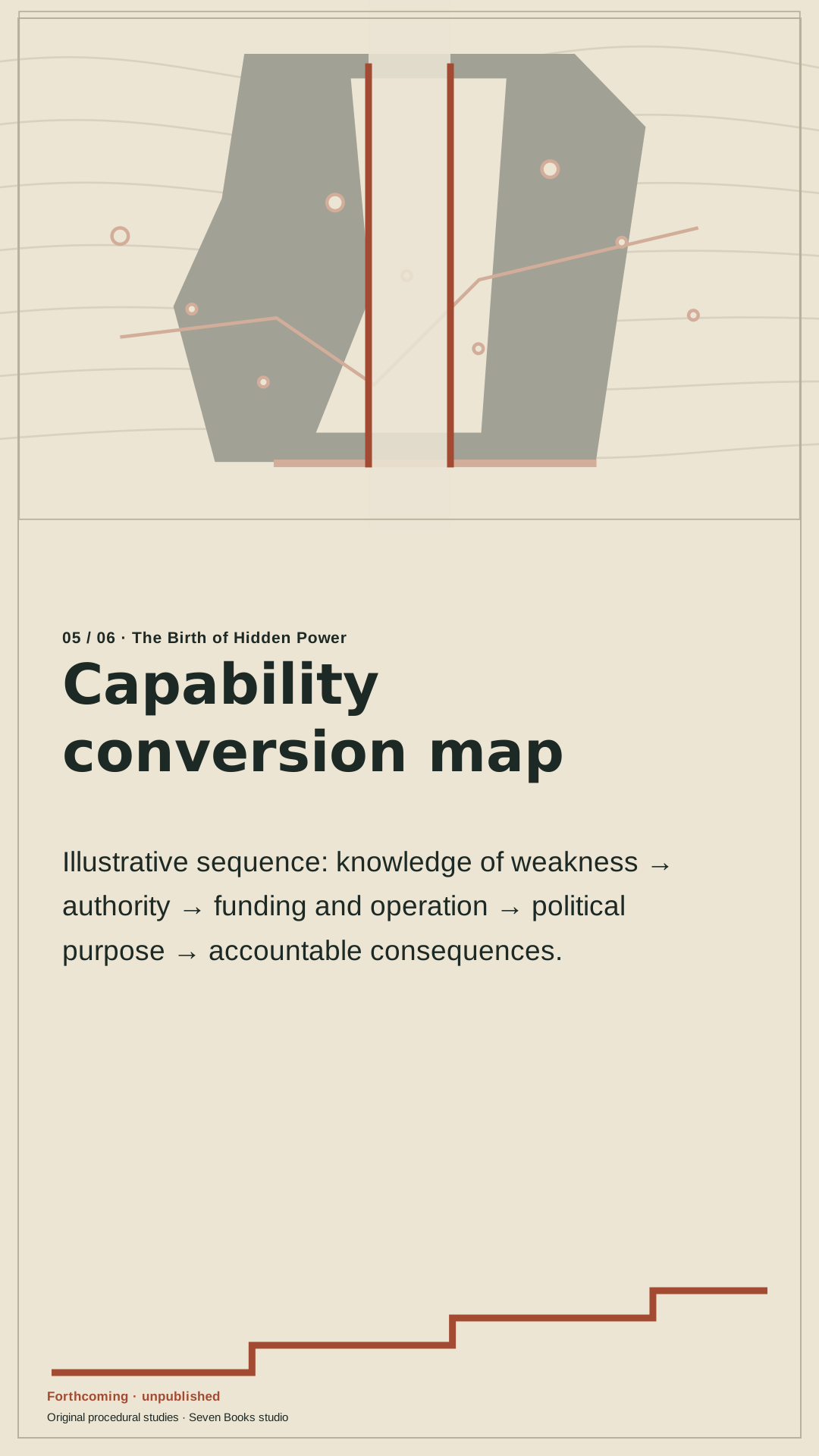
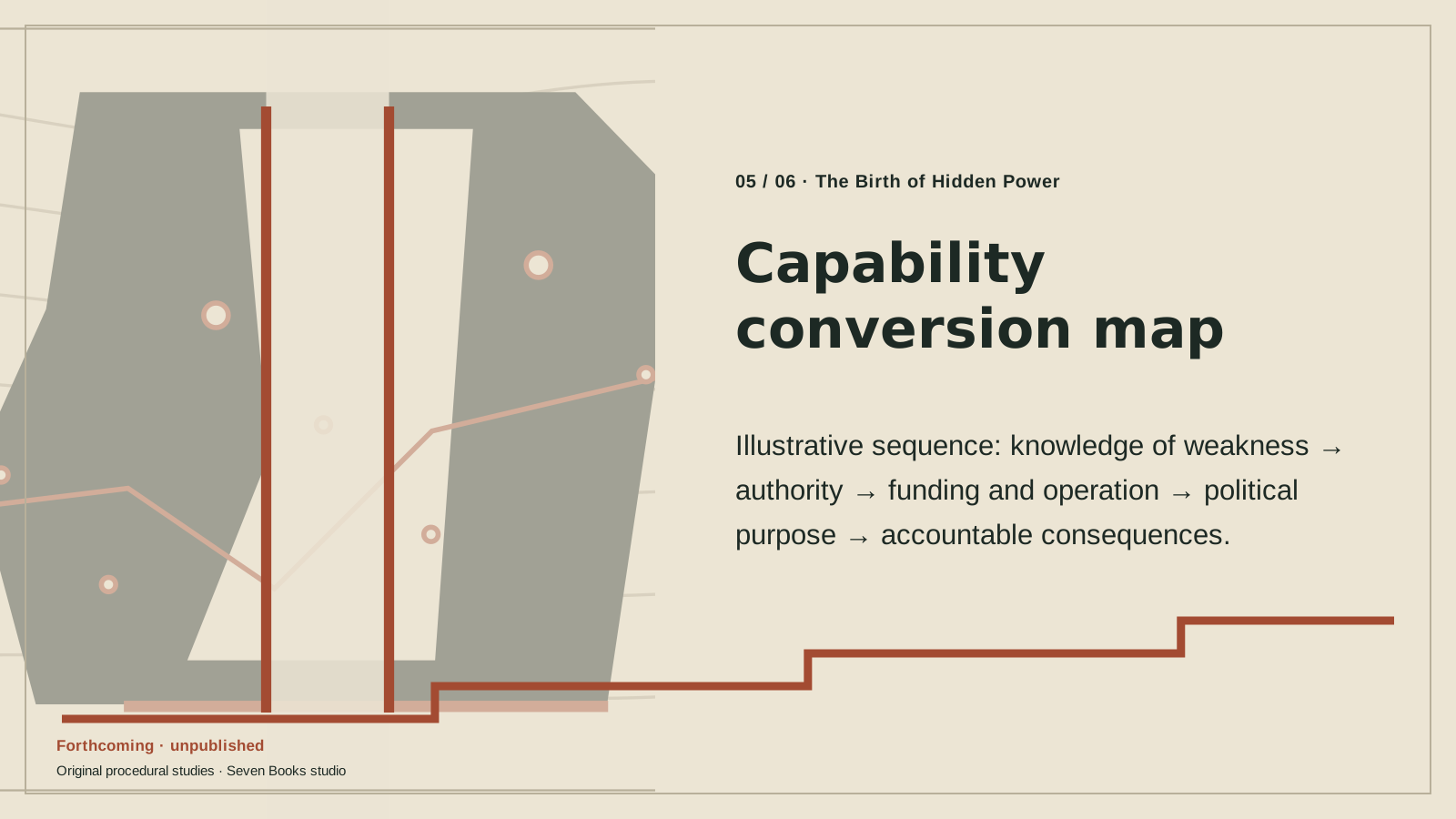
Capability conversion map
Illustrative sequence: knowledge of weakness → authority → funding and operation → political purpose → accountable consequences.
Download SVG study ↓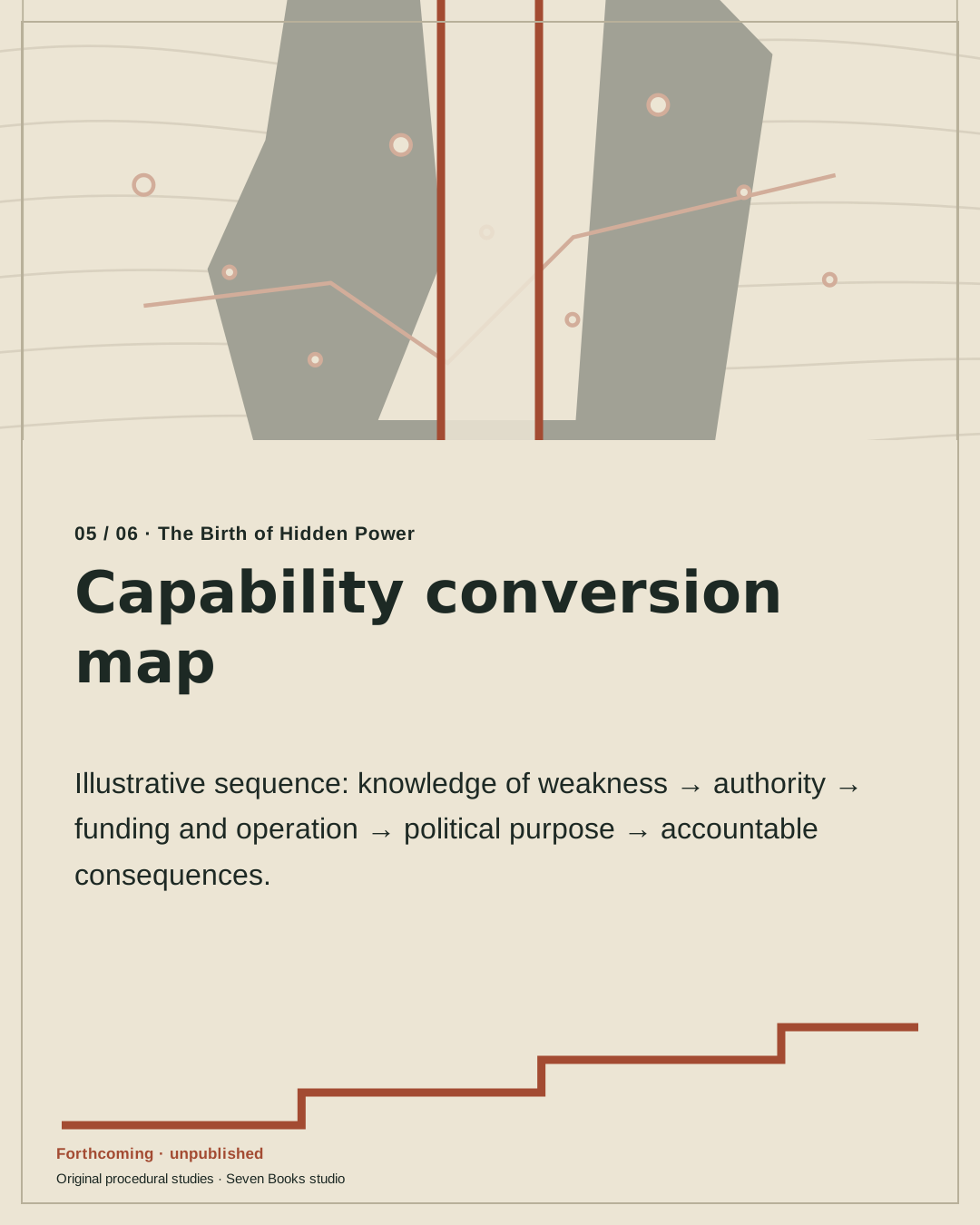

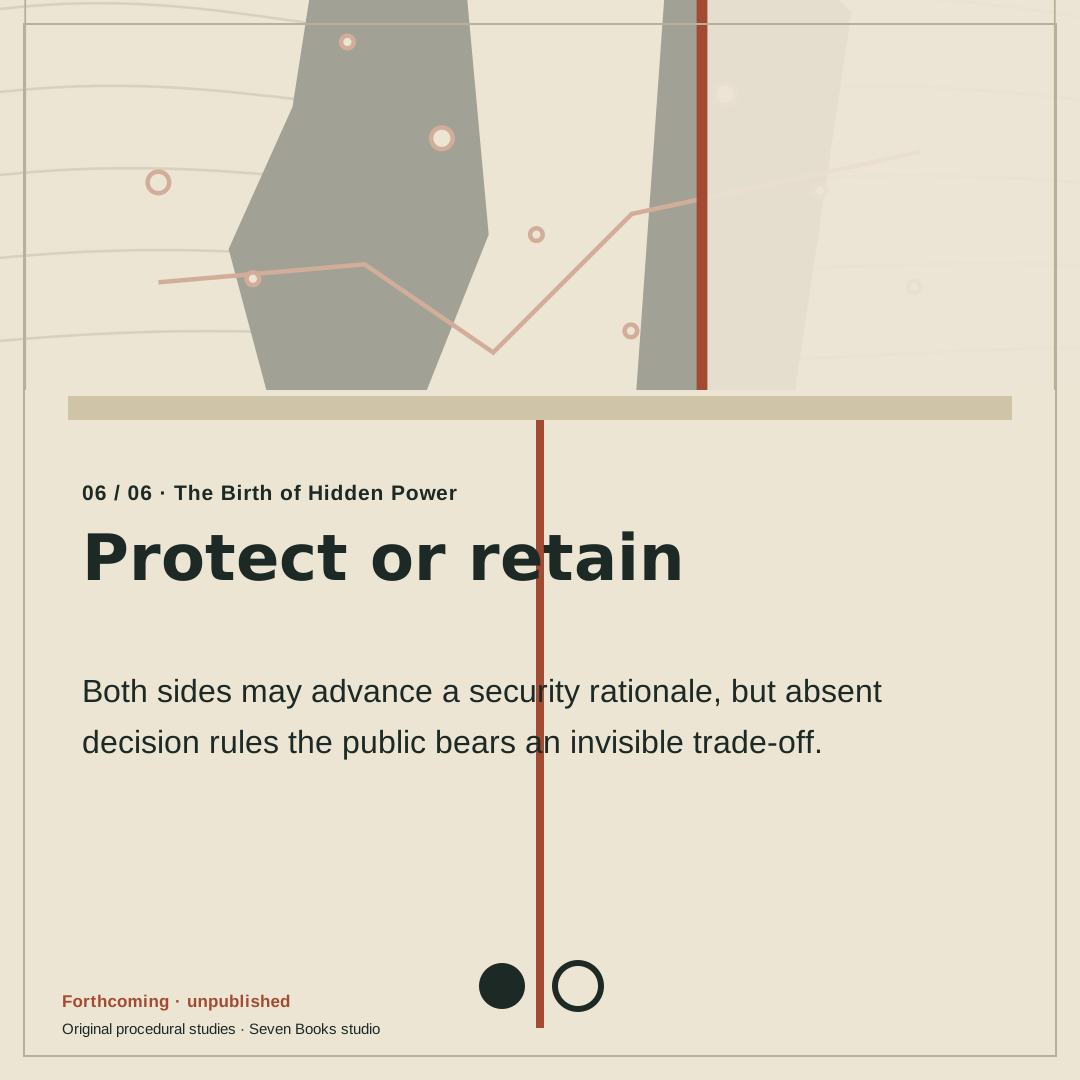
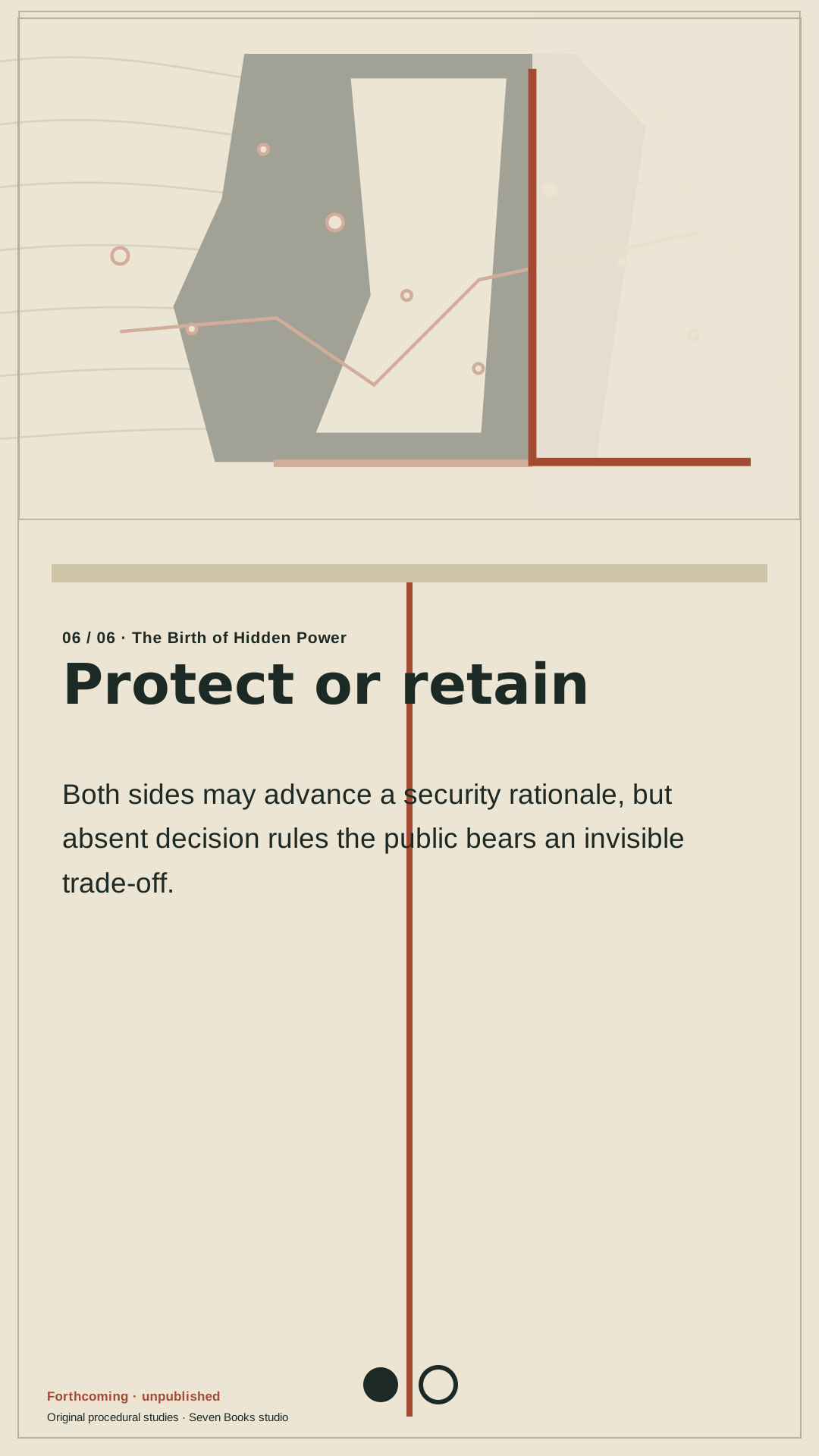
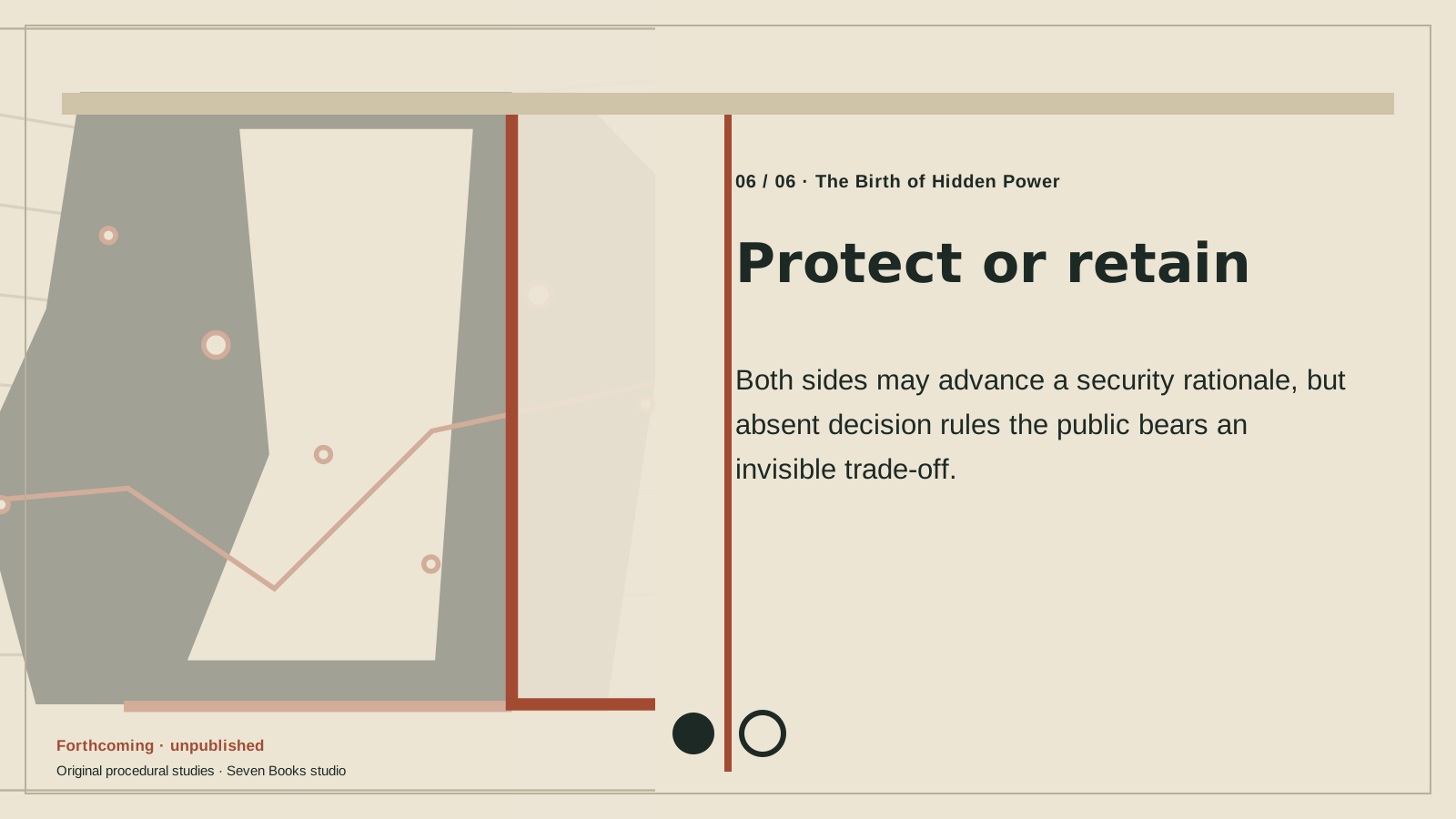
Protect or retain
Both sides may advance a security rationale, but absent decision rules the public bears an invisible trade-off.
Download SVG study ↓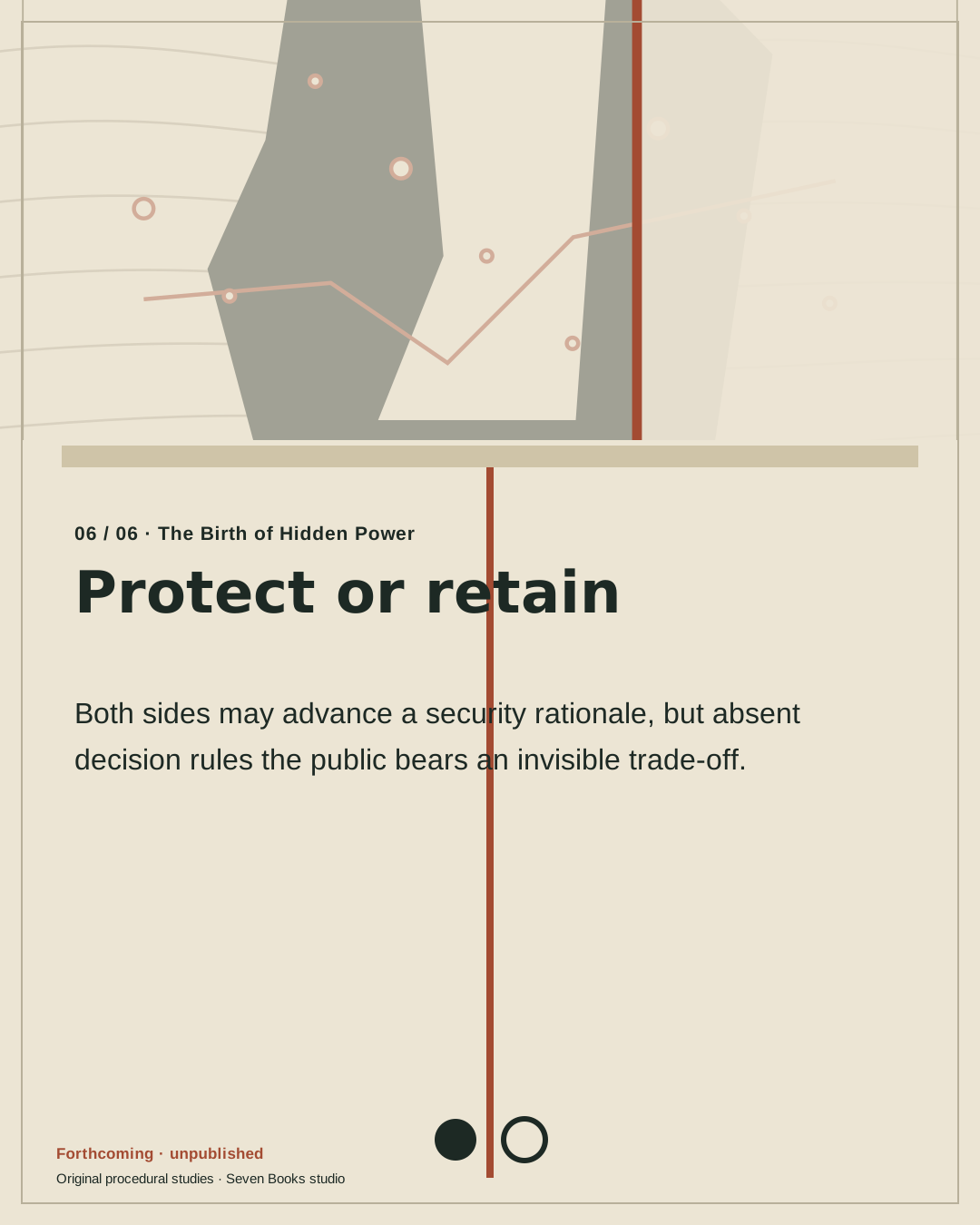
Original procedural studies · Seven Books studio · Project-original procedural geometry
Continue the question
The Age of Blowback
What happens when cyber capability enters a world where an operation’s effects do not stop at its intended target?
03Beyond the Breach
How can a state or institution remain secure when breaches cannot be ruled out and machines accelerate action while responsibility remains human?
05Hinges of Power
Does power lie in owning a resource, or in moving, stopping, and restoring it while a decision still matters?
JournalSecurity Is a Design Decision
Security becomes credible when access, friction, recovery, and accountability are designed around the harm at stake.
When the work becomes available
Choose the books you want to hear about. A confirmation email verifies your address before any release notice is sent.
Publication notifications are not open yet. No address is collected here.
Privacy and consent ↗