The Age of Blowback
From Proliferating Capability to Weapons Rebounding Through a Connected World
What happens when cyber capability enters a world where an operation’s effects do not stop at its intended target?
A lens for distinguishing operational purposes and tracing consequences across the dependencies linking states, firms, and societies.
An invitation to readA thought you can test
Illustrative model · invented inputs, not evidence or a prediction.
The target is only the beginning
Follow one illustrative interruption through a chain of dependencies.
- 1Software supplier
A shared update path becomes unavailable.
- 2Operations
Dependent operations cannot complete their work.
- 3Logistics
Scheduling and delivery lose a required input.
- 4Public service
People outside the original target encounter the interruption.
A dependency path explains how consequences might travel. It does not predict their scale, timing or probability.
- Software supplier — A shared update path becomes unavailable.
- Operations — Dependent operations cannot complete their work.
- Logistics — Scheduling and delivery lose a required input.
- Public service — People outside the original target encounter the interruption.
An invitation to read
This volume moves from the formation of cyber capability to its use. It resists collapsing espionage, theft, coercion, sabotage, and influence into one label. Similar access methods can serve different purposes and produce different legal and political consequences. Analysis begins by separating what an actor may have wanted, what it did, and what effect can actually be established.
The inquiry crosses distinct state strategies and then stays with Ukraine as a setting in which attackers and defenders learn through prolonged campaigns. It moves from files to industrial controls, and from an isolated server to the worker, household, or service affected by failure. War is not a catalogue of malware here; it is a change in people’s and institutions’ capacity to operate, trust, and recover.
Blowback becomes clearest when tools escape or destructive code travels through supply chains and dependencies its operator cannot fully map. Geography offers less protection when systems share a fate: a distant firm can suffer through a common operational layer. The book therefore locates risk in distributed dependency as well as attacker capability, and asks what must keep working when perfect prevention is impossible.
Anatomy of the argument
An analytical reading of the supplied brief. These stages are not manuscript chapter titles.
- 01
Classify the operation’s purpose
Separate espionage, theft, coercion, sabotage, influence, and preparation for conflict before deciding what a case demands.
- 02
Strategies without one template
Read different state cases through goals and context rather than treating every activity as proof of a single fixed doctrine.
- 03
A field that learns
Follow prolonged campaigns, industrial systems, and reciprocal learning while keeping human consequences in the frame.
- 04
The weapon leaves its store
Trace how copied tools and compromised supply chains outgrow the first target and expose shared global dependencies.
Concept laboratory
Purpose before tool
A common means of access does not make espionage, sabotage, and influence the same act.
Dependency blowback
Harm travels through shared services, suppliers, and operating relationships to parties that were never direct targets.
Shared-fate map
An illustrative model starts with a critical function and traces identity, cloud, connectivity, and suppliers that can enlarge its failure domain.
Illustrative model · invented inputs, not evidence or a prediction.Effects beyond the device
System failure matters when it changes a service, job, decision, or relationship of trust on which people rely.
Visual library
Original conceptual studies. Covers are proposals; captions are editorial writing, not manuscript quotations.
The Age of Blowback
What happens when cyber capability enters a world where an operation’s effects do not stop at its intended target?
Download SVG study ↓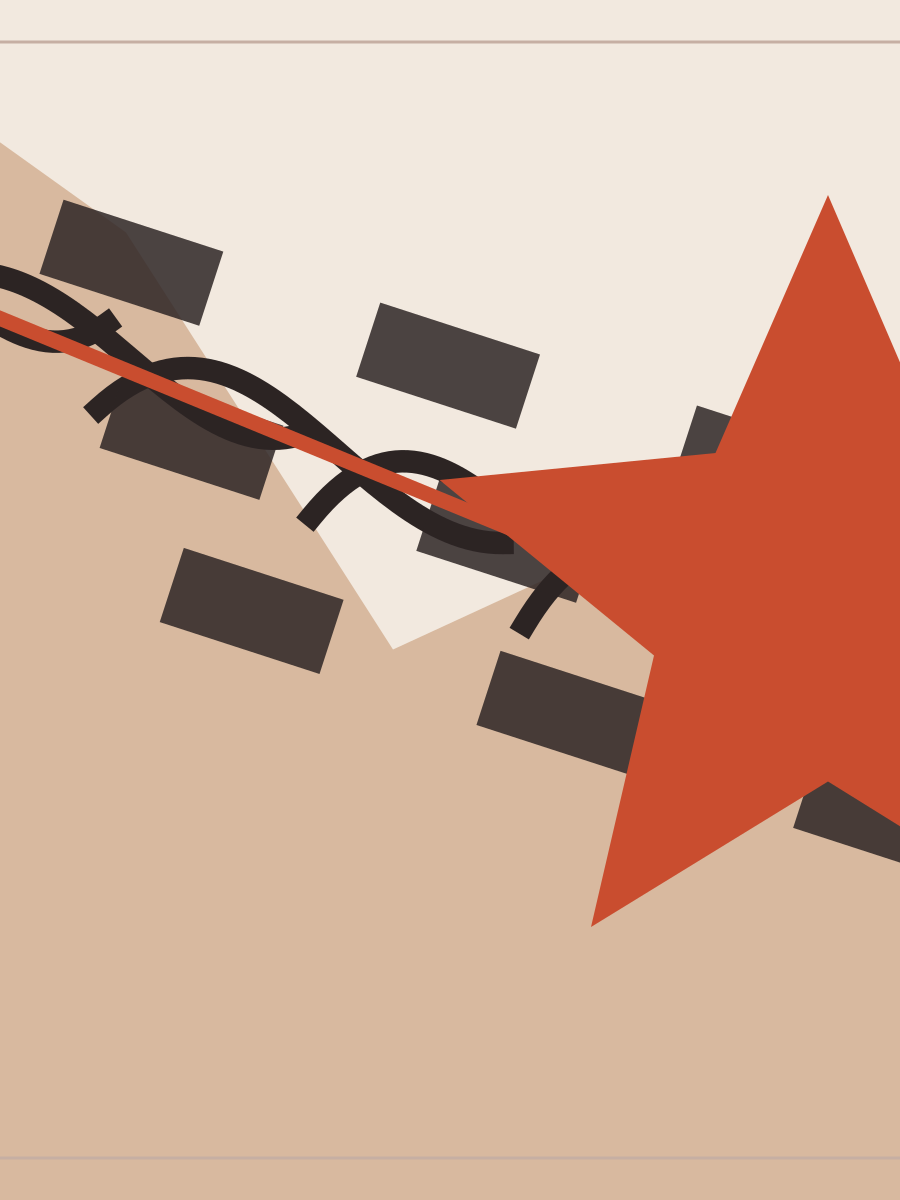
A lens for distinguishing operational purposes and tracing consequences across the dependencies linking states, firms, and societies.
Download SVG study · 2:1 ↓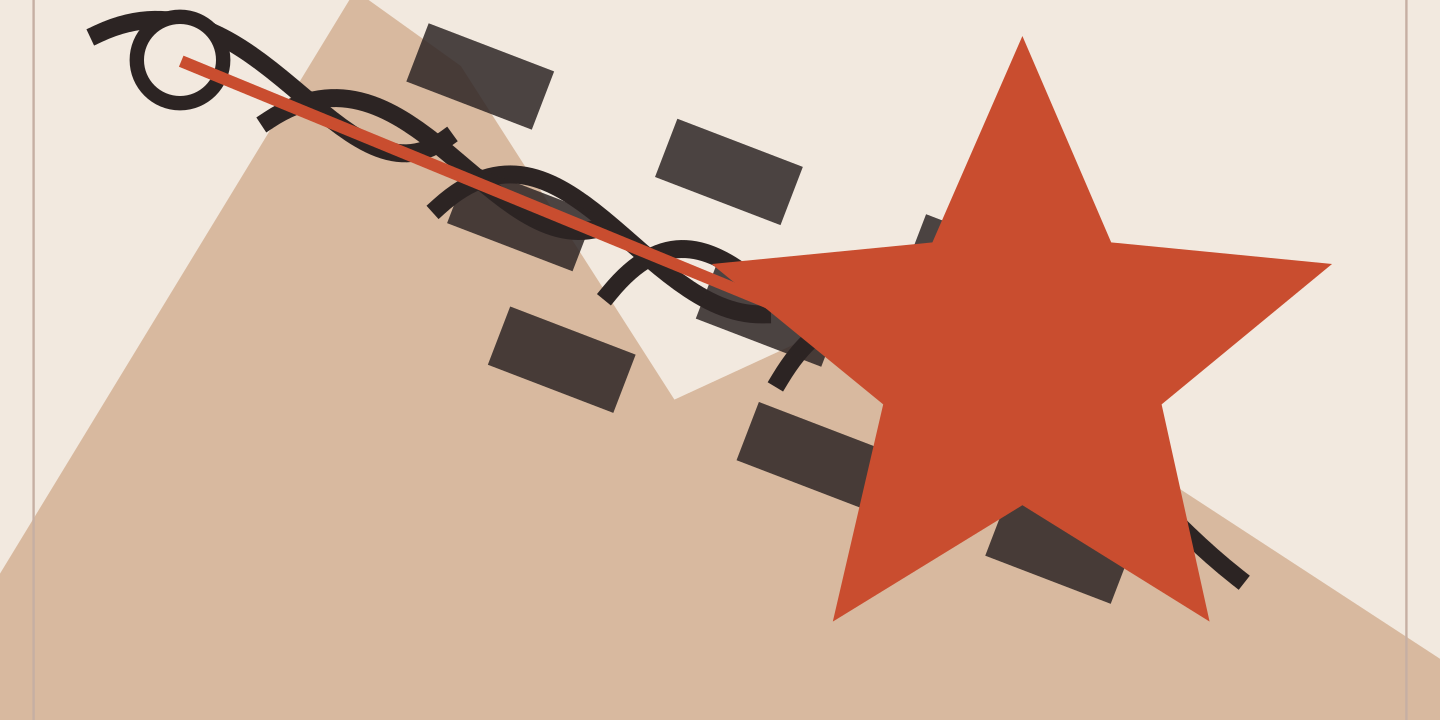
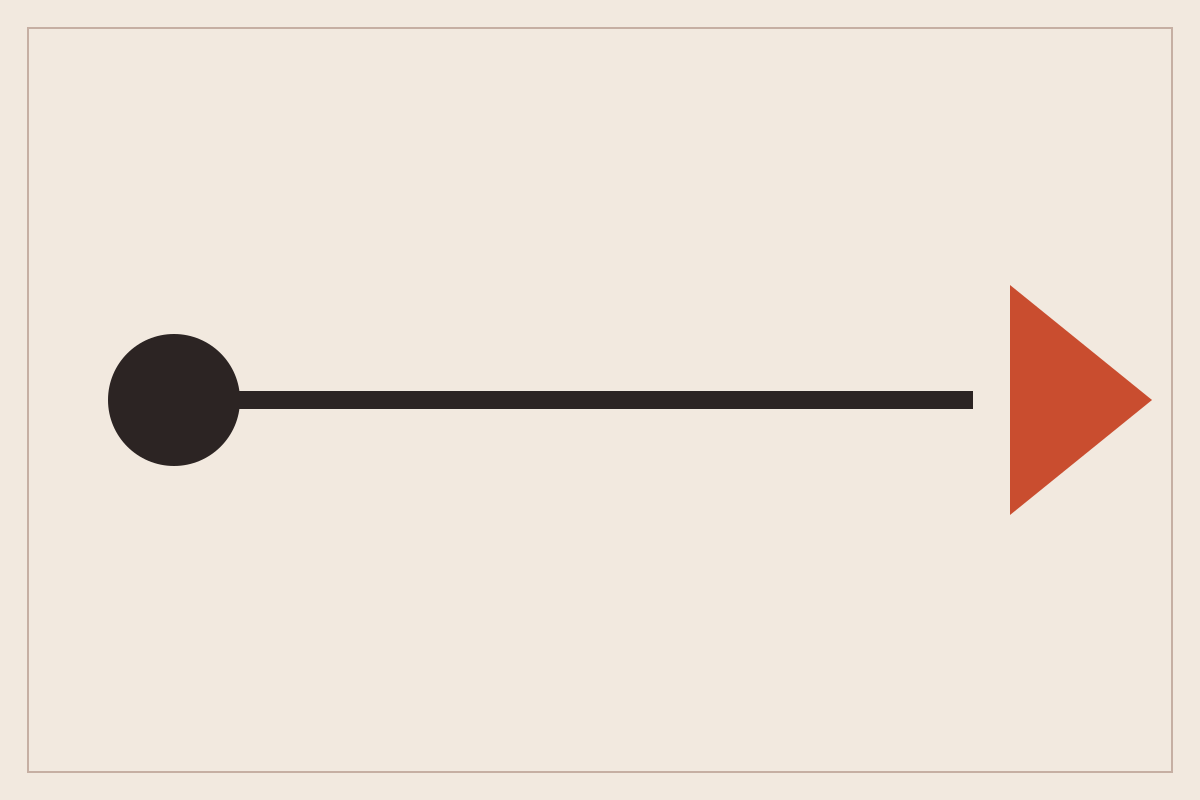
An act enters a network of dependencies
An effect does not begin in empty space. It enters an environment linking software, operations, and services, and those links shape where it can travel after the starting point.
Download SVG study ↓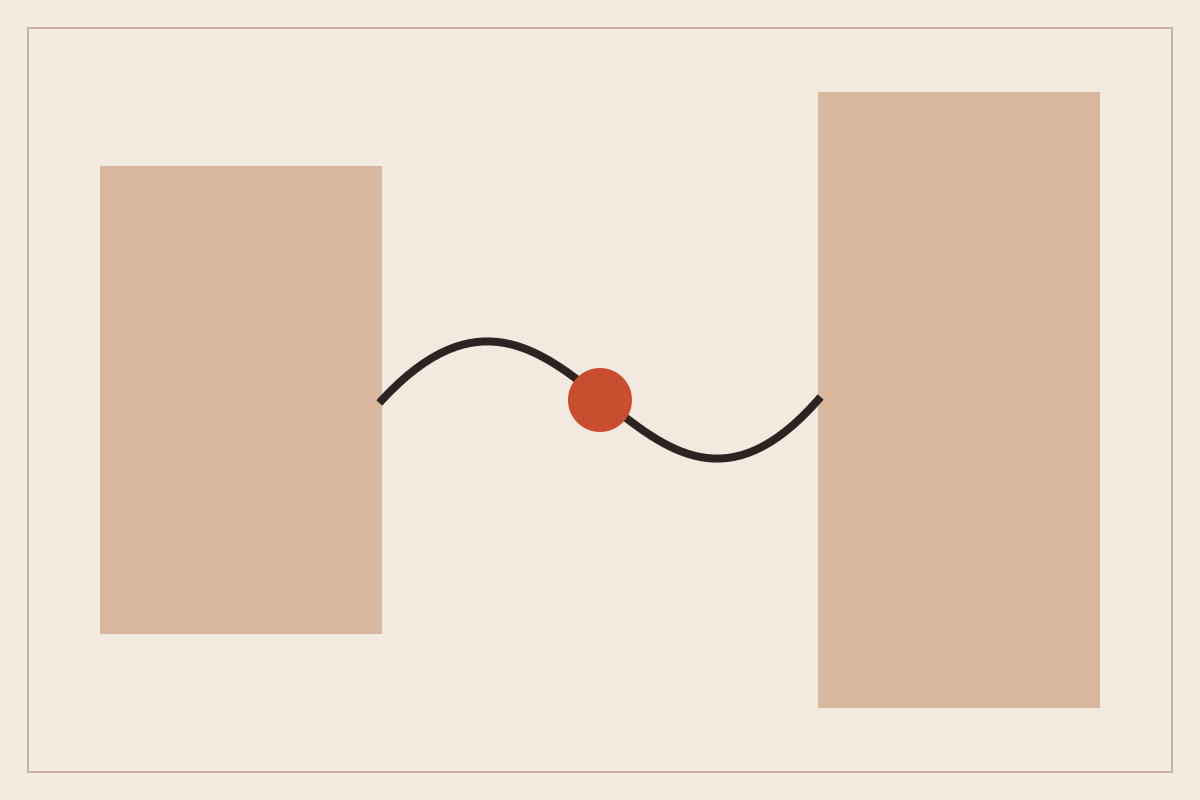
The first effect is not the whole outcome
The disruption nearest the origin is the most visible result, but it cannot describe what reaches the parties that rely on it. Separating the first order prevents the chain from being reduced to its opening moment.
Download SVG study ↓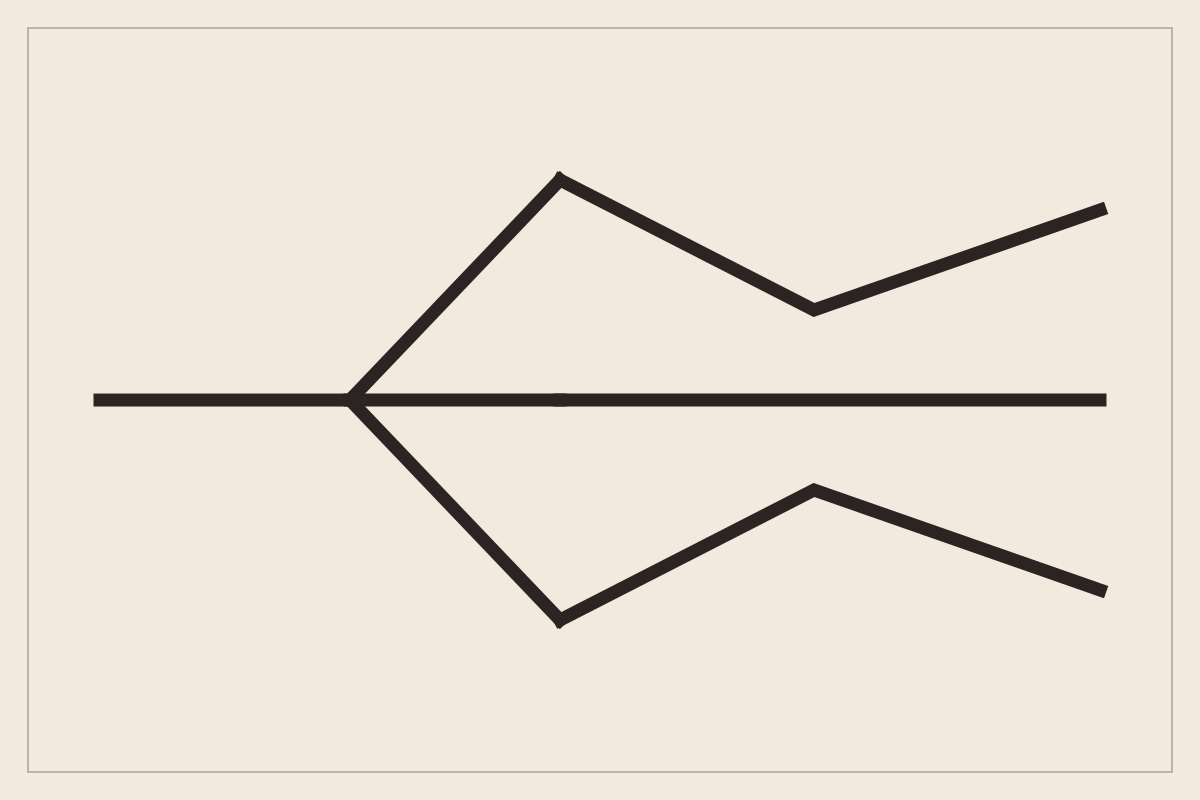
When dependence compounds consequence
An interruption moves from one function to another because each link requires the one before it. The path does not establish scale or probability; it shows one mechanism by which effects may spread.
Download SVG study ↓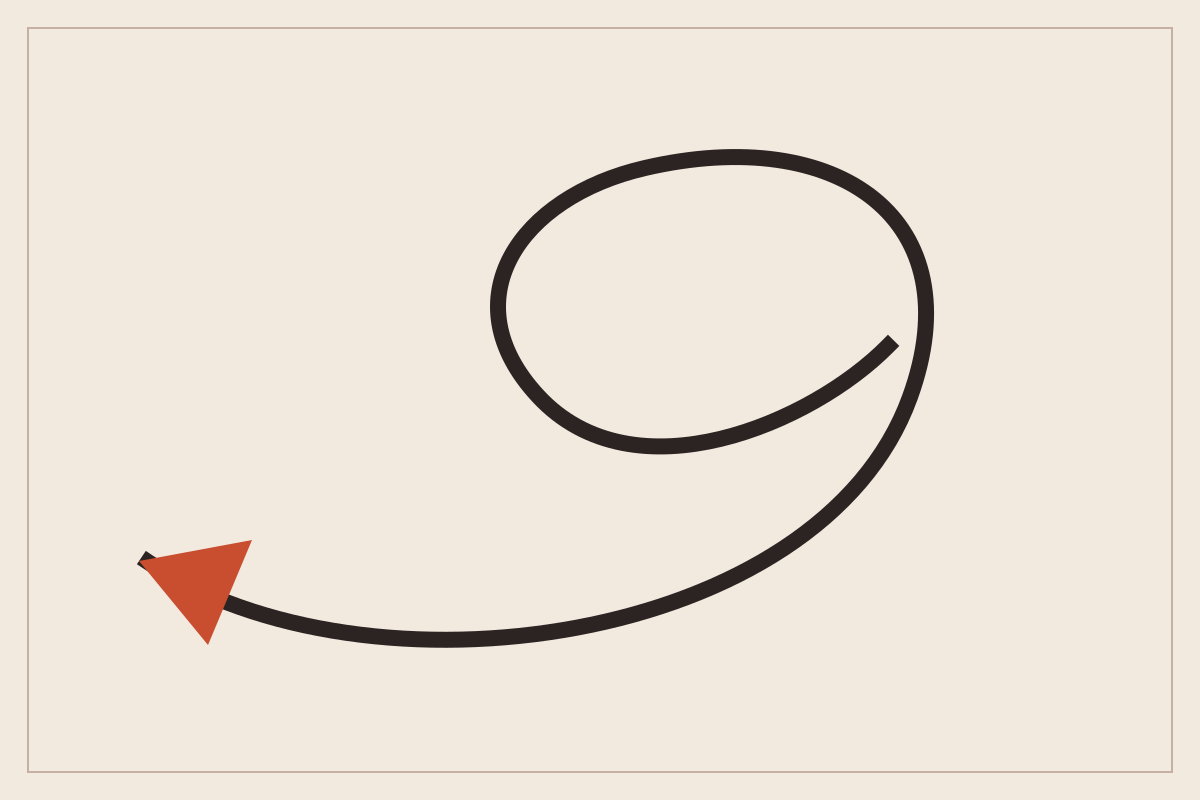
A delayed return by another route
An effect may surface later in a market, service, or partner outside the first target. Here, blowback follows interconnection; it need not return to the initiator in the same form.
Download SVG study ↓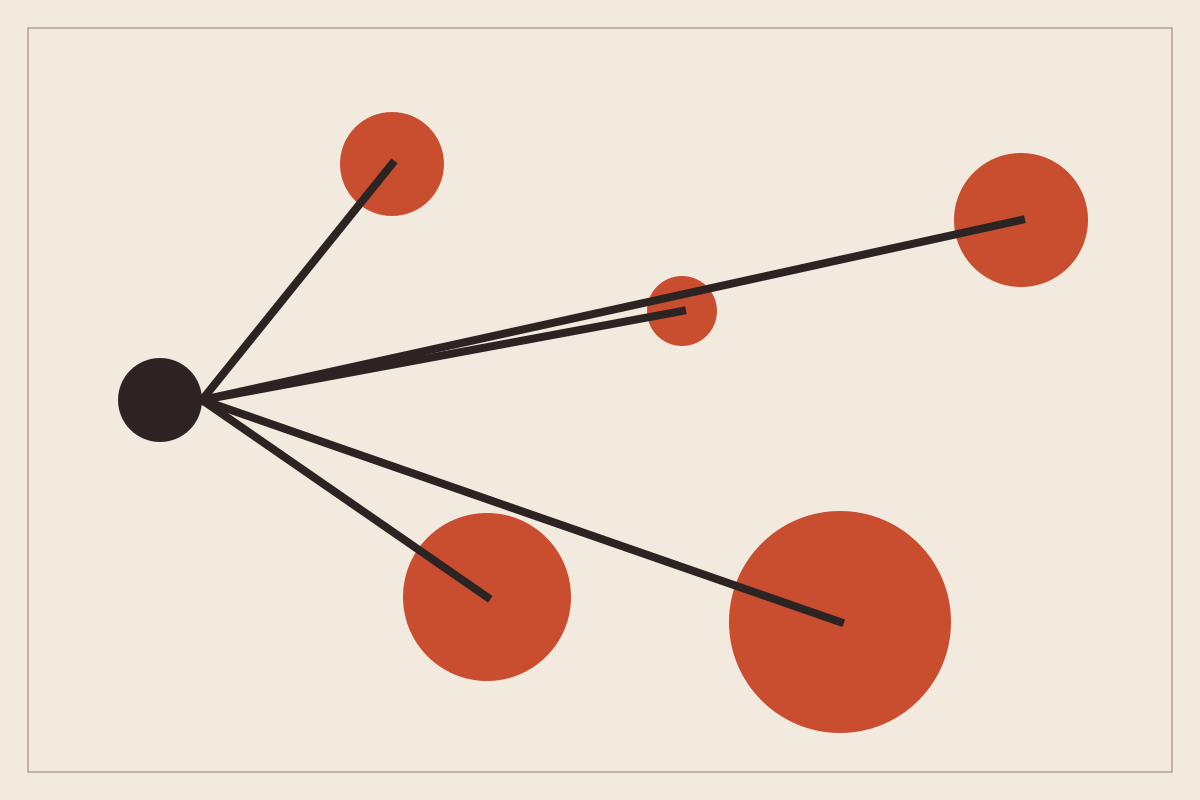
Consequences are distributed unevenly
Parties in the same chain face different disruptions according to their dependence, alternatives, and capacity to recover. Sharing an incident does not give them the same experience of it.
Download SVG study ↓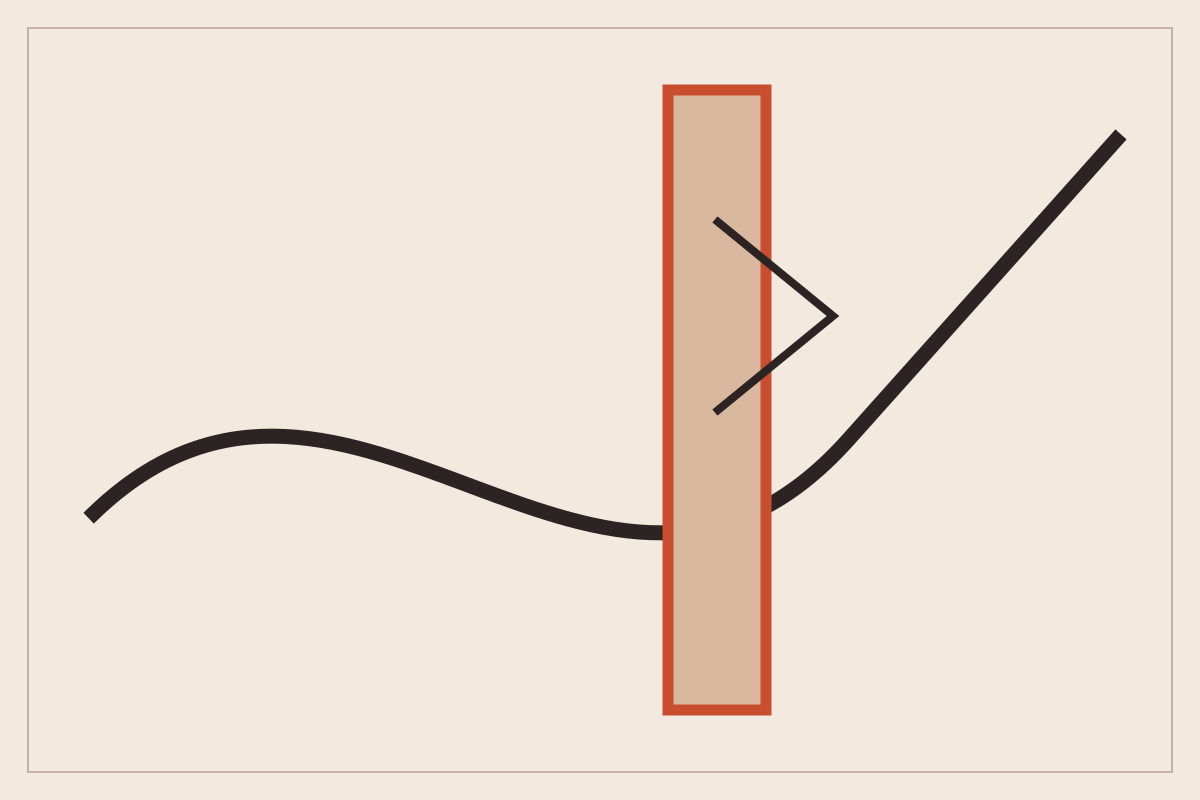
An intervention point before impact widens
The study asks where a path can be isolated or a function restored before consequences cross into another link. It identifies a design and response question, not a promise that every cascade can be stopped.
Download SVG study ↓Six small arguments
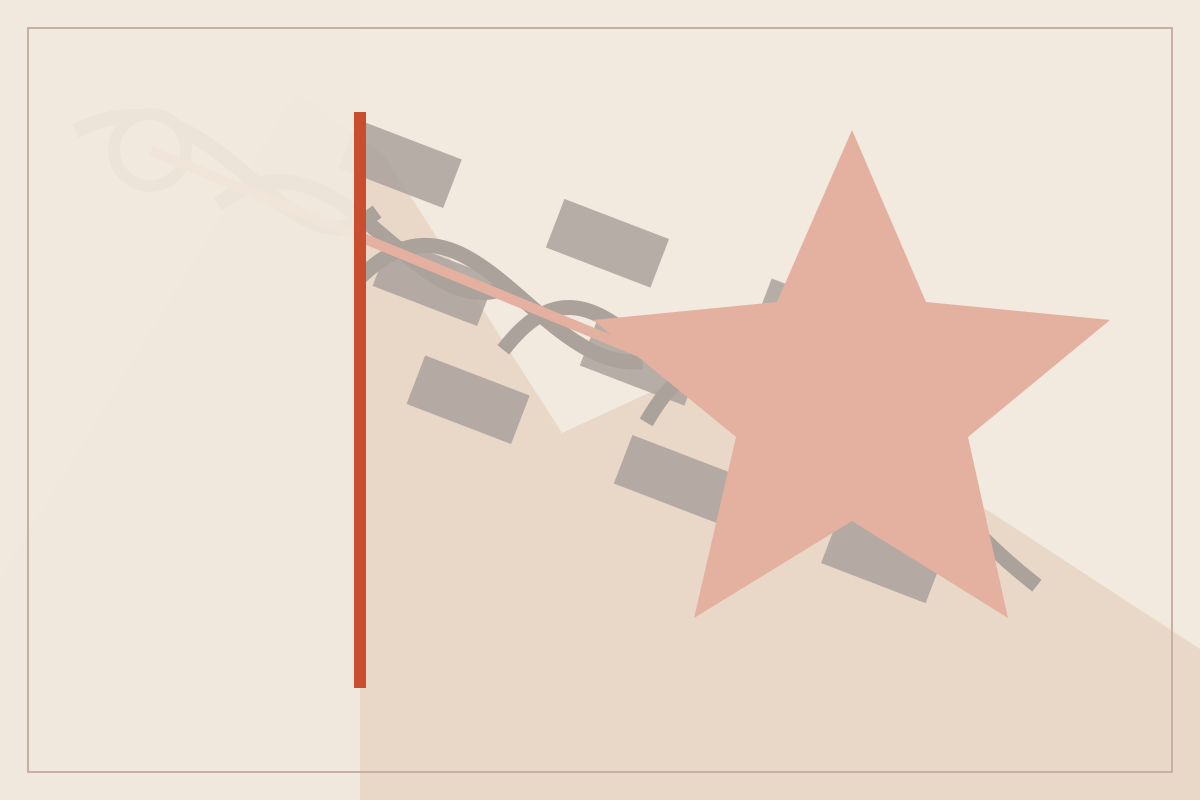
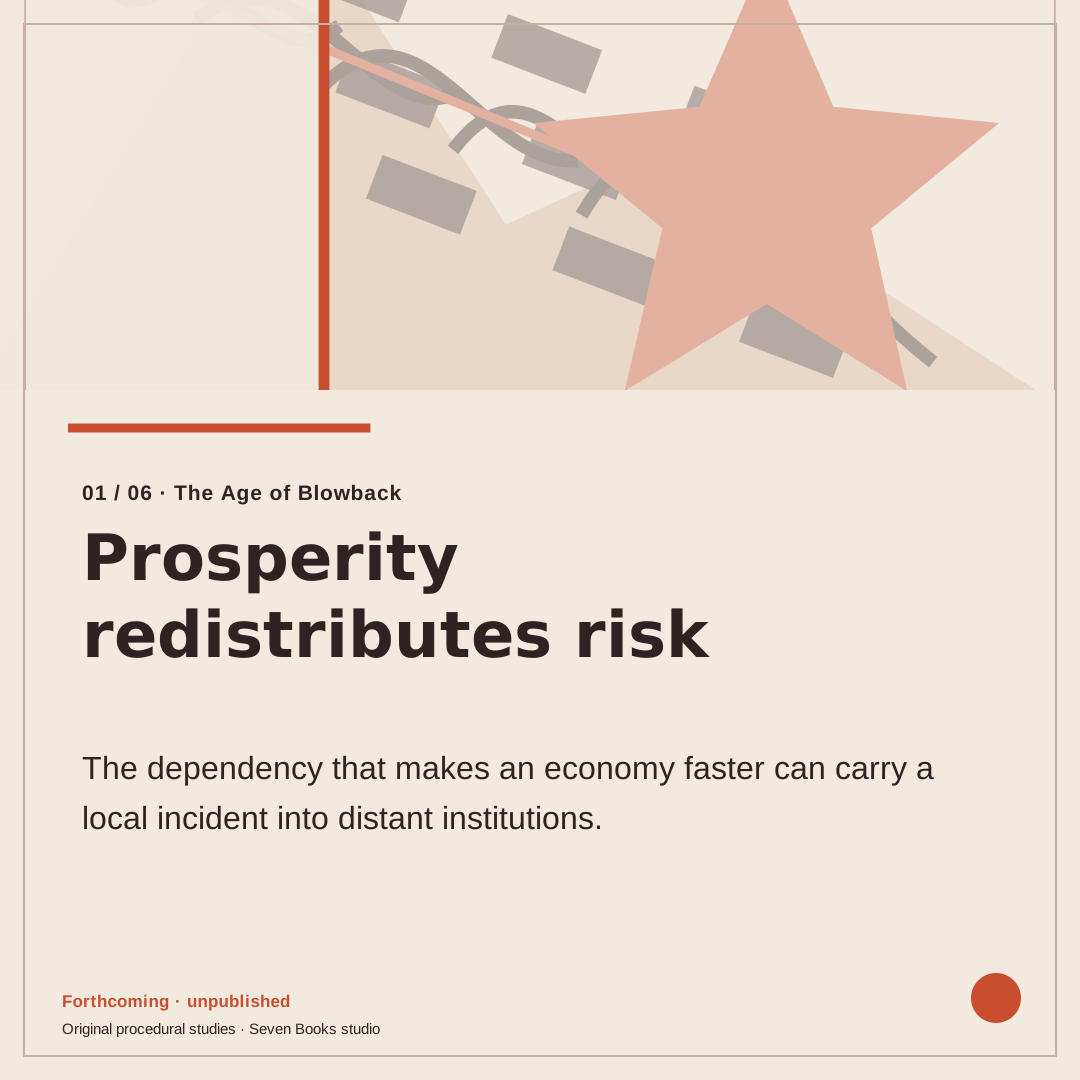
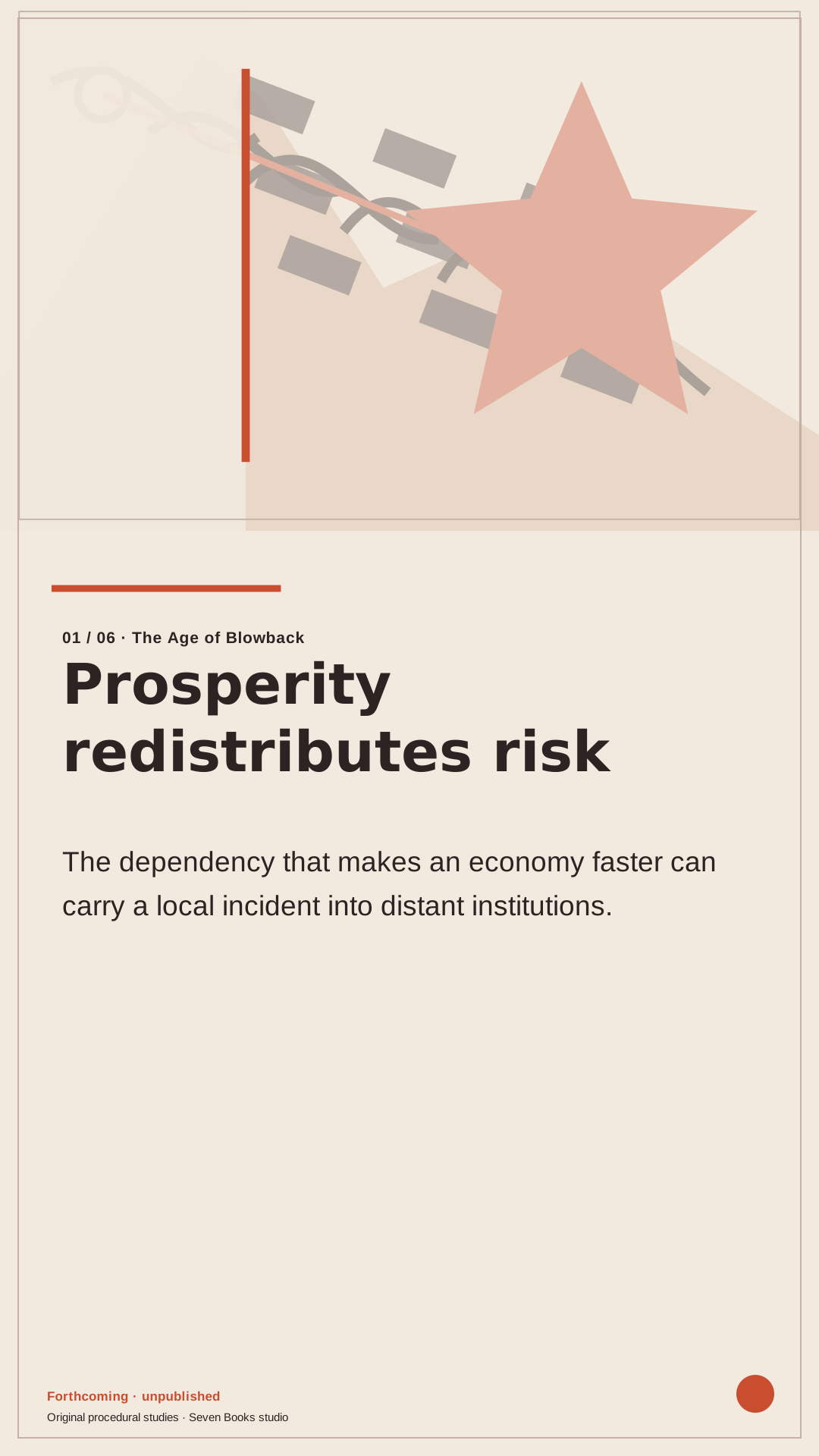
Prosperity redistributes risk
The dependency that makes an economy faster can carry a local incident into distant institutions.
Download SVG study ↓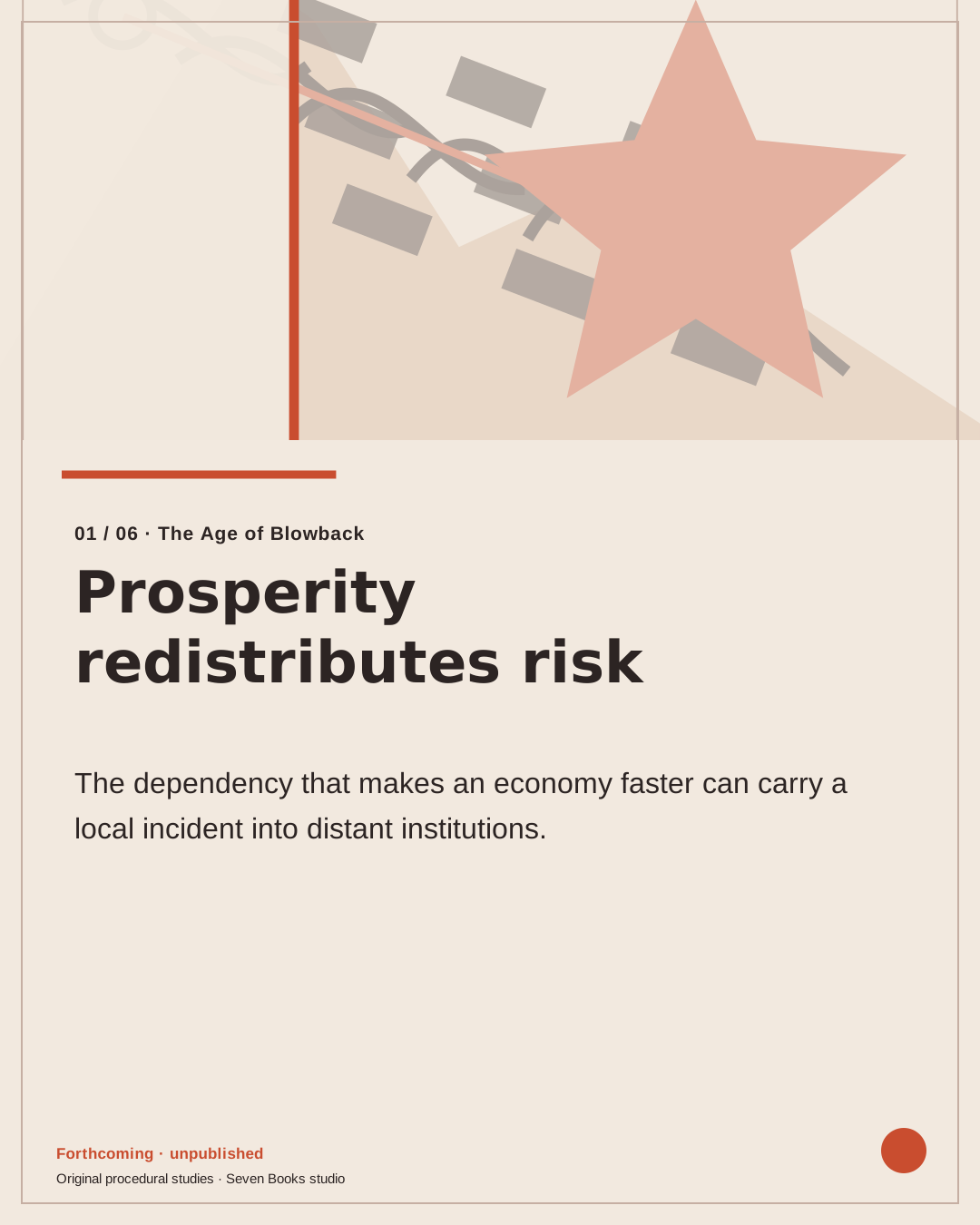
Where does the target end?
When effects cross a global supply chain, who was targeted and who was harmed by the architecture of connection?
Download SVG study ↓
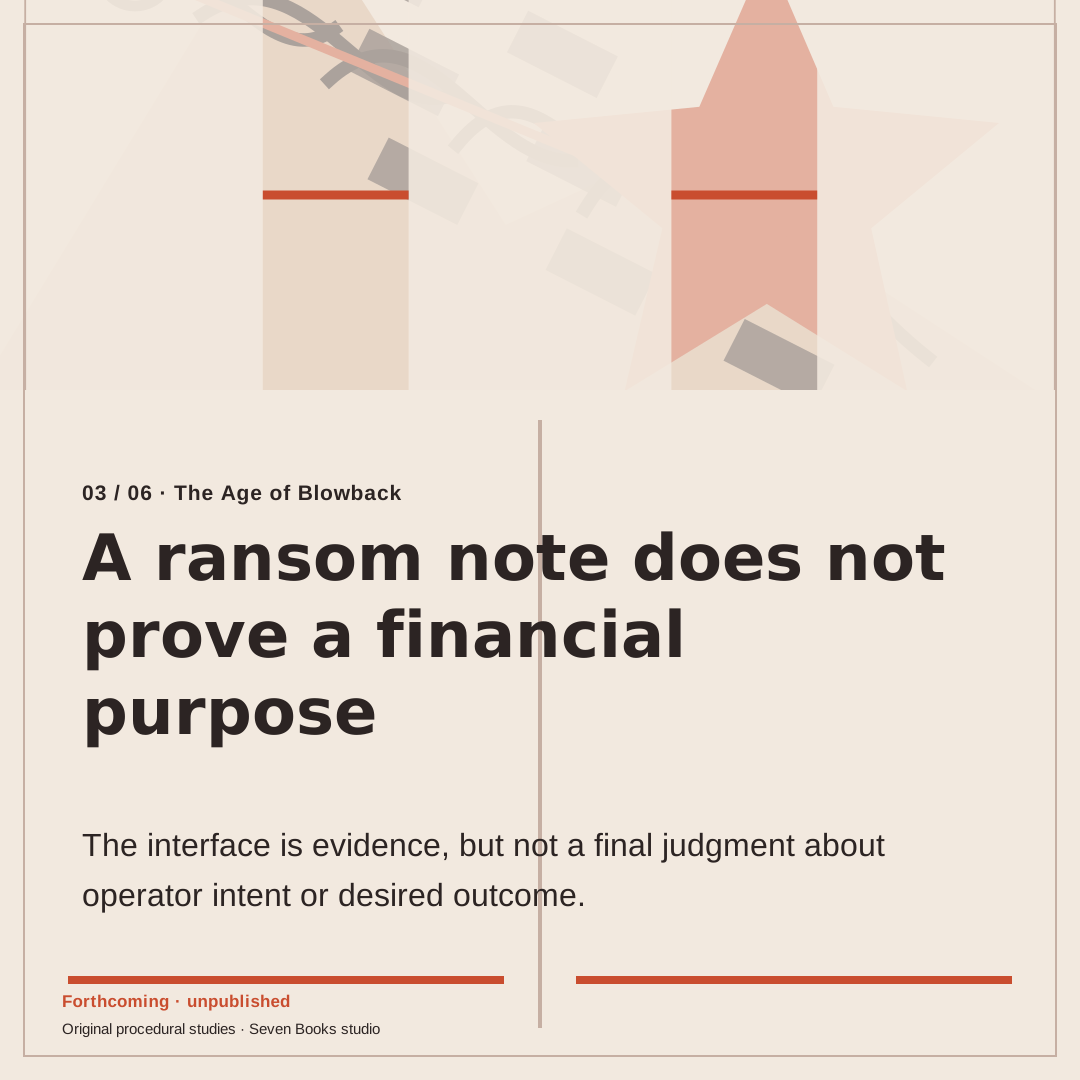
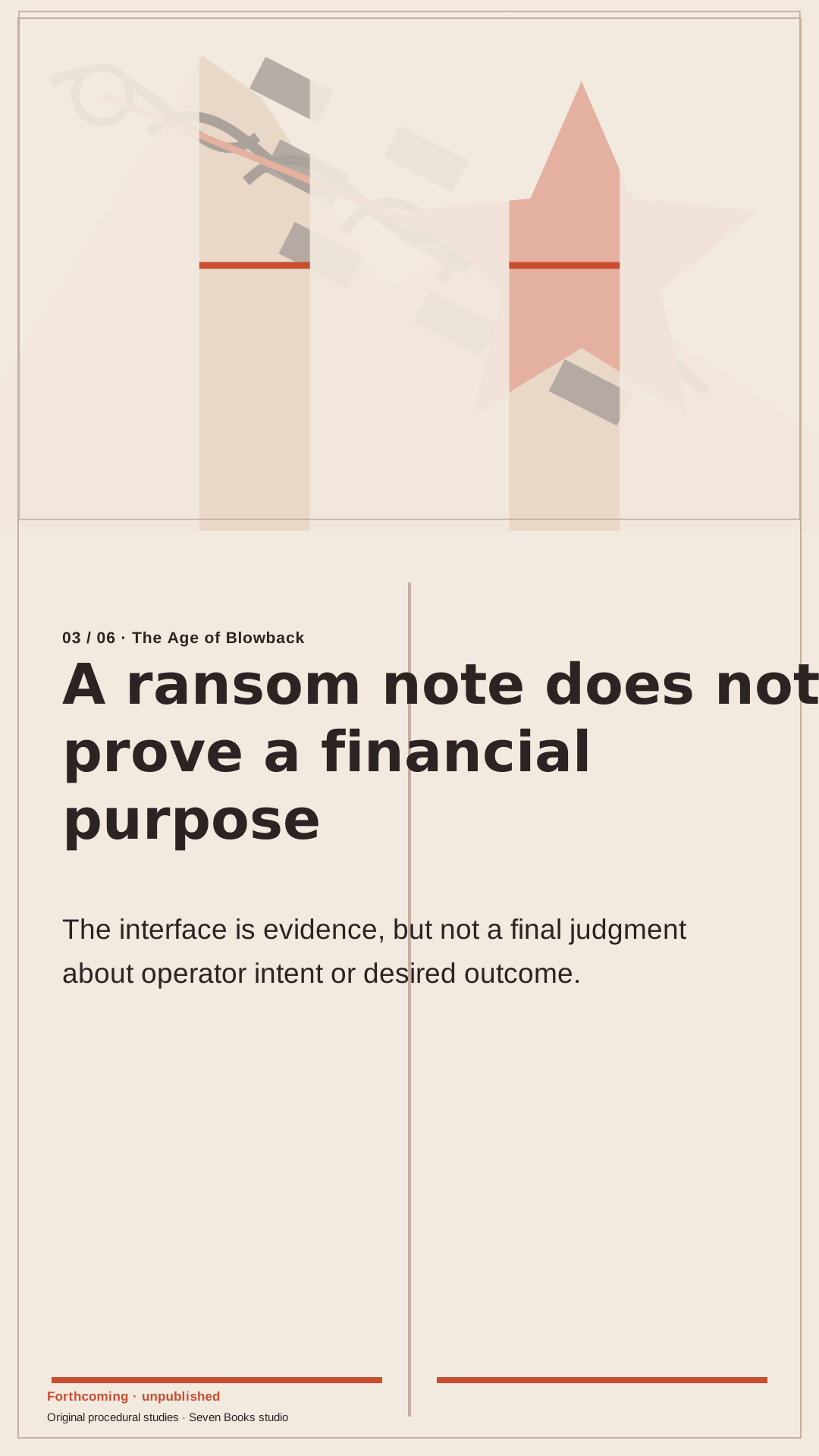
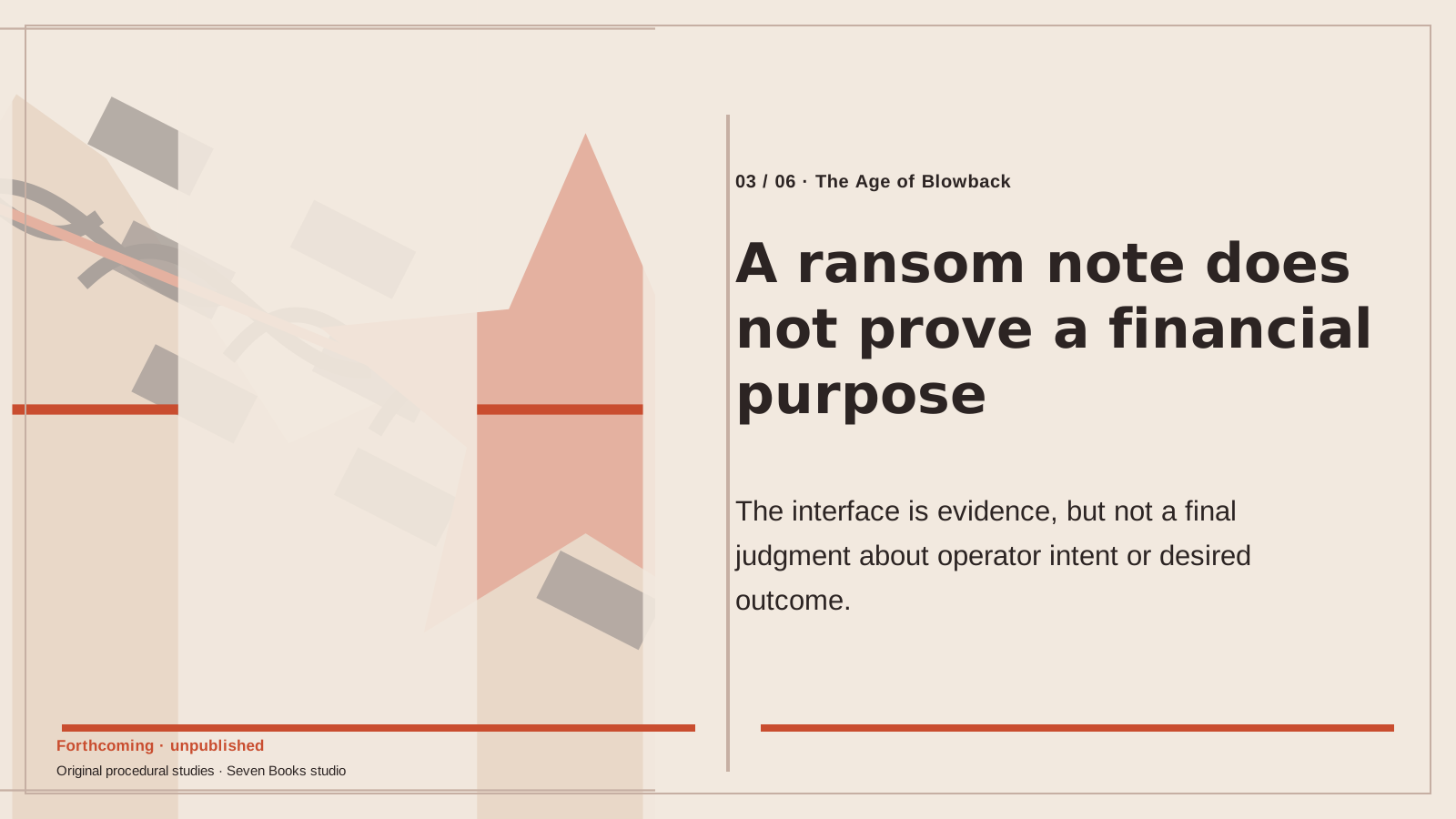
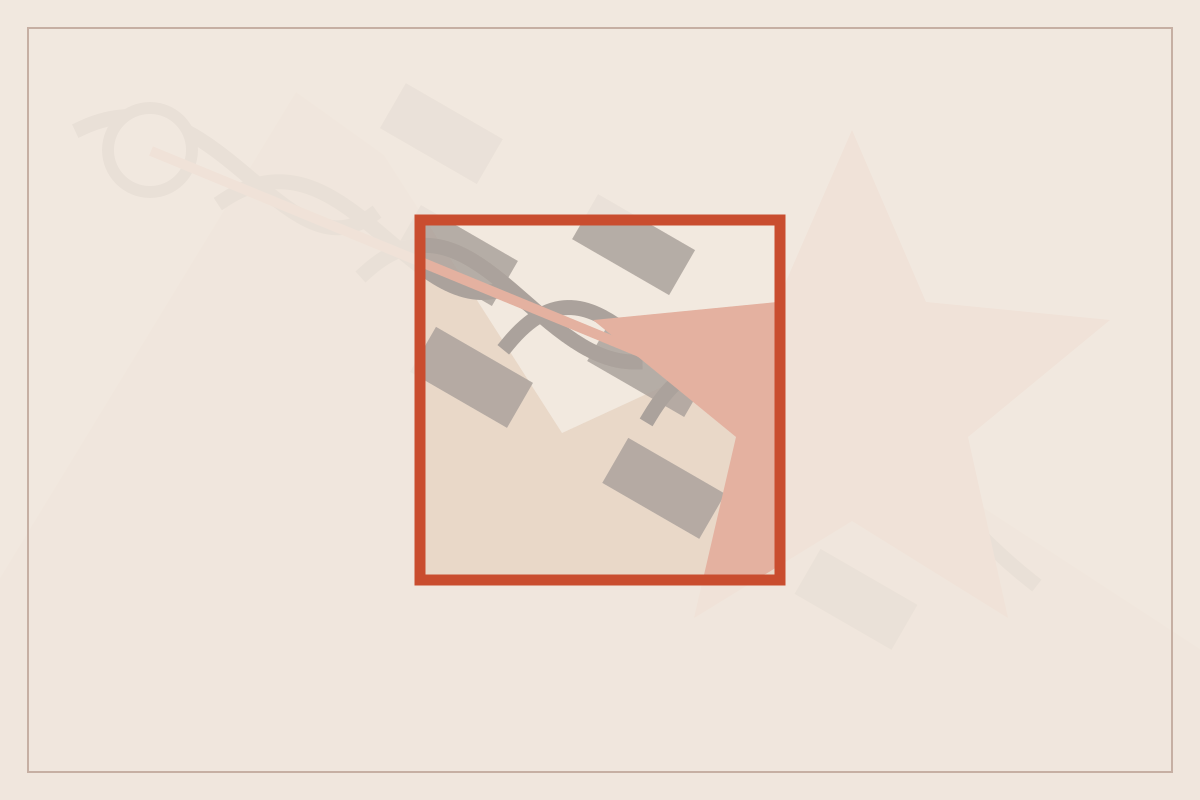
A ransom note does not prove a financial purpose
The interface is evidence, but not a final judgment about operator intent or desired outcome.
Download SVG study ↓
Maersk and the digital material world
Maersk shows that ships and containers can remain present while coordination fails with its digital layer.
Download SVG study ↓
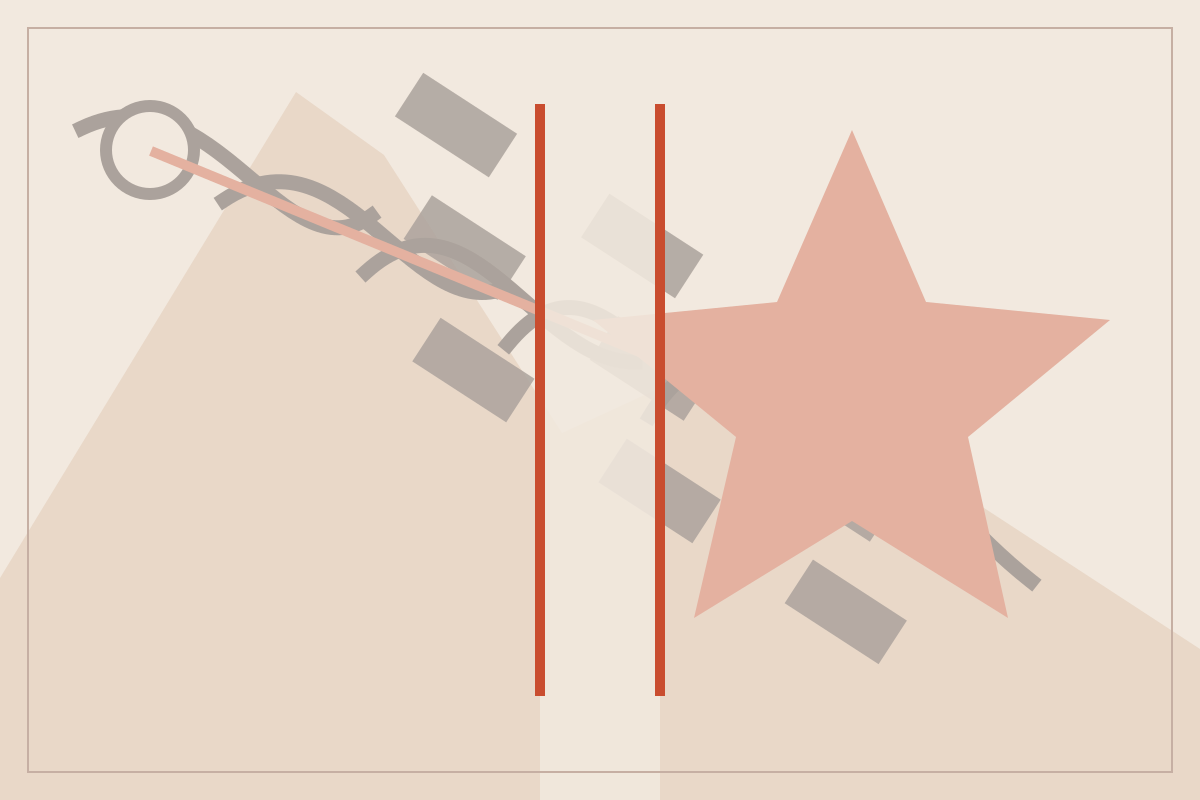
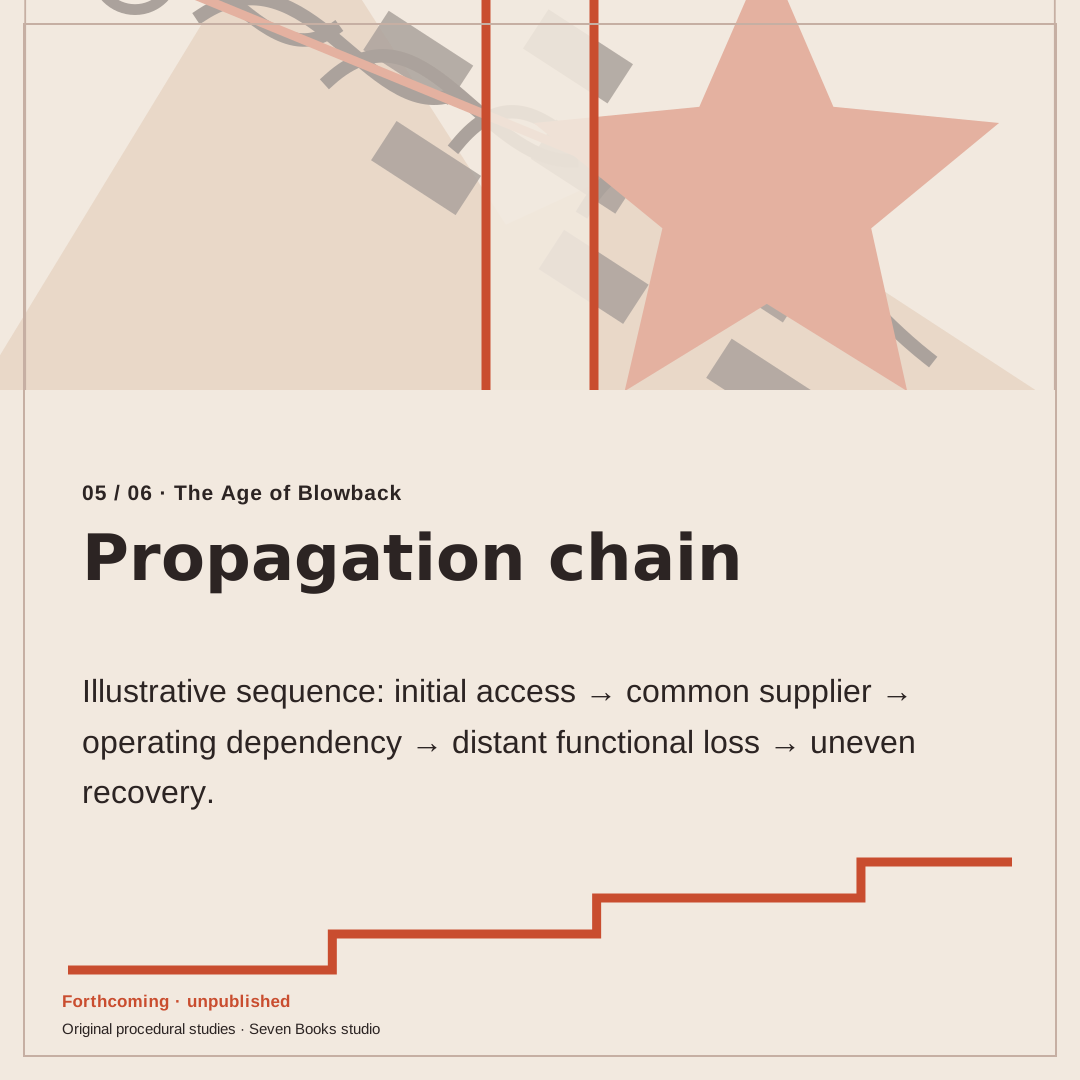
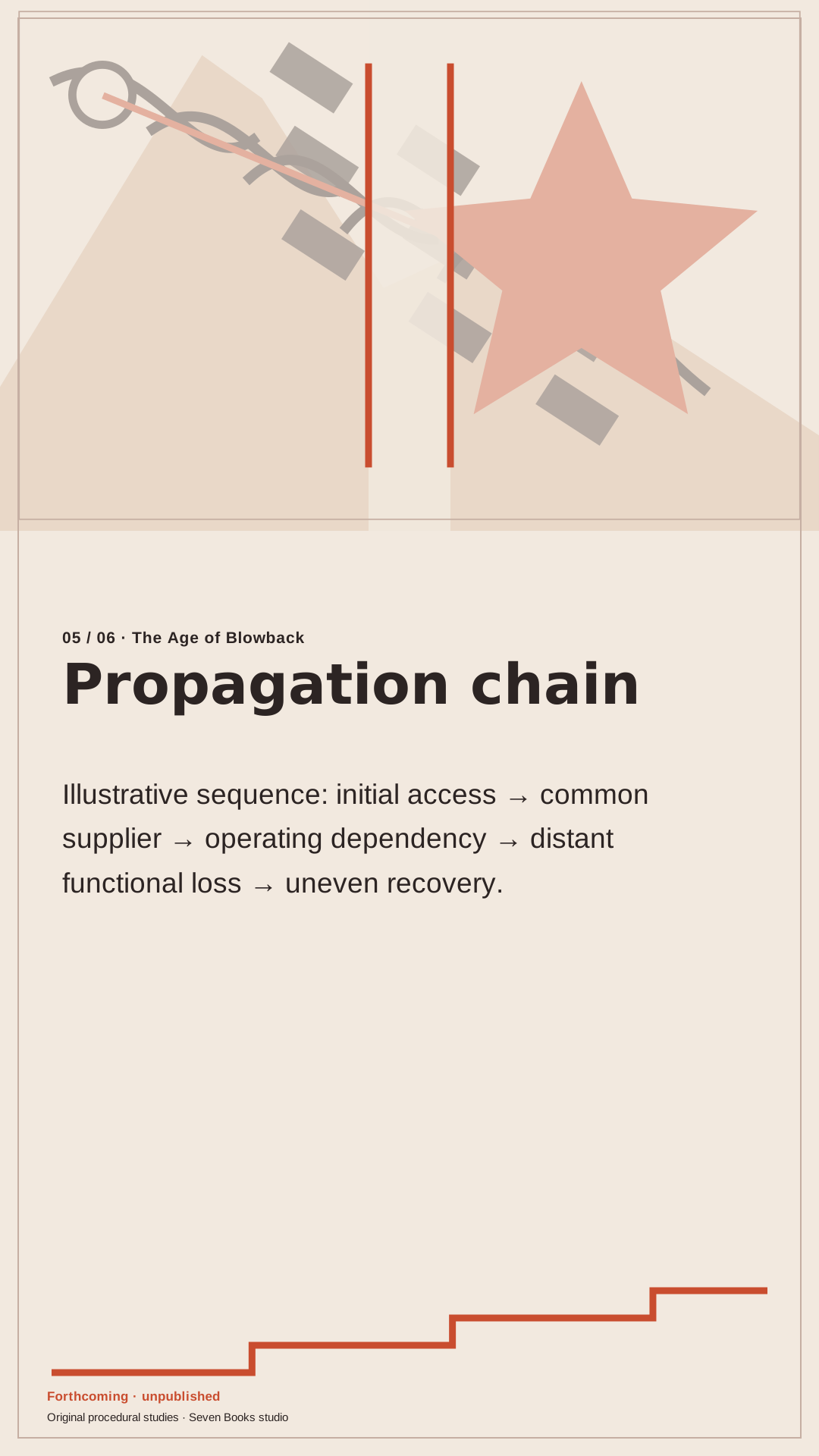
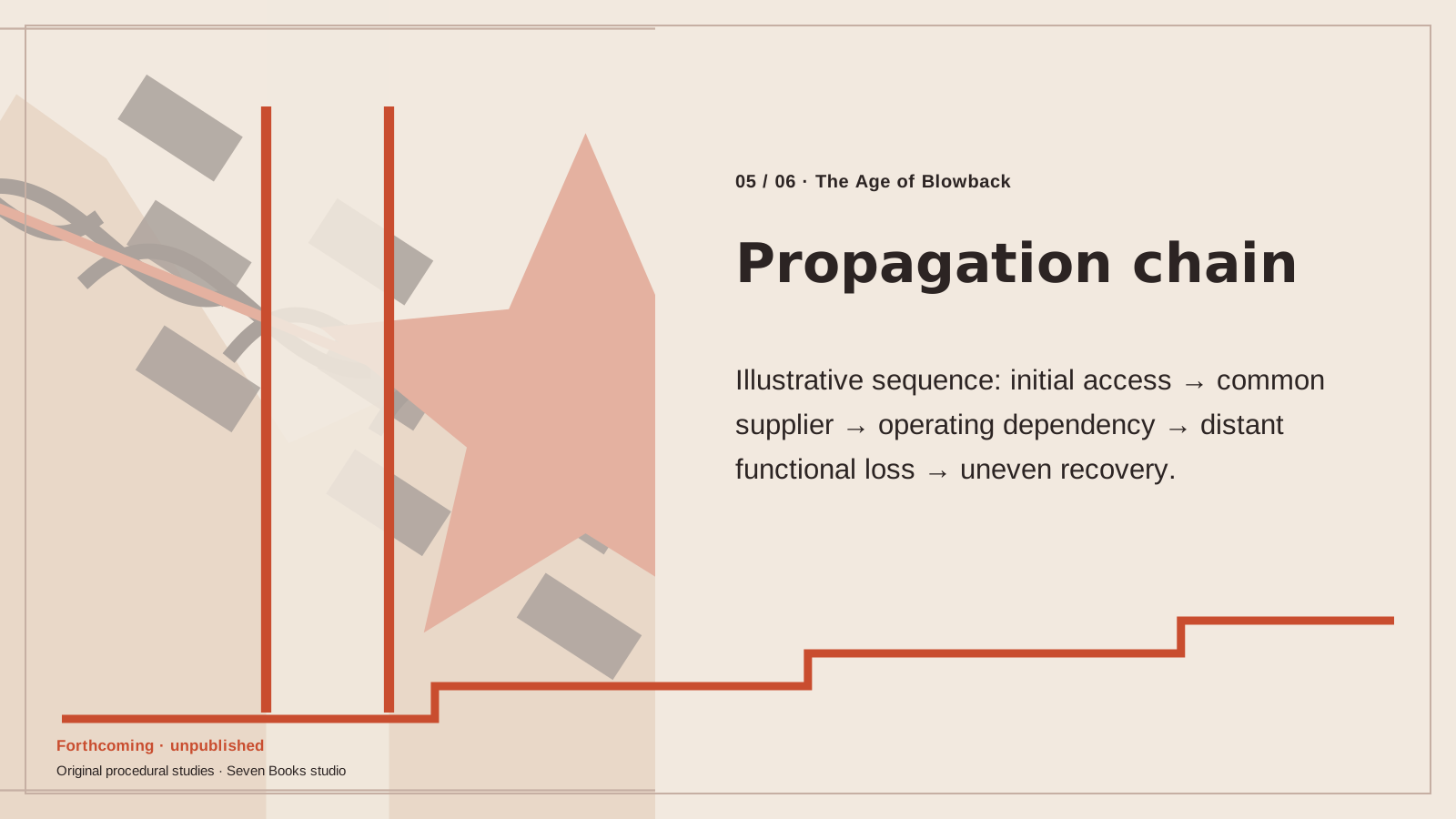
Propagation chain
Illustrative sequence: initial access → common supplier → operating dependency → distant functional loss → uneven recovery.
Download SVG study ↓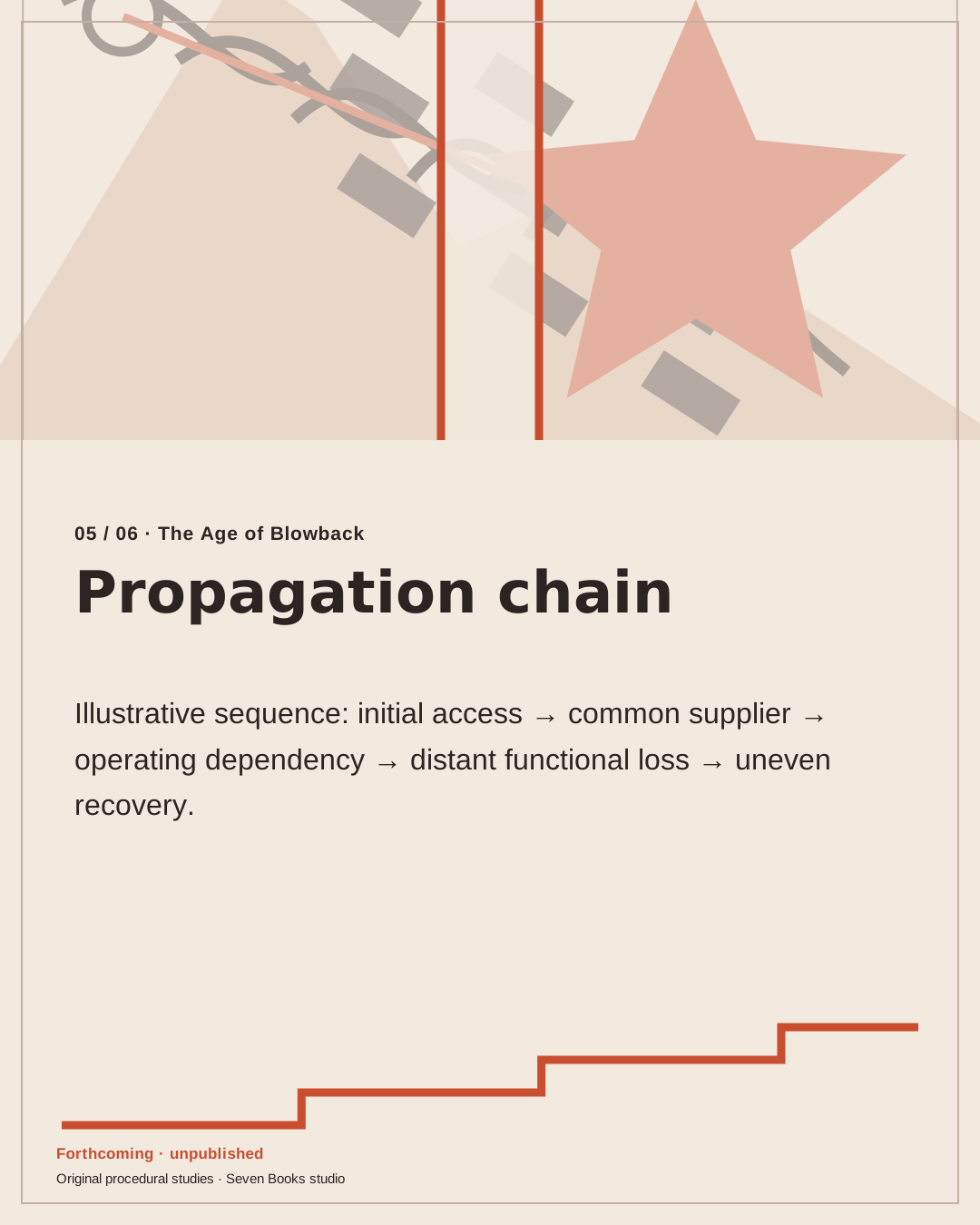
Connection or isolation
The argument is not to dismantle networks, but to identify functions that must not share a single point of failure.
Download SVG study ↓
Original procedural studies · Seven Books studio · Project-original procedural geometry
Continue the question
The Birth of Hidden Power
How did computer networking move from an engineering benefit to a domain of political, intelligence, and market power?
03Beyond the Breach
How can a state or institution remain secure when breaches cannot be ruled out and machines accelerate action while responsibility remains human?
05Hinges of Power
Does power lie in owning a resource, or in moving, stopping, and restoring it while a decision still matters?
JournalSecurity Is a Design Decision
Security becomes credible when access, friction, recovery, and accountability are designed around the harm at stake.
When the work becomes available
Choose the books you want to hear about. A confirmation email verifies your address before any release notice is sent.
Publication notifications are not open yet. No address is collected here.
Privacy and consent ↗